IV Vitamin Therapy, Is it for you?

What is intravenous (IV) therapy?

If you’ve ever been to a hospitalthen you’re probably familiar with the bags that hang from a pole and connect to the arm. IV therapy is a way to deliver fluids and medications directly to the bloodstream through a vein. This method of delivery is especially beneficial for people who cannot take medications by mouthIn addition, IV nutrition is traditionally used to deliver nutrients to patients who are unable to eat or absorb nutrients due to an illness.

Today, however, vitamin infusions are being administered outside of the hospital setting more commonly. From medical spas to hydration rooms to integrative medicine offices, IV vitamins are being seen as a way to infuse “wellness.”

What is IV vitamin therapy?

IV vitamin therapy, also called intravenous micronutrient therapy or hydration therapy is used to deliver high concentrations of vitamins and minerals directly to the bloodstream. This allows faster absorption of vitamins and nutrients by the body’s cells than if delivered through food or oral supplements.

IV Vitamin therapy has recently become a wellness trend, claiming to improve a number of ailments. If you have been thinking of trying it out yourself you are not alone. The amount of people who have received outpatient IV nutrition has grown dramatically over the last few years.

People have used IV’s to help with some of the following:

Cure hangovers

Improve skin complexion

Help with weight loss

Help with chronic pain

Improve fitness performance and recovery

Improve focus

Boost immunity

Boost libido

Boost energy

What’s on an IV vitamin menu?

The concept of IV vitamin therapy is that delivering specially formulated cocktails of nutrients, vitamins, electrolytes, and antioxidants intravenously can help replenish, restore, and detoxify your body more efficiently. These vitamins often contain mixes of such things as vitamin C, B vitamins, glutathione, electrolytes, and saline.

One popular IV item includes Myers’ cocktail. This mixture contains high doses of B vitamins, vitamin C, and minerals such as magnesium and calcium.

The vitamins and minerals in Myers’ Cocktail are beneficial in the following ways:

B vitamins:

Vitamins B1, B2, and Bare associated with energy conversion and healthy skin and hair.

Vitamin B5 is also associated with energy conversion.

Vitamin B6 helps convert tryptophan to serotonin which is associated with sleep, appetite, and mood.

Vitamins B9 and B12 are important for making new cells.

Vitamin C:

Vitamin C, also known as ascorbic acid, is an antioxidant that can boost the immune system and prevent cell damage.

Magnesium and Calcium:

Magnesium and calcium are important for many of the body’s functions including muscle contraction, blood clotting, blood pressure regulation, and the building of bones and teeth.

Does IV vitamin therapy actually work?

Most of the evidence we have is anecdotal, which means that it’s based on people’s personal experiences. There are few studies out there that have tested the effectiveness of IV vitamin therapy. 

One non-blinded outcome study of 43 asthma patients showed that IV nutrient therapy may be beneficial for acute and chronic asthma. A randomized, double-blind, placebo-controlled pilot study of 34 adults with fibromyalgia syndrome (FMS) concluded that most patients had relief from FMS compared to baseline after being treated with IV micronutrient therapy. 

Although IV vitamin therapy can potentially help to improve a variety of health conditions and ailments, more studies really are needed to demonstrate its full efficacy. That’s why it’s important to talk to your doctor before you receive IV vitamin therapy to see if it may be of benefit for you.

If you have any questions about IV vitamin therapy or are curious to know if it might help you, feel free to give our office a call.

Dr. Sergio Guiteau is a physician who has certifications in Aesthetic Medicine and is board certified in Family Practice and Sports Medicine. He specializes in Anti-Aging Medicine and blogs on rhm.sys.mybluehost.me/website_d5adaba3/blog

The Benefits of Fish Oil

Have you been curious about what the benefits of fish oil actually are?

Have you wondered whether or not it’s even worth taking fish oil?

Fish oil is rich in omega-3 fatty acids. This is associated with many bodily functions and preventive health benefits. 

Let’s take a look at what fish oil really even is and what are the benefits of supplementing with fish oil.

What is fish oil and where is it found?

Fish oil is the fat or oil found in the tissue of oily fish like salmon, herring, tuna, anchovies, and mackerel. Mammals such as humans cannot naturally produce the components found in fish oil. Because of this, eating enough fish or taking fish oil supplements can help you obtain an adequate amount of omega-3 fatty acids.

Omega-3 fatty acids are important components of cell structure and also have a key role in fat metabolism. In fact, research is ongoing in trying to better understand the importance of Omega-3 fatty acids in such things as metabolism and healing. 

What are the components of fish oil?

Fish oil contains the omega-3 fatty acids, eicoapentaenoic acid (EPA) and docosahexaenoic acid (DHA), both of which have health benefitsStudies have shown that EPA and DHA are important for proper fetal development, including neuronal, retinal, and immune function. EPA and DHA likely also have positive effects on inflammation, heart health, and cognitive function.

What are the health benefits of fish oil?

Fish oil may be associated with several health benefits, including a decrease in the following:

  • Inflammation
  • Blood pressure
  • Triglyceride levels in the blood
  • LDL (bad) cholesterol

Omega-3 fatty acids may also lead to an increase in HDL (good) cholesterol and improvements in joint pain and stiffness.

What are the side effects of fish oil supplements?

Fish oil supplements generally do not cause any harm if taken as recommended; however, they can cause side effects including a fishy aftertaste, heartburn, nausea, diarrhea, and rash. High doses of fish oil may increase the risk of bleeding. 

What are some possible interactions with fish oil?

Taking fish oil supplements can interact with certain medications.

Taking fish oil supplements with anticoagulants, antiplatelets, herbs, or certain other supplements can increase your risk of bleeding.

Low blood pressure may occur if you take fish oil supplements with blood pressure medications.

Some birth control medications may reduce fish oil’s effect on triglycerides.

Orlistat (Xenical, Alli), a weight loss medication, may actually decrease the absorption of fish oil. Therefore, it’s recommended to take Orlistat and fish oil two hours apart.

Always ask your health care provider if you’re unsure whether or not you take any of these types of medications.

How much fish oil should be taken daily?

The recommended daily consumption of combined EPA and DHA is 250-500 mg. Before you buy fish oil supplements, be sure to look at the label on the bottle to see how much EPA and DHA is provided.

In summary

Fish oil is important for many functions of the body and may be associated with many health benefits. Before you take fish oil supplements, be sure you talk to your doctor about your medications, allergies, health problems, and pregnancy or breastfeeding status. Also, be sure to look at the label on the bottle to determine how much EPA and DHA is provided.

As always, be sure to talk to your health care provider before taking any new supplements.

Dr. Sergio Guiteau is a physician who has certifications in Aesthetic Medicine and is board certified in Family Practice and Sports Medicine. He specializes in Anti-Aging Medicine and blogs on rhm.sys.mybluehost.me/website_d5adaba3/blog

What you should know about PDO thread lifts

Aging is a part of life; there’s no escaping it. As we get older, our skin becomes thin, weak, and saggy. The good news is that we can get a facelift for a more youthful appearance without going under the knife. How? Three words—polydioxanone (PDO) thread lift.

What is a thread lift?

A thread lift is a minimally invasive cosmetic procedure involving dissolvable sutures that help lift the skin of the face and neck to provide firmer, younger-looking skin.

During a thread lift, the cosmetic surgeon stitches up parts of the facial skin rather than using surgery to remove the saggy skin. The threads pull the skin back, giving the face a more tightened and lifted appearance.

What are PDO thread lifts?

PDO threads are a type of suture that are commonly used in thread lift procedures. They differ from the other types of sutures, polylactic acid (PLA) and polycaprolactone (PCA), in that they are made from a dissolvable polyester. In addition, PDO threads are the oldest of the three, having been introduced for use in surgical procedures in the 1980s.

PDO threads are further broken down into three subtypes:

  • PDO mono threads are smooth sutures. These threads help improve the skin by stimulating the production of collagen, the protein responsible for strengthening our skin and giving its elasticity.
  • PDO cog threads consist of barbs that attach to the skin to help lift the face.
  • PDO screw threads consist of two threads that are intertwined and help instill volume into the sunken areas of the facial skin.

In general, PDO threads can be used to lift most areas of the face where signs of aging are typically noticeable, including around the cheeks, jaw, neck, and eyes.

How long can they last?

2019 study found that patients saw an improvement in saggy skin immediately after the procedure. The improvements were noticeable up to one year.

In another 2019 study, a surgeon who’s performed thread lifts for 16 years says that he has seen results last up to 9 years, “depending on the age and health of the patient, the degree of skin laxity, the thickness of the skin, and the adequacy of facial volume.” Younger people with adequate skin volume and thicker facial skin can experience results that last 3 to 4 years. Older people whose skin has lost its elasticity, volume, and tightness may only experience improvements for one to two years.

What are some complications of PDO thread lifts?

You should avoid alcohol and tobacco products for 5 days or longer before your thread lift procedure. We also recommend that you avoid taking certain medications and herbals that may increase your risk for bleeding (ibuprofen, aspirin, fish oil etc.) for at least 5 days before your thread lift procedure.

Complications can include:

  • Sutures that are visible in the skin
  • Pain
  • Bruising
  • Infection
  • Snapping of the threads
  • Hair loss
  • Inflammation
  • Skin dimpling
  • Injury to the salivary gland
  • Blood accumulation

Most of these rare complications can usually be resolved.

What is the process of getting PDO thread lifts like?

The following are the general steps you will experience when getting PDO thread lifts:

  1. While seated in a recliner, your face will be disinfected with alcohol. Local anesthetic will be administered under your skin using a needle.
  2. A small incision will be made with another needle. A cannula will then be inserted into the incision.
  3. The thread will be anchored into place. The cannula will be removed from the incision.
  4. After removal of the cannula,  the thread will then be cut.

The procedure generally takes about 45 minutes, and you can go home shortly afterwards.

What is the recovery and care after a PDO thread lift.

You may develop some swelling and bruising for the first one to two days, but you can resume most of your normal daily activities shortly after the procedure. Try not to rub your face the week after your procedure to prevent a thread from loosening under the skin. In addition, you should not pursue your lips, smoke, or drink through a straw for the first few weeks after the procedure. Avoid sleeping on your side, strenuous activities, or saunas for the first 1 or two weeks.

In summary…

A PDO thread lift is a procedure that can help improve the appearance of aging and saggy skin.

Need a lift? Contact us today!

Dr. Sergio Guiteau is a physician who has certifications in Aesthetic Medicine and is board certified in Family Practice and Sports Medicine. He specializes in Anti-Aging Medicine and blogs on rhm.sys.mybluehost.me/website_d5adaba3/blog

Botox for Wrinkles

Have you thought about Botox for wrinkles?

Are your wrinkles bothering you?

Do you feel as if your wrinkles make you look tired or older?

We get it. Who doesn’t want perfectly smooth and youthful-looking skin?

Unfortunately, wrinkles are a natural part of aging. As we get older, our skin loses its elasticity and becomes drier. This will eventually result in wrinkles around our eyes, forehead, cheeks, and lips. In addition, we also have to deal with other factors that damage our skin over time. These include things like exposure to ultraviolet (UV) light, smoking, and even the normal wear and tear on our skin from repeated facial expressions. Because of this, Botox and other similar neurotoxins are a great way to help prevent and even remove some of these unwanted signs of aging.

What is Botox?

Botulinum toxin, commonly known as Botox, is a potent neurotoxin protein. It is produced from a type of bacterium known as Clostridium botulinum. Today, neurotoxins in the US are available under the brand names Botox, Dysport, and Xeomin. All 3 of these products essentially work to reduce wrinkles using the same mechanism.

How does Botox work?

Botox inhibits the release of acetylcholine at the neuromuscular junction. This means that it blocks certain nerve signals that lead to muscle contraction. Injection of small quantities of botulinum toxin into specific overactive muscles can cause these local muscles to relax. This eventually results in a smoothing out of the overlying skin and eventually a reduction of wrinkles.

What kinds of wrinkles can Botox injections be used for?

Botox can temporarily improve the appearance of:

  • Frown lines between the eyebrows
  • Crow’s feet lines
  • Forehead lines

What can you expect with Botox injections?

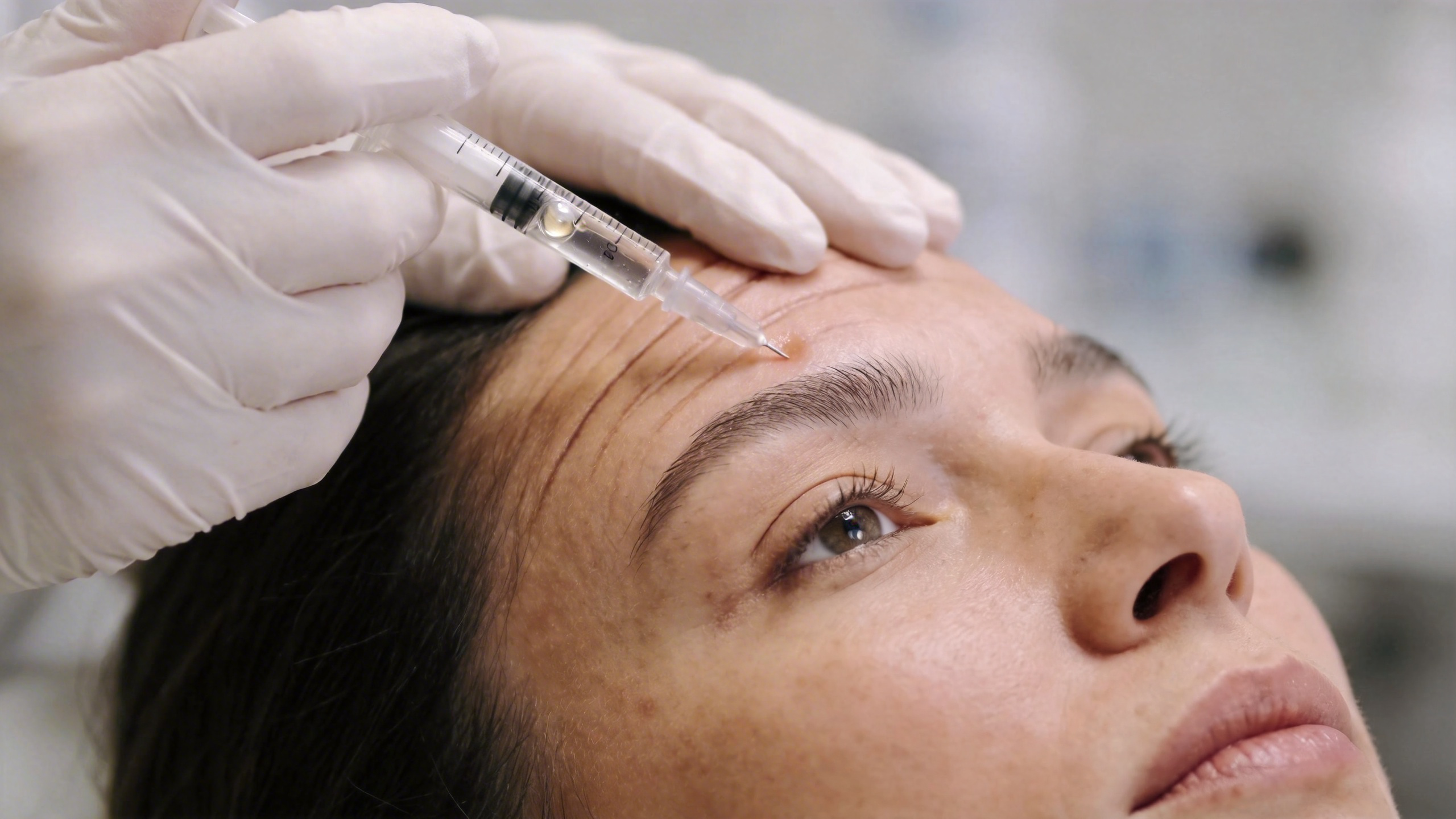
Before you receive your Botox cosmetic injection, your provider may apply a numbing cream to the area of injection. We generally do this as a standard at our office as we like to avoid any discomfort during the procedure. Botox will then be injected into the specific facial muscles that cause age-related wrinkles. You should start to see an improvement in the appearance of your wrinkles and fine lines within a few days. Results are best seen after a period of 10-14 days. The effects of Botox generally tend to last approximately 6 months.

What are the possible side effects of Botox Cosmetic injections?

You should always consult with your medical provider to see how botox may affect you given your particular medical history. However, rare side effects can include, dry mouth, dry eyes, swelling, vision problems, drooping eyebrows, headache, and fatigue. Again, these are all rare complications and should be discussed with your medical provider.

Wrinkles are inevitable. The sooner you start taking control of your wrinkles, the easier it will be to manage the signs of aging.

Call us today to schedule a consultation.

Dr. Sergio Guiteau is a physician who has certifications in Aesthetic Medicine and is board certified in Family Practice and Sports Medicine. He specializes in Anti-Aging Medicine and blogs on rhm.sys.mybluehost.me/website_d5adaba3/blog
Can platelet-rich plasma (PRP) help with pain?

Can platelet-rich plasma (PRP) help with pain?

Absolutely.

Your body is designed to heal itself. When you get sick, your immune system goes into defense mode to kill invading microbes. When you stop smoking, your lungs begin to repair themselves. If you get a cut, your blood clots in order to stop the bleeding.  These are all processes that involve the body’s natural immunity and regeneration.

Platelet-rich plasma (PRP) injections attempt to utilize many of these same protective and regenerative pathways to help heal damaged tissue. This can in turn help with your pain.

Let’s break it down even further.

What is platelet-rich plasma (PRP)?

Your blood is mostly a liquid known as plasma. It is also made up of red blood cells, white blood cells, and platelets. Platelets are responsible for clotting blood, slowing, and eventually stopping bleeding. In addition to helping with clotting, platelets also stimulate growth factors that support regeneration or healing.

Platelet-rich plasma is just what the name suggests—plasma enriched with at least 5-10 times more platelets than what is normally present in the blood.

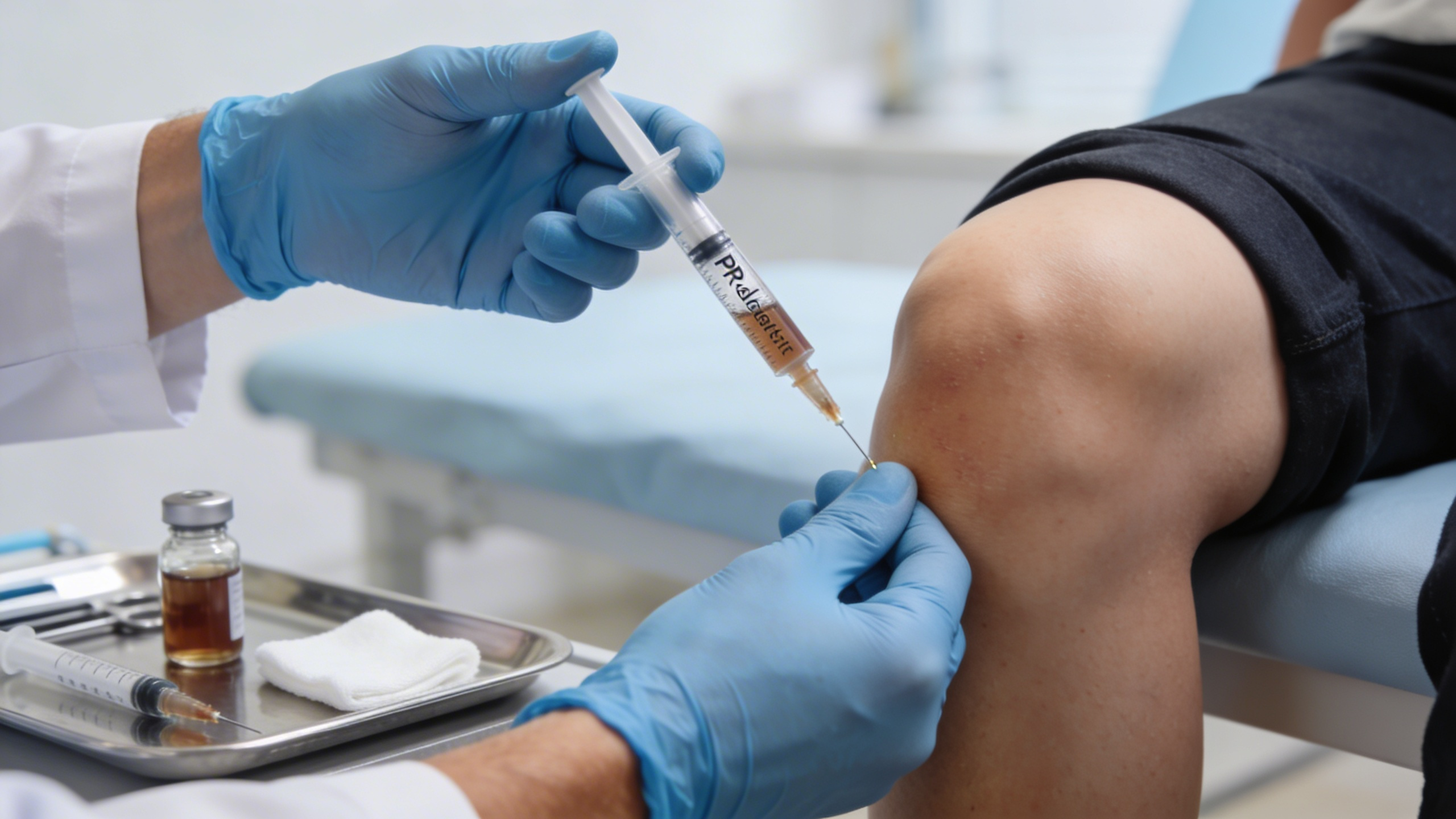
In order for platelet-rich plasma to help with pain, it is usually injected at the site of injury. To prepare PRP injections, a blood sample is taken from you and placed into a centrifuge. The centrifuge is used to concentrate the platelets and separate them from other blood cells. The concentrated platelets are then re-injected directly into the injured site or tissue, such as a tendon or knee. Oftentimes, we will use advanced imaging like ultrasound to guide the injection where it needs to go.

How does PRP work?

While we are not 100% certain how PRP exactly works, we are fairly certain that the increased concentration of platelets in the PRP help to stimulate growth factors. These growth factors then activate and accelerate the healing process. By injecting PRP into an area that is injured, we are counting on the body’s own growth factors to stimulate and regenerate damaged or lost tissue.

What exactly are PRP injections used for?

PRP therapy has been used to treat a variety of musculoskeletal conditions from chronic arthritis to ligament or tendon strains. If you’ve ever had an injury or debilitating condition then you know that it can certainly take a while to heal. PRP injections can help boost the healing process with less pain and with a quicker return to normal activities.

Do PRP injections work?

Research supports the use of PRP for sports-related injuries such as those that can occur to the tendons and ligaments. PRP may also help with arthritis but further research is needed to classify which types of arthritis PRP is most effective at treating. As with any newer treatments, further studies are still needed to help us better understand things like how much, how often, and at what concentration PRP injections are most effective for different musculoskeletal conditions.

What are the side effects of PRP injections?

When performed properly, PRP injections generally do not pose severe side effects. Because PRP injections are made from your own plasma, there is very minimal chance that you’ll have an allergic reaction. Like many injections, you may have a sore arm or bruise at the site of the injection. Also, like with any injection, there is always the risk of infection at the injection site.

PRP injections can certainly help with your pain and are relatively safe when done correctly. Make sure you consult with a physician who is knowledgeable in providing these injections to ensure that you get the best outcome.

Dr. Sergio Guiteau is a physician who has certifications in Aesthetic Medicine and is board certified in Family Practice and Sports Medicine. He specializes in Anti-Aging Medicine and blogs on rhm.sys.mybluehost.me/website_d5adaba3/blog
Don’t Sweat It, Get Botox!

Can’t stop sweating through your shirt? Is sweat dripping off your palms in the middle of winter? You may be suffering from a condition known as hyperhidrosis.

What Is Hyperhidrosis?

Hyperhidrosis is defined as abnormally excessive sweating that’s not necessarily due to heat or exertion.

Sweating is your body’s natural way of cooling itself down. When you get hot, your nervous system activates your sweat glands, causing you to perspire. Sweating is normal and can also occur when you experience anxiety or stress. Hyperhidrosis occurs when the nerves responsible for stimulating your sweat glands become overactive, even though they haven’t been triggered by exertion or a hot environment.

Types of Hyperhidrosis

There are two types of hyperhidrosis, primary and secondary.

Primary hyperhidrosis causes excessive sweating for no apparent reason and can be worsened by stress or nervousness. This type usually affects your palms, soles, and face.

Secondary hyperhidrosis occurs when excess sweating is related to an underlying cause or medical condition such as cancer, diabetes, menopause, thyroid problems, infections, heart attack, or nervous system disorders. Certain medications can also cause secondary hyperhidrosis. This type is more likely to cause sweating all over your entire body.

Excessive sweating is the pits! It can lead to negative social and emotional effects. No one wants to have clammy hands or pit stains ALL the time! So, what can be done?

What Are My Options for Excessive Sweating? 

Hyperhidrosis can be embarrassing, but don’t sweat it! Talk to your doctor about your concerns.  There are several options out there that can help you combat excessive sweating such as prescription deodorants, topical or oral nerve-blocking medications, and neurotoxin injections such as Botox.

Botox? How Can Botox Injections Help Treat My Excessive Sweating? 

Botox? Wait, isn’t that for wrinkles? Yes! However, Botox is also used to temporarily block the nerves that stimulate your sweat glands. When Botox is injected directly into the area of the body that excessively sweats, those overactive nerves become paralyzed. When your nerves are paralyzed, they can’t activate your sweat glands; therefore, you don’t sweat.

Where Is Botox Injected? 

Botox is injected into the skin to treat the symptoms of severe sweating when medicines used on the skin (topical) do not work well enough.

The thoughts of getting an injection may have you sweating! But don’t sweat it! Here’s what you can expect with a Botox injection.

How Can I Prepare for Botox Injections?

Make sure you tell your doctor about any medical conditions you may have, including any muscle or nerve conditions. In addition, be sure to tell your doctor about any medications you are taking, including prescription and over-the-counter medications, vitamins, and supplements. You may need to stop taking certain medications prior to your injections; however, don’t stop taking any medications unless your doctor tells you to.

What Can I Expect When Getting Botox Injections?

Botox injections don’t take long and can be administered and completed during a single office visit. In our office, we apply an anesthetic to your skin to help numb the area. The Botox is injected just below the skin’s surface using a fine needle. Each affected area of your body requires several injections.

What Can I Expect After Treatment?

You can return to your normal activities immediately after receiving your Botox injections. It generally takes two to seven days before you stop sweating in the treated area. It may take two weeks before you see the full effects. The effects of the injection are temporary and they last at least four months but sometimes over a year until the treatment needs to be repeated.

What are the Side Effects of Botox?

Most people tolerate Botox injections well. Possible side effects include pain or bruising at the injection site and flu-like symptoms. As with any injection into the skin, there is always a very low risk of bleeding, infection, or scarring.

Your Life May Be a Puddle, But It Doesn’t Have to Be.

Hyperhidrosis is unpleasant and can be embarrassing. We get it. But don’t be ashamed to talk to your doctor or someone experienced with treating this condition. Our office is always available to help you and can determine what treatment may be best for you.

Dr. Sergio Guiteau is a physician who has certifications in Aesthetic Medicine and is board certified in Family Practice and Sports Medicine. He specializes in Anti-Aging Medicine and blogs on rhm.sys.mybluehost.me/website_d5adaba3/blog

How to best treat arthritis knee pain

Millions of Americans suffer from knee pain secondary to arthritis. Knowing your options for how to best treat arthritis knee pain is key in helping to alleviate your pain and to prevent it from coming back.

Arthritis, also known as osteoarthritis (OA), is the degeneration of cartilage that helps our joints glide smoothly against each other. This cartilage can break down from trauma, autoimmune conditions, or wear and tear over time. The effects of this degeneration are what lead to the pain and sometimes swelling that we see in osteoarthritis.

So what are your best options for treating knee arthritis?

There are many options for treating knee OA that range from conservative to more invasive. Generally, most medical practitioners will start with the most conservative options and will get more aggressive with treating your OA pain as each successive option works less and less.

For this review, we will start with the least invasive options and continue on to more invasive options as we move forward.

 1) Heat/Cold Therapy:

We have all used ice and or heat for one injury or another. The use of temperature to treat pain has been around for thousands of years. For those suffering from knee pain secondary to arthritis, this method is often overlooked. Studies have shown that using ice and/or heat can certainly relieve pain due to OA in the short term. If your pain is secondary to an acute flare-up, heat/cold therapy may be all you need.

There haven’t been any robust studies demonstrating how much and how often you can apply heat or ice to treat OA pain. When it comes to ice however the general rule of thumb is 30 minutes on and 30 minutes off. I would advise using a barrier material to prevent damage to your skin from the direct use of ice.

In regards to heat, there really is no limit as to how often you can use it. If it feels better with heat then you can use it liberally. If it doesn’t then you can stop using it. Just be sure not to leave a heating pad on overnight or while you are sleeping to prevent burn injuries.

2) Exercise:

Many studies have shown the benefits of exercise in helping to treat arthritis knee pain. The type of exercise and the duration will vary by individual. Whether it be physical therapy, leg strengthening, tai chi, or even swimming, the benefits of exercise cannot be ignored. Most people report some level of pain relief and improvement in function in the short term. Many studies show that if these exercises were part of a regular routine they would also result in an improvement in pain and function over the long term.

Not every modality of exercise will be beneficial to everyone. The type and duration of exercise must be tailored for you. What I recommend is that patients start by seeing a physical therapist or begin some low-impact activity (i.e. swimming, yoga, tai chi). As you progress through these activities for the first few weeks, keep in mind what works and what doesn’t. You should be able to complete the activity virtually pain-free. You also shouldn’t have any worsening in pain after the activity is completed.

By combining physical activity and a healthy diet, the hope is that you are not only making the muscles in your lower legs stronger but also losing any excess weight. Both leg strengthening and weight loss through exercise have been shown to contribute to pain relief from knee arthritis.

3) Knee Brace:

A knee brace is another often overlooked option for those suffering from knee pain secondary to arthritis. Specifically, the unloader knee brace has been clinically proven to decrease pain and increase functional mobility. They work by alleviating pressure in the area of your knee that has a loss in joint space from cartilage degeneration. They can be used daily to provide added support for your knee while also providing pain relief.

The unloader knee brace is custom-fitted to your type of arthritis and it may not be for everyone. Before getting one you should have imaging of your knee performed and speak to your doctor to know which type of unloader brace may be right for you. While some people complain of skin irritation from contact with the brace there are very few adverse effects from using an unloader knee brace.

4) Electrical Nerve Stimulation:

Transcutaneous electrical nerve stimulation (TENS) has been used to treat pain since the 1970s. While the evidence for its effectiveness in helping to treat arthritis knee pain has been mixed, it may still be worth trying. TENS works through a portable battery-operated device that delivers an electrical stimulation through the skin. This stimulation alters the sensation of pain that you notice at the central nervous system. The most serious side effects include local skin irritation, muscle soreness, and in very rare instances burn. You should always consult with your physician and ensure that you are using the proper machine settings before using a TENS apparatus.

 5) Acupuncture:

Evidence has been mixed to negative in regards to the effect of acupuncture in helping to treat arthritis knee pain. While acupuncture has been used for hundreds of years, there have been few scientific studies showing objective improvement in function with acupuncture. That being said, many people do experience a subjective improvement in pain. Before you decide to try acupuncture it’s important to make sure that the acupuncturist you use is certified to perform the procedure. They should also be using sterile equipment and technique to prevent infection. Acupuncture is commonly used in combination with the other modalities listed. If you are interested in learning more or even trying acupuncture contact our office for more information.

7) Topical Pain Medications:

There is strong evidence showing that topical medications can treat arthritis knee pain. In particular, topical Capsaicin or Menthol-based rubs (i.e. Bengay or Tigerbalm), as well as topical prescription anti-inflammatories (ie. Voltaren/Diclofenac gel), have been shown to improve knee pain. Capsaicin works as a counterirritant by directly causing a burning sensation at the skin. This modifies and can reduce the sensation of pain in the central nervous system when it is applied to a painful area.

Topical prescription antiinflammatories directly inhibit the pain signal locally. Because of the local effect of both of these topical medications, there is a low risk of systemic side effects. These options can be quite effective and their benefit can be enhanced when used with the other modalities discussed.

8) Supplements:

There are many supplement options for those with knee arthritis. Before trying any of these you should first understand that many of them may not work as well as you expect them too. Also, before starting any supplement you should always consult with your doctor.

Reviewing every supplement that has been used for knee arthritis would be beyond the scope of this article. However, a few supplements that have shown mixed to positive results include Fish-oil, Curcumin, Boswellia serrata extract, Glucosamine chondroitin, and Collagen hydrosylate. If you have any questions about which supplements might be right for you please contact our office.

9) Oral Pain Medications:

When it comes to oral pain medications for treating knee arthritis most doctors will prescribe either acetaminophen (Tylenol), non-steroidal antiinflammatories (i.e. Motrin, Aleve), or opioids (i.e. Oxycodone, Hydrocodone). All of these medications work by dulling signals along the neural pain pathway.

Studies have shown non-steroidal antiinflammatories (NSAIDS) to be most effective at treating arthritis pain. Acetaminophen is another great option as well. While studies show they may be inferior to NSAIDS, many patients who do not get relief from NSAIDS or cannot tolerate them, may find pain relief from acetaminophen.

Opioids are less commonly used for knee arthritis because of the high risk of addiction and the multitude of side effects. Your doctor may be more likely to use this as a short-term solution in the event that you will be having surgery. For those suffering from severe knee arthritis who may not be candidates for surgery, opioids may be a reasonable although less ideal option.

Before taking any of these medications it is important to speak with your doctor about the side effects. You also need to be honest about your medical history and medication/supplement use.

10) Corticosteroid Injections:

Steroid injections for knee pain can be an excellent option for those seeking short-term pain relief. Studies show that intra-articular steroids can provide improvement in pain and function for up to six weeks if not longer. When combined with other modalities, especially exercise, they can maximize pain relief and function.

These injections are only temporary and repeat injections have been shown to not be as effective. Multiple injections over time have been shown to actually increase joint degeneration and thus are not recommended.

Side effects from these injections can include worsening pain, bleeding, infection, localized skin irritation and in some instances skin discoloration. Make sure your provider is knowledgeable in how to perform this injection correctly to maximize the benefit you get from this procedure.

11) Hyaluronic Acid Injections:

Hyaluronic acid is a viscous polysaccharide found in connective tissue. Since the late 1990’s the FDA has approved Hyaluronic acid injections (more commonly known as gel injections or viscosupplementation) for the treatment of knee osteoarthritis. As of today, there are at least a dozen formulations on the market. While we aren’t 100% sure how they help with pain control, it is believed that they function by helping with joint viscosity. While more recent evidence has been mixed, evidence has shown that there is some improvement in both pain and function.

Your insurance will likely cover these injections and there is a very low risk of side effects when these injections are performed properly. Some uncommon side effects do however include increased pain, localized skin irritation, and infection. Make sure your provider is knowledgeable about how to perform these injections correctly to maximize the benefit you get from this procedure.

12) PRP injections:

Platelet-rich plasma (PRP) has traditionally been used for muscle and tendon injuries. More recent studies have shown some effectiveness in its ability to treat arthritis knee pain. PRP has been used for over 20 years and involves collecting your own blood and then separating out your body’s growth factors. This high concentration of growth factor can then be introduced into your knee joint. The theory behind this is that your joint will use these growth factors to begin the process of repairing some of the damaged cartilage. This may in turn help decrease your pain.

PRP has received FDA clearance but because of regulatory statutes it  has not been labeled as FDA approved. Because PRP is not a drug and involves a person’s own blood product, it is not clearly subject to FDA approval. However, the devices used to collect and harvest PRP should be FDA-approved. No studies have shown a reversal in joint arthritis with PRP use. That being said, studies have shown an improvement in pain over time. Generally, the more severe your arthritis the less effective PRP injections may work. As of this writing, insurance does not cover these injections. Therefore, it’s important that you choose a provider with experience in performing them so that you can maximize their benefit.

 13) Stem Cell injections:

The use of adult-derived stem cells to treat joint arthritis is part of a growing area of research. The FDA has not approved using your own adult stem cells or foreign stem cells for OA at this time. Any stem cell injection into your knee for OA is considered off-label and as of this writing is experimental.

The theory behind this injection is that once in your joint, these cells will communicate with your native tissue to begin the process of repairing the damaged cartilage that was lost. The regeneration of knee joint cartilage has only been seen in a few studies as it pertains to knee arthritis. However, studies do suggest that stem cells may alleviate arthritis pain. They may also alleviate your pain for a longer period of time than PRP or corticosteroid injections.

Despite the fact that early research has been promising, more high-quality studies need to be done to confirm whether or not stem cells improve cartilage degeneration from knee arthritis. Like PRP, stem cell injections are also not covered by your insurance. Side effects include increased pain, swelling, infection, and in rare instances tumor formation which has been seen when stem cells are injected into other parts of the body. If you are considering stem cell injections, finding a provider with expertise in both the harvesting and injection of stem cells will help to maximize your benefit and limit side effects from this procedure.

14) Surgery:

When all of the above options for knee arthritis have been exhausted then it is time to talk to an orthopedic surgeon about surgical options. Generally, the options for knee arthritis involve either knee replacement or some form of knee resurfacing. Debridement of the knee joint, where worn cartilage is either shaved down or removed, has for the most part fallen out of favor. However, It may still be an option for a very select group of patients.

If you find that you have tried all of your non-surgical options, then speaking to a surgeon who you trust may be the best option to help reduce your pain. I recommend seeing someone who both specializes in joint replacements and who has experience in replacement of knee joints in particular. For questions regarding surgeons we recommend here in Florida please contact our office.

Dr. Sergio Guiteau is a physician who has certifications in Aesthetic Medicine and is board certified in Family Practice and Sports Medicine. He specializes in Anti-Aging Medicine and blogs on rhm.sys.mybluehost.me/website_d5adaba3/blog

Keto Diet – The Good and The Bad

Are you looking to lose weight? Have you heard about the benefits of the keto diet? Have you seen friends or family lose several pounds in just a few weeks from eating “keto”?

The keto (ketogenic) diet does work and it may be just what you need to overcome your stubborn weight loss and jumpstart your path to a healthier lifestyle. However, keto diets are very specific and the bad can easily outweigh the good.

What is the keto diet and how does it work?

Our bodies extract energy from 3 main macronutrients – carbohydrates, proteins, and fats. However, the main source of energy in a standard American Diet is from carbohydrates like pasta, sugar, rice, and potatoes.

A ketogenic diet involves limiting carbohydrates and utilizing foods that are high in fat as the main source of energy.

We’re not 100% sure how the keto diet causes weight loss. What we do know is that switching to a diet high in fats and proteins probably means that you will feel more full with each meal. The more you feel full the less you eat. The less you eat, the more your body needs to break down fat in order to fuel your body. The more fat you break down, the more weight you will lose.

Eating less and losing weight while feeling full can be a huge win for those who have struggled to lose weight with conventional diet and exercise. While the keto diet does come with some great benefits however, it also has its drawbacks.

Keto – The Good.

Weight loss:

The Office for Disease Prevention and Health Promotion recommends that our diet consist of approximately 50% carbohydrate, 30% protein, and 20% fat. Our bodies will naturally convert any excess carbohydrate into fat or glycogen for energy storage.

The standard keto diet requires that your diet consist of 10% carbohydrate, 30% protein, and 60% fat. This shift in macronutrients is the driving force behind why we lose weight.

By converting from a less filling carbohydrate based diet to a more filling fat based diet, we are now directing our bodies to utilize the fat in our food for fuel. Because we are feeling full and eating less, we are also depleting our reserves of fat and glycogen for energy.

While there are other factors involved in the process of weight loss such as hormone regulation and loss in water weight, we find that people who adhere to a keto diet tend to lose more weight and keep the weight off for a longer period of time. In fact studies show that diets low in carbohydrates, like the keto diet, lead to a greater weight loss than low fat diets.

Healthier Eating:

One of the benefits of switching to a Keto diet is eating healthier – somewhat. While a keto diet can improve the quality of foods that we ingest, some people can actually do more harm to themselves by eating the wrong fats. More on that a little later.

People who are overweight tend to prefer foods that are highly processed such as simple sugars and refined/processed carbohydrates. This usually leads to weight gain from excessive eating. Switching to a keto diet eliminates many of these foods. As an alternative, the keto diet stresses more filing and often healthier foods such as seafood, poultry, certain nuts, grains, avocados, and cheese. These foods also tend to be higher in certain vitamins, minerals, omega 3 fatty acids, and antioxidants.

Carbohydrates, and especially refined/processed carbohydrates, typically do not not have high amounts of these nutrients.

Keto – The Bad.

Low Energy:

Our bodies prefer carbohydrates and there is a good reason for that. Carbohydrates can be converted into sugars to give us an immediate release of energy. They can also be easily converted into glycogen and stored in the liver and muscles for later use. This glycogen can also be easily broken back down into sugar when needed for energy. This is why marathon runners will typically load up on carbohydrates the night before a race.

Two things happen when we eliminate carbohydrates and switch to a fat based diet. First, we remove our bodies ability to utilize sugar and second we remove our ability to produce glycogen. Activities that require sustained energy now become more difficult. You may also feel a period of low energy for a few days or weeks as your body transitions to using fat for energy instead of glycogen. This sensation is often termed the “keto flu”.

If you have any underlying medical conditions such as low thyroid, low blood pressure, or low cortisol levels, this may compound the problem of low energy for you.

Always consult with your doctor if you have any medical conditions before transitioning to a keto diet.

Nutrient deficiencies:

Eliminating any macronutrient food groups will also result in a decrease in certain micronutrients (vitamin’s and minerals). Specifically, keto diets may provide suboptimal levels of calcium, vitamin D, phosphorus, zinc, and magnesium. These are essential nutrients that our bodies depend on for bone health and a variety of metabolic functions.

This can be a problem for those who have trouble with nutrient absorption. These include such conditions as metabolic disorders, gastrointestinal disorders, as well as pancreas or liver abnormalities.

It’s important to consult with your doctor and/or nutritionist and to consider multivitamins supplementation before starting a keto diet.

Dirty Keto:

The term dirty keto involves eating high fat nutrient poor foods instead of high fat and nutrient rich options. For example, a good keto option might include grilled chicken or farm raised, grass-fed beef. A dirty keto meal would include fried chicken or processed bacon.

Nutrient poor foods generally tend to be high in saturated fats, and tans-fats. While saturated and trans fats improve the taste of food, they also increase your bad cholesterol (LDL). This can result in heart disease and stroke and may actually cause weight gain when eaten in excess.

When switching to a keto diet It’s important to prioritize foods with high quality fats. This will help prevent long term health complications and support a healthy weight loss.

Bone Health:

We spoke earlier about how the keto diet can lead to a decrease in calcium, zinc, magnesium, phosphorus and vitamin D. All of these are important for bone formation and fortification. While several studies have shown that the keto diet does not affect bone health, some new data may suggest otherwise.

Any significant decrease in calcium, magnesium, zinc and vitamin D will effect the integrity of bone structure. Not supplementing adequately with these vitamins or minerals may put you at risk of compromising your bone integrity. This risk may be even greater for those who already have underlying issues with bone structure such as the morbidly obese, diabetics, and the elderly.

Because few long term studies have been done, we don’t yet know just how the keto diet will affect long term bone health. As stated earlier, just to be safe, it’s important to supplement with at least a multivitamin while on a keto diet.

Adherence:

One of the biggest issues with the keto diet, or any diet for that fact, is how difficult it is to maintain given the food restrictions. The average American gets at least 50% of their calories from carbohydrates. Drastically cutting that number down to almost single digits while on the keto diet can be quite challenging.

In addition, many foods which may not seem to be carb free might be loaded with carbs for flavoring, texture, or food preservation. For instance, the grilled chicken we spoke about earlier is an excellent keto option. However, if you layer it with certain spices or condiments you may be adding carbohydrates that are turning your keto meal into a non-keto meal.

Eating even small amounts of hidden carbs can easily throw you out of ketosis and stifle the weight loss you desire.

While it’s not impossible, sticking to a keto diet and maintaining a state of constant ketosis can be a challenge without proper research and discipline.

Conclusion

The keto diet may be a good option for many people. For instance, if you are relatively healthy and need to loose some weight in a short period of time, then limiting your caloric intake using the keto diet might help. Also, if you are relatively healthy and want to motivate yourself to start loosing weight, then the keto diet might also be a good option.

Outside of these 2 categories you may want to consider other weight loss options.

The keto diet significantly alters your metabolism. By going into a state of ketosis you’re shifting key components of your body’s metabolic activity. While your body may certainly be able to do this without any adverse consequences, there’s no long term studies that have been done to prove this.

Most healthy people may not need carbohydrates to function. There is however a reason why we have evolved with the ability to digest and store carbs. Carbohydrates are an important energy source. Eliminating them to lose weight while possible is not necessary and may not be practical. The time you put into living a life filled with healthy keto meals might be better spent just eating a healthier well rounded diet.

Eating a well rounded diet that includes all macronutrients while limiting your overall caloric intake is still the healthiest way for most people to lose weight.

Dr. Sergio Guiteau is a physician who has certifications in Aesthetic Medicine and is board certified in Family Practice and Sports Medicine. He specializes in Anti-Aging Medicine and blogs on rhm.sys.mybluehost.me/website_d5adaba3/blog

Treating Professional Athletes – A Physicians Do’s and Dont’s

I’ve been very fortunate throughout my medical career to be able to work with some of the premier athletes of our time. Treating these professional athletes has been an amazing experience.

The people who compete at the highest levels of their sport are among the most driven and focused individuals I have come across. Unlike the average patient, professional athletes are proactive when it comes to their health. They also tend to be more knowledgeable about their health than their doctors.

However, treating professional athletes isn’t always easy and it comes with its fair share of drawbacks. Being able to navigate the tightrope between doing what’s best for a professional athlete while also helping them perform while sick or injured can be tough. Things can get even more difficult when you factor in agents, team management, media, advertisers, friends, family, and the millions of dollars that can oftentimes be at stake.

Despite this difficulty I have learned a few things along the way that have helped me immensely.

Do

Give VIP treatment:

The same is true when it comes to professional athletes. Because of the nature of who they are and what they do, they will expect better accommodations. While this doesn’t mean sacrificing the care of other patients, it will mean sacrificing your time and energy for their accommodations. I regularly miss meals and work off-hours to accommodate my patients who are professional athletes. While I certainly can’t do this for every patient, when it comes to professional athletes it’s sometimes a necessity. Your ability to treat them in a timely fashion can make a difference of millions of dollars for the organizations they play for, the people those organizations employ, and the athlete themselves. If you’re not able to make decisions or treat them when they need to be treated, they will quickly find someone else who can.

Work with their expectations:

Many athletes want to play and they want to play despite injuries. As a physician, my job is to help them return to the court or field quickly and in the safest way possible. To do this you have to be 100% honest with what your expectations are versus what their expectations are. If an athlete wants to play next week and it isn’t possible, their expectations have to be re-oriented to what’s safe. We’ve all seen stories of athletes who returned too soon and compromised their long term careers. Professional athletes are highly competitive individuals and many want to play at all costs. Working with their expectations can be difficult. Learning how to do it in a way that maximizes a working relationship with them is key.

Keep the lines of communication open:

When you’re treating a professional athlete you’re not just working with the player but oftentimes you’re also working with family, close friends, the agent, the team, other team doctors, and trainers. Navigating through the myriad of opinions and expectations can be tough. There are times when the athlete wants to play but the agent disagrees. Other times the athlete doesn’t want to play and the team disagrees. Or sometimes the athlete wants to play and the team wants him/her to play but the family disagrees. Recognizing everyone’s concerns and viewpoints while doing what’s best for the athlete can be a challenge. Being available for the athlete and his/her immediate circle will help mitigate this challenge.

I personally ensure that the athlete and the people who they allow to have access to their medical information, have a direct line of communication to me whether it be via phone or email. Being available for questions or medical advice goes a long way towards gaining their trust. It  will also hopefully help foster a positive working relationship.

Respect boundaries:

There is nothing wrong with being friendly with your patients, whether they be athletes or otherwise. However, it’s usually not a good idea to treat your professional relationship with them as an out of office friendship. This can lead to situations where patients may try to take advantage of your working relationship because of your friendship. I’ve seen situations where physicians who develop a friendship with patients begin receiving personal calls or requests. This includes things like signatures for medical exemption forms, controlled substances, or other medications that may not be indicated. Keeping the relationship with the athlete professional can help continue to ensure that you’re objectively looking out for their best interest without them having to expect anything in return.

Go above and beyond:

Professional athletes are used to dedicating themselves 100% to their craft. Many of them rarely have days off and it’s not uncommon for them to expect the same from the people they work with. As a physician, it ‘s expected that you go above and beyond for patients who are professional athletes. Treating them can sometimes mean staying late, getting to the office or training room early, answering calls off-hour, or sacrificing your time for theirs. The ability to go above and beyond for their care is part of what keeps them performing at an elite level. While it may often go unrecognized, their success is in many ways directly tied to your ability to be there when they need care.

Know your athlete:

Every athlete approaches their medical care and physical conditioning differently. Some athletes prefer to be in the training room constantly for exercises, rehab, stretching, massages, etc. Others prefer a more hands-off approach and will rarely seek out help unless it’s needed. I have some athletes who reach out to me almost weekly for advice on health, nutrition, exercises, training regimens, etc. Others are comfortable doing their own research and probably take everything I say with a grain of salt. Knowing what an athlete needs to perform his or her best is key when it comes to tailoring how you deliver their care. To maximize their recovery and performance it’s important to provide and communicate their care in a way that they can relate to so that they can best utilize your care to their advantage.

Don’t

Treat them like a celebrity:

Asking a professional athlete for autographs, selfies, or other perks/favors is probably the quickest way to never work with them again. When a player comes to you for help, the last thing he/she wants is for you to ask them for something in return. A trusting relationship means treating them like a patient and not as a celebrity. Many of them are already bombarded daily with requests for interviews, autographs, photos, or the like. In order to build trust with that individual they first have to feel comfortable around you. I have personally seen employees get fired on the spot for asking for these things. As a physician, asking a professional athlete for something can easily hamper the relationship and their ability to trust in your advice and medical recommendations.

Be the team’s physician:

While your job may be the team’s physician you don’t want to be seen as the physician that works for the team. Your primary responsibility is to care for the athlete to the best of your ability while doing no harm. The wants and needs of the team and those who operate the business of the team come secondary. Most professional athletes understand the business of the sport that they play. They are hypersensitive to decisions that are made from people they see as “from the team”. If you are in any way perceived as making a decision that is in the best interest of the team instead of the athlete, you will lose that athlete’s trust as well as the trust of other members of the team.

Violate HIPAA:

This one should be a no brainer. However, you would be surprised how easy it can be to violate HIPAA laws in a professional athletic setting. HIPAA privacy laws regulate the disclosure of patient health information. Under these laws disclosing patient health information without their consent can be a federal offense. A professional athletes health is constantly being evaluated by media, opposing teams, family, friends, trainers, etc. Because of this, violating HIPAA can easily be just an inadvertent slip of the tongue away.

I once had a player from another team ask me what I thought about my patient’s rolled ankle. Divulging any details without explicit consent from the athlete himself would have been a clear violation of HIPAA privacy laws. I always make it a habit to ask the athlete who they would like me to disclose medical information with. I also always try to have them present when I am discussing their personal health information with others.

Talk in absolutes:

Professional athletes LOVE absolutes. I wish I had a dollar for every time I heard questions like, when will I be back? Or how long until I get better? Or when can I go back to practice? The reality is that doctors aren’t fortune tellers. All we can do is estimate outcomes based on our medical knowledge and experience. I never tell an athlete when something will happen. Instead, I let them know when something is likely to happen. A lot of athletes hate it, but they will hate it even more if I give them an absolute timetable and it doesn’t happen the way I guaranteed.

I’ve seen many cases where athletes are considering surgery in the offseason. They’re then told that if they get the surgery they can be back by the start of the next season. If they are still in rehab when the season starts the athlete is now stuck wondering why their recovery is taking so long. Now they’re unhappy and their trust in you might be in question. I never talk in absolutes. It avoids a lot of headache and disappointment down the road.

Be easily offended:

Working in the world of professional sports means dealing with some pretty intense situations. At this level of athletic care you’re working with highly competitive individuals. They’re often under immense pressure to perform on a stage where millions of dollars are involved. Tensions can run high and frustrations can run even higher. Having thick skin is a necessity to work in this environment whether you’re a team physician or in any way involved in the world of professional sports. Most of the scenarios we see are not life or death decisions. However, careers and livelihoods are often at stake not just for the professional athlete but for their family/friends, as well as team management, trainers, and staff. Being able to function in this environment will mean not taking things personally and focusing on positive outcomes instead of the setbacks that will eventually happen.

Eat before the players:

I’ll let NBA Hall of Famer Paul Pierce explain this one. In short just don’t do it

https://www.thescore.com/nba/news/1090936

Dr. Sergio Guiteau is a physician who has certifications in Aesthetic Medicine and is board certified in Family Practice and Sports Medicine. He specializes in Anti-Aging Medicine and blogs on rhm.sys.mybluehost.me/website_d5adaba3/blog

Emotional Support Animal Letter – Can I get one?

If you have a psychiatric disability, having an emotional support animal can really be an asset. Emotional support animals can provide excellent companionship to help you cope with such things as anxiety, depression, OCD, acute stress, or other psychiatric disorders.

Unfortunately, living or traveling with your emotional support animal can be a challenge when “no pet policies” or “extra pet fees” are involved. In these situations, getting a letter for your pet from your health care professional can be quite helpful.

However, there are a few things you should know before getting an emotional support animal letter.

Where can I get an emotional support animal letter?

To obtain a letter to accommodate your emotional support animal, you will need documentation from a physician or licensed mental health provider. There are some websites that will put you in contact with a medical provider for a fee. Here at our office we also provide evaluations for emotional support animal letters. Be aware that every medical provider will likely have their own process for providing emotional support animal letters. Some medical providers do not provide these letters at all for liability concerns.

What qualifies an animal to be an emotional support animal?

The Dept of Housing and Urban Development which oversees housing discrimination requires that landlords consider 2 questions when evaluating the legitimacy of emotional support animals.

1. Does the person seeking to use and live with the animal have a physical or psychiatric disability?
2. Does the person making the request have a “disability-related need” for an emotional support animal?

Generally, emotional support animals help provide comfort and alleviate an owner’s disability.

Where can I use an emotional support animal letter?

As of this writing, emotional support animal letters can be used by those with a disability who are looking to move into pet restricted housing. Letters can also be used to waive pet fees for housing and airline flights if the emotional support animal is considered a necessity as per Federal Fair Housing Amendment (FHAA) and Air Carrier Access Act (ACAA) guidelines.

Who can get an emotional support animal letter?

Anyone with an ongoing medical or psychiatric disability can obtain an emotional support animal letter. However, the animal must be therapeutic to that person’s disability. In order to qualify for a letter, you must meet with an appropriate healthcare professional who can certify your need for an emotional support animal.

How often will I need to get a certification letter for an emotional support animal?

There are no regulations regarding how often you will need to obtain a letter for your emotional support animal. This will depend on how often your medical provider certifies your letter or how often your landlord or the airline requires one. Generally, most landlords and airlines will want a fairly recent letter.

What animals qualify as an emotional support animal?

There is no governing body or regulating entity that certifies what type of animal may be an emotional support animal. Wild or exotic animals that may cause disease or injury to other individuals can be excluded. Aggressive animals or those that may cause property damage can also be excluded. The type of animal allowed is generally up to the discretion of the landlord or airline. According to the Dept of Housing and Urban Development, an emotional support animal is not considered a pet.

Where can I take my emotional support animal?

Emotional support animal regulations have only been written for airline travel and housing. As of this writing, no governing body regulations exist regarding their access to other public or private property.

What’s the difference between an emotional support animal and a service animal?

The regulations for emotional support animals are still quite vague. Service animals however are much more strictly regulated. Service animals are certified by certain non-profit organizations. Their regulations are governed under the American with Disabilities Act, 1990. These animals are considered working animals and are specifically trained to help those with both physical or psychiatric disabilities such as PTSD and anxiety. Only dogs and miniature horses can be certified as service animals.

What will my doctor need to know to certify an emotional support animal?

Your doctor or licensed mental health provider will need to document a psychiatric disability. Your emotional support animal letter however should not include your diagnosis, unless you would like it stated in the letter. There may also be ongoing intervention or follow up visits to manage your disability. While an emotional support animal is a great adjunct in helping those with a disability, it should not replace therapeutic medical or psychiatric care.

Dr. Sergio Guiteau is a physician who has certifications in Aesthetic Medicine and is board certified in Family Practice and Sports Medicine. He specializes in Anti-Aging Medicine and blogs on rhm.sys.mybluehost.me/website_d5adaba3/blog