
Should I Take Vitamin D?

Have you ever wondered if you should take Vitamin D? Have you always taken vitamin D and wondered what the benefits really are? Vitamin D is an essential nutrient that helps our bodies absorb calcium, maintain bone health, and support immune function. It’s often called the “sunshine vitamin” because our skin produces it when exposed to sunlight. However, many people don’t get enough vitamin D from their diet or sun exposure, which is why you might want to consider supplementing with it.

In this article, we’ll explore the benefits, side effects, and recommended dosages for supplementing with vitamin D.

Benefits of Vitamin D:

1) Regulates calcium absorption:

Vitamin D helps our bodies absorb and use calcium, which is essential for strong bones and teeth. Without enough vitamin D, our bones can become weak and brittle, leading to conditions like osteopenia or osteoporosis. This can result in an increased risk of fractures especially in women over the age of 65.

2) Supports immune function:

Vitamin D plays a key role in the function of our immune system. It helps activate immune cells that fight off infections and diseases. Studies have shown that people with low levels of vitamin D are more likely to get sick, especially with respiratory infections like the flu.

3) Reduces the risk of chronic diseases:

Low levels of vitamin D have been linked to an increased risk of chronic diseases like heart disease, diabetes, and some types of cancer. Studies have shown that getting enough vitamin D may help reduce the risk of these diseases.

4) Improves mood and cognitive function:

Vitamin D may also play a role in our mood and cognitive function. Some studies have shown that low levels of vitamin D are linked to depression and cognitive impairment.

5) May help with weight management:

Some studies have suggested that getting enough vitamin D may help with weight management. Vitamin D may play a role in regulating our appetite and metabolism.

Potential Side Effects of Vitamin D 

While vitamin D is important for our health, too much of it can actually be harmful. Overdosing with vitamin D can cause symptoms such as nausea, vomiting, constipation, and depression. These symptoms can be mild or severe depending on the level of vitamin D in the body. In severe cases, vitamin D overdose can lead to an over-accumulation of calcium which can deposit within major organs such as the heart, liver, and kidneys.  Damage to these major organs can lead to a host of other conditions which if not corrected can become permanent.

This is why it’s important to follow the recommended daily dosage guidelines for vitamin D and to also talk to your doctor before taking any supplements.

Who Should Consider Vitamin D Supplementation:

Some groups of people are more likely to be deficient in vitamin D and may benefit from supplementation. These include people with limited sun exposure, older adults, those with darker skin tones, people with certain medical conditions, and those who follow a vegan or vegetarian diet.

Who Should Avoid Taking Vitamin D: 

While vitamin D is generally safe for most people, some individuals should avoid taking vitamin D supplements.

In general, if you have liver or kidney disease you should avoid taking Vitamin D or speak with your doctor before taking this supplement. Also, if you take certain medications, most importantly a class of medications called Thiazide diuretics, then you should avoid taking Vitamin D supplements until you speak with your doctor. People with certain medical conditions such as sarcoidosis, tuberculosis, and lymphoma should also avoid taking vitamin D supplements.

What is the Recommended Daily Intake of Vitamin D:

The National Insitute of Health recommends 600-800 IU per day for most adults. If you have certain medical conditions you may benefit from higher doses in order to maintain adequate vitamin D levels. In our office, we find that despite living in sunny South Florida a fair amount of patients are still vitamin D deficient. Because of this we always recommend our patients speak with us about whether or not they may benefit from vitamin D testing in order to assess whether or not they may be vitamin D deficient.

Vitamin D is an important nutrient that plays a crucial role in our health. While it’s possible to get vitamin D from sunlight and food, supplementation may be necessary for some individuals.  Always remember that too much of a good thing can be harmful, so it’s important to follow the recommended daily intake and be aware of any potential side effects.

Dr. Sergio Guiteau is a physician who is board certified in Family Practice and Sports Medicine with added certifications in Aesthetic Medicine. He specializes in Preventive Medicine, Sports Medicine, and  Anti-Aging Medicine and blogs on rhm.sys.mybluehost.me/website_d5adaba3/blog
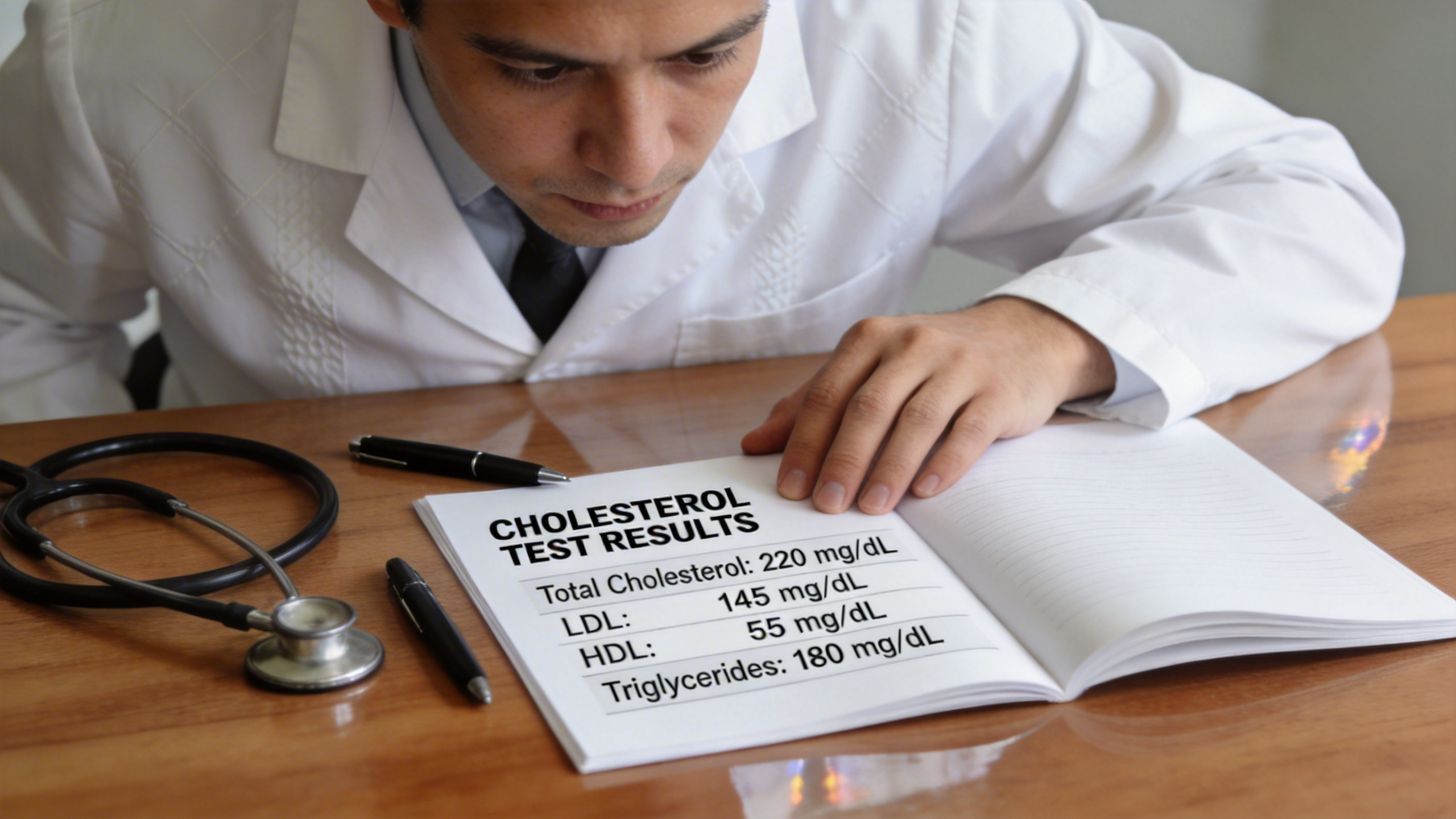
How do I read my cholesterol lab results?

One of the most common questions I often get from my patients is, “How do I read my cholesterol lab results?” Understanding your cholesterol values and how they play a part in your overall health is one of the many things I enjoy explaining. Knowing your cholesterol numbers and how to interpret them will give you a better idea of what changes you need or don’t need to make in regard to your overall lifestyle and diet.

What is a Cholesterol Test or Lipid Panel?

A cholesterol test, also known as a lipid panel, is a blood test used to measure cholesterol and fats in your blood. By analyzing the levels of cholesterol and triglycerides in your blood, a lipid panel test can help determine your risk of developing fatty deposits (plaques) in your arteries. This is a condition known as atherosclerosis.

Persistently high cholesterol levels can result in atherosclerosis. Atherosclerosis can result in significant negative long-term effects such as heart attack and stroke since blood flow to vital organs such as the heart and brain can become compromised.

What Does a Cholesterol Test/Lipid Panel Measure?

The Cholesterol test/Lipid panel measures four main types of cholesterol labs: HDL, LDL, triglycerides, and total cholesterol.

  • High-Density Lipoprotein or HDL level

High-density lipoprotein, or HDL, is a type of cholesterol often called “good” cholesterol. HDL carries excess cholesterol from your bloodstream to your liver, where it can be processed and eliminated from your body. 

High HDL cholesterol levels can help clear out the harmful LDL cholesterol from your arteries. This can help maintain adequate blood circulation to your organs and lower your risk of long-term organ damage from things like heart attack and stroke. 

  • Low-Density Lipoprotein or LDL Level

Low-density lipoprotein (LDL) is commonly called the “bad” cholesterol. LDLs are necessary for carrying cholesterol to your body’s cells for vital functions. However, having too much can lead to serious health problems. This is because having too much LDL in your bloodstream can cause it to aggregate in the walls of your arteries. This can in turn result in the build-up of plaque known as atherosclerosis. Atherosclerosis in your arteries can result in the compromise of blood flow to your vital organs over time.

  •  Triglycerides

Triglycerides are a type of fat found in the body that can be used for energy. When we need energy, our body can utilize these triglycerides much like a car can utilize fuel for energy. When we eat too much food our body can store the extra calories we consume from this food as triglycerides for later use.

Years of research have shown that a high level of triglycerides on a lipid panel test is indicative of a higher risk of heart disease and stroke. 

In addition, certain factors like uncontrolled diabetes, obesity, excessive alcohol consumption, and a high-calorie diet can all contribute to increased levels of triglycerides in your body.

  • Total Cholesterol

Total cholesterol is the sum of all types of cholesterol circulating in your bloodstream. It is calculated using the following formula:

HDL + LDL + 20% of triglycerides = total cholesterol

Knowing your total cholesterol level is important in assessing your overall risk for heart disease and other cardiovascular issues.

How do I interpret my cholesterol lab result numbers?

The normal range of cholesterol lab values described above are as follows:

Note that these are general guidelines, and individual optimal levels may vary depending on various factors such as age, gender, family history, and overall health.

  • HDL, LDL, and Total Cholesterol Test Results (mg/dl)

Types of Cholesterol

Healthy Range

At Risk

Dangerous

HDL

60 and higher

40 to 59 (male)

50 to 59 (female)

Under 40 (male)

Under 50 (female)

LDL

Under 100

100 to 159

160 and higher

Total Cholesterol

Under 200

200 to 239

240 and higher


  • Trygliceride Test Results (mg/dl)

Age Optimal Low Risk  Normal Risk High Risk Dangerous
0-9yr Below 75 75-99 >99
10-18yr Below 90 90-129 >129
>19yr Below 100 100-129 150-199 200-499 >499

What do the cholesterol lab values mean for my overall health?

Patients often ask me how to interpret their cholesterol lab results and if they should be worried about any elevated lab values.

The best way to know for sure if these lab values should be a cause for concern is to speak with a qualified medical provider. We can review your cholesterol values in relation to your lifestyle and any other medical conditions you may have to determine whether you should be concerned.

In addition, The American College of Cardiology/American Heart Association has developed a calculator known as the (ACC/AHA) CV Risk Calculator (2013) that may help predict your 10-year risk of heart attack, stroke, or death from cardiovascular disease.

While helpful, this calculator has several limitations and should only be used in conjunction with a discussion of your cholesterol lab results and risk factors with your doctor.

High cholesterol often has no symptoms, and regular testing is necessary to catch it early. If you are concerned that your cholesterol lab results are above the normal range and you would like to discuss them further,  give our office a call to schedule a time to discuss them.

Dr. Sergio Guiteau is a physician who is board certified in Family Practice and Sports Medicine with added certifications in Aesthetic Medicine. He specializes in Preventive Medicine, Sports Medicine, and  Anti-Aging Medicine and blogs on rhm.sys.mybluehost.me/website_d5adaba3/blog