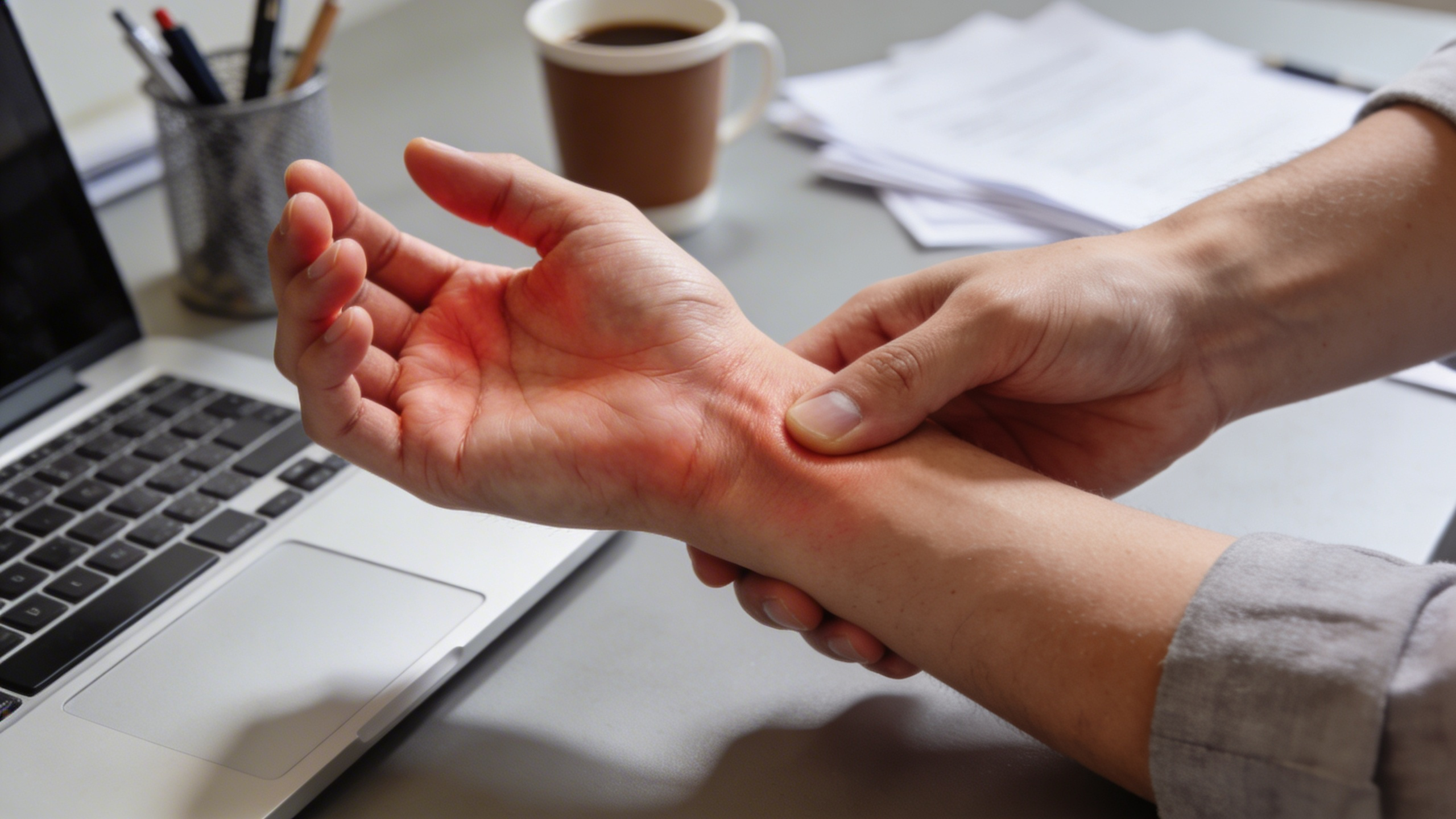
Have you ever noticed tingling or numbness in your fingers? Are you concerned that this may be a carpal tunnel syndrome?
You may be right.
Carpal Tunnel Syndrome affects about 5% of Americans and is the most common cause of what we call peripheral neuropathy, today. Knowing the signs and symptoms so that you can get the best treatment is important. In addition, knowing how to prevent it is always your best option when dealing with Carpal Tunnel.
What is Carpal Tunnel Syndrome?
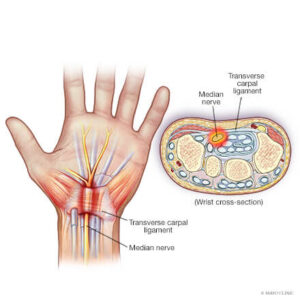
Carpal tunnel syndrome is the numbness and tingling you may experience as a result of inflammation along the palm side of the wrist. This inflammation occurs in an anatomic space known as the carpal tunnel. This is where several tendons and the median nerve are located.
The inflammation that occurs is usually secondary to strain or overuse of those tendons which can cause compression of the median nerve within the carpal tunnel. When the median nerve is compressed for long periods of time, it can result in numbness, tingling, and eventually loss of sensation as the nerve begins to die. When symptoms of Carpal Tunnel Syndrome become constant or persistent, you will typically need medical care in order to alleviate this inflammation.
Do I have Carpal Tunnel Syndrome?
Generally, carpal tunnel syndrome presents with numbness and tingling of the hand and fingers. You may notice numbness and tingling of the thumb, pointer, index, and ring finger. You might also notice that the pain is significantly worse at night or when you first wake up in the morning. THis is likely caused by the positions of your wrist when you sleep. If you perform repetitive work with your hands, including construction work, typing, factory machine work, or cleaning, you are more prone to getting carpal tunnel syndrome.
There are several things you can do right now to see if you have carpal tunnel syndrome.
1) Take your thumb and apply steady pressure to the base of your palm where it meets the wrist. After 30 seconds, if you notice the onset or worsening of numbness and tingling in your hand this is likely a sign of carpal tunnel syndrome.

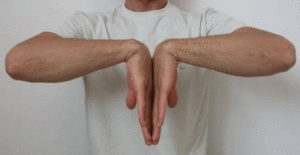
2 )Bring the back of both of your hands together by flexing your wrists down with your fingers towards the floor. If you notice the onset of numbness and tingling as previously stated then you likely have carpal tunnel syndrome.
Do I need surgery?
Nowadays surgery no longer needs to be the definitive option for carpal tunnel syndrome. However, If you have failed conservative treatment or if you do continue to have the following symptoms below than you may want to consider speaking with an orthopedic hand surgeon.
Those symptoms include:
-
- Prolonged numbness and tingling for at least a year
- Failed nonsurgical treatment
- Complete loss of sensation or feeling in the hands
What are Other Options Besides Surgery?
If you believe you may be suffering from carpal tunnel syndrome there are several options besides surgery you can try:
Wrist splints – These provide an excellent alternative for those who have mild symptoms that are irritating but not debilitating. By using wrist splints during activity or when you sleep you can avoid flexing or extending your wrist which will prevent compression of the median nerve. Holding your wrist in a neutral position may also allow any temporary inflammation within the carpal tunnel to heal. These wrist splints can be helpful for carpal tunnel syndrome.
Injections – When performed, the injections decrease inflammation or compression of the median nerve. If done correctly these injections can be painless and will help alleviate your discomfort. It is important to find a practitioner who is experienced in these injections to ensure that you have the best outcome
Physical/Occupational Therapy – This is a good option for those looking for help with exercises and stretches that can possibly help alleviate compression of the median nerve. While therapy may be effective, it usually will not help when performed alone and without other modalities such as wrist splints and injections.
Minimally invasive median nerve release – This is a cutting-edge option. Oftentimes this procedure can be performed in the office and will help alleviate pressure on your median nerve without the need for surgery or general anesthesia. For more information on this procedure please contact our office.
How can I prevent carpal tunnel syndrome?
If you work with your hands and perform prolonged activities such as drilling, hammering, sewing, typing, cooking, or cleaning, you are likely at higher risk of developing carpal tunnel syndrome.
In addition, if you are pregnant or have a medical history of diabetes, thyroid disorder, arthritis, or obesity, you are also at an increased risk of having carpal tunnel syndrome.
If you are in a high-risk group we recommend that you maintain a healthy weight and control any metabolic disorders that you may have. For those who don’t have any significant medical conditions but who do perform activities that may predispose them to having Carpal Tunnel Syndrome, it is important to limit the amount of time you spend on one particular activity at a time.
Just like a baseball pitcher has a pitch count so that he doesn’t overuse and injure his shoulder, you must also control the amount of time that you spend drilling, typing, lifting, or performing a particular activity that may predispose you to carpal tunnel syndrome. For instance, if you spend a lot of time on the computer for a living, you may want to consider switching between typing and other activities such as using the mouse for graphic design or talk-to-text typing.
Unfortunately, not everybody has the luxury of switching between activities while at work. For those who don’t, you may find it beneficial to wear a wrist splint which will help prevent recurrent flexion or extension of the wrist that may worsen or cause inflammation within the carpal tunnel. Protecting your hands and wrists will go a long way towards preventing any future discomfort and debilitation that can occur for those who experience carpal tunnel syndrome.
Dr. Sergio Guiteau is a physician who is board certified in Family Practice and Sports Medicine with added certifications in Aesthetic Medicine. He specializes in Preventive Medicine, Sports Medicine, and Anti-Aging Medicine and blogs on rhm.sys.mybluehost.me/website_d5adaba3/blog