When you’re trying to lose weight, it’s easy to become overwhelmed by all of the diets, supplements, and meal replacement plans promising quick results. It’s important to approach these claims with a critical eye since most of them don’t have the support of scientific evidence.
The ones that do however all boil down to one common thing – limiting your calories.
Limiting your caloric intake or burning more calories than you consume is the only way to lose weight. Learning and mastering how to do this consistently over time is how you lose weight and keep it off.
In this guide, I will teach you how to curb your caloric intake and how to keep it in check consistently.
We will cover everything from creating a calorie deficit to tracking your progress to maintaining weight loss.
Caution: This is not a lose-weight quick guide. This article will show you how to manage your diet so that you can lose weight consistently one pound at a time without the need for dieting or medications.
What are Calories?
Before we delve into how you can lose weight naturally, you must understand calories.
A calorie is merely a unit of heat energy. Generally speaking, it is defined as the amount of heat energy needed to heat 1 gram of water by 1 degree Celsius. Today, we can use a machine known as a bomb calorimeter to burn food and measure how many calories (heat energy) are released from the foods that we eat and the drinks that we consume.
The amount of calories in specific foods is determined by their unique chemical composition. Generally, foods high in fats and carbohydrates provide more calories, while protein-rich alternatives typically provide fewer calories.
Similarly, when we eat food our bodies metabolize that food for energy. The heat energy released is also measured in calories. This can be measured using a formula known as the Harris-Benedict Formula. You will not have to use this formula.
The more food we consume the more fuel we have to utilize. If we consume too much food our bodies will store that extra fuel for future use. We indirectly measure this fuel as calories. Or put another way, our bodies will store the extra calories.
Eating too many calories will result in weight gain.
How Many Calories Do I need?
The amount of calories you need per day is called your basal metabolic rate (BMR). Your BMR is the amount of calories your body burns at rest to maintain vital functions.
You can use this calculator here to get a better estimation of your BMR.
How Many Calories Do I Burn Per Day?
Now that you know how many calories you burn at rest or BMR, you need to understand how many calories you use or burn per day given your activity level. Your activity level significantly influences the amount of calories you burn per day. Calculating how many calories you burn based on your activity level will show you the difference between what you need at rest versus what you are burning based on your lifestyle.
You can use the chart below to calculate this. Just multiply your weight in pounds by the multiplier in the right-hand column that corresponds with your activity level.
For instance, if you weigh 190 pounds and you are lightly active then you would do the following: 190 x 13.5 = 2,565 cal. Thus your body needs 2,565 calories per day to maintain your current weight. Eating any more than this consistently will cause you to gain weight whereas eating any less than this consistently will result in weight loss.
You must eat at a caloric deficit in order to lose weight.
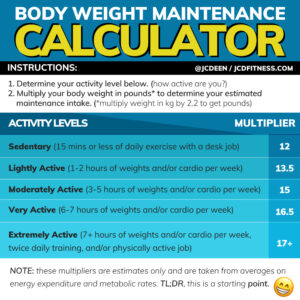
Note: This is only an estimate. You may be burning slightly more or less calories per day however this will give you a good starting point.
How Many Calories Should I Cut Per Day?
Now that you know how many calories you are burning daily, you can start deciding how many calories you need to cut out in order to lose weight.
While the number of calories required to gain or lose a pound depends on a variety of factors, as a general rule of thumb, you should cut your caloric intake by about 500 calories per day to lose 0.5 lb to 1lb a week. While this is not a perfect calculation, this is a good place to start in order to get an idea of how many calories you need to eat in order to lose weight.
Always remember to stay hydrated if you are going to be cutting your caloric intake by drinking plenty of water.
You should also consult with your primary care provider if you plan on cutting more calories than this or if you notice any concerning symptoms.
How Can I Monitor My Caloric Intake?
Now that you know how many calories you need to eat to lose weight, you need to monitor how many calories you are consuming.
There are several apps and online calculators that will help you do this.
Tracking your calories creates a sense of awareness and accountability.More importantly, it empowers you to make informed choices about portion size and food selection.
If you would rather not use calculators or apps to help you lose weight and prefer a general guide of what foods you should or should not eat, please reach out to our office directly.
How Can I Cut Calories?
Here are the three effective ways to cut your calories:
1. Cut Out Poor Quality High-Calorie Foods
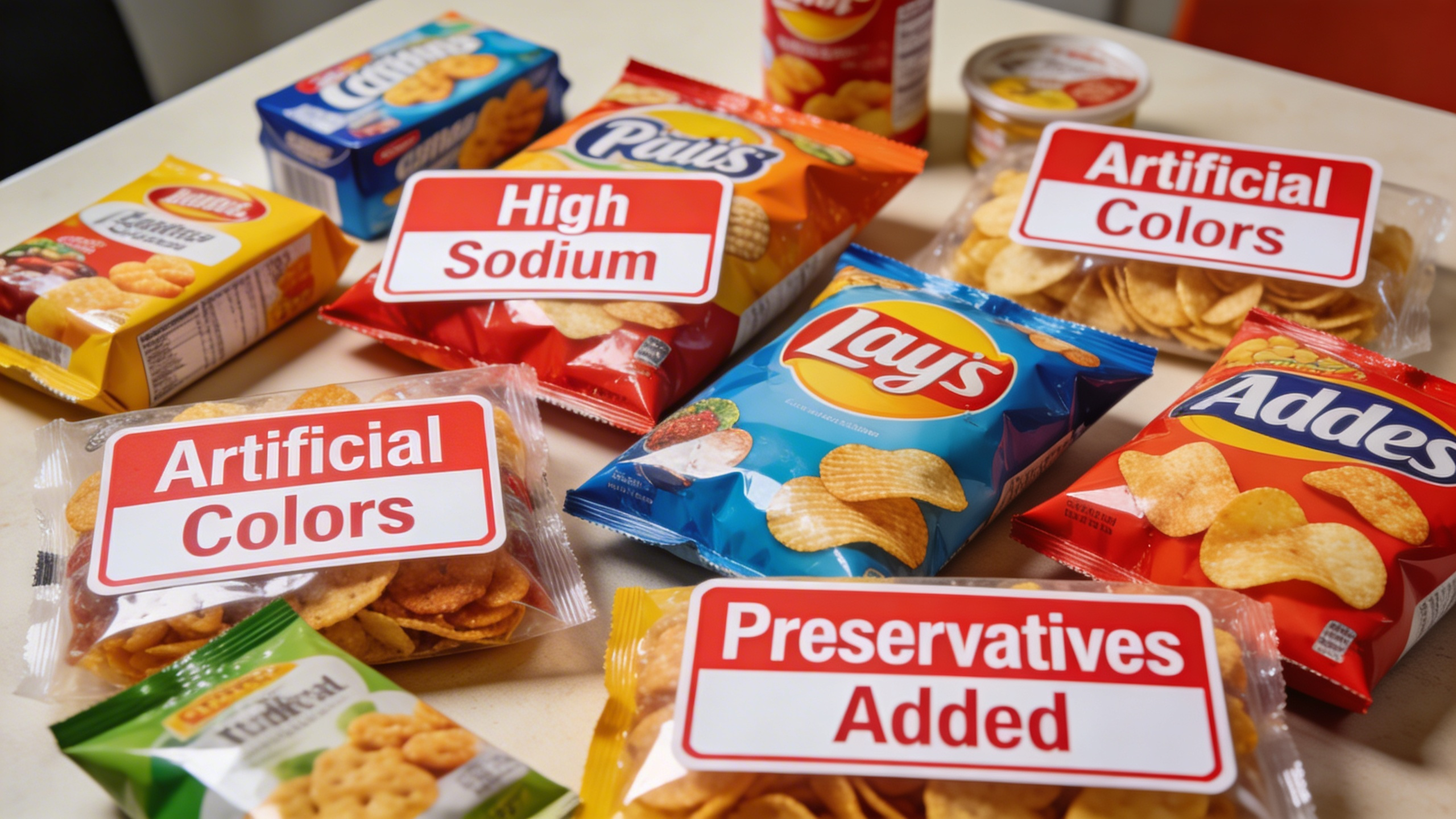
This one is straightforward. When aiming to cut calories, you must cut down on poor quality high-calorie foods from your diet.These foods typically include processed snacks, sugary drinks, and items high in saturated fats.
You can significantly lower your caloric intake by reducing or eliminating these unhealthy choices. Opt for nutritious alternatives like fresh fruits, vegetables, lean proteins, and whole grains.
2. Switch to More-Filling Low-Calorie Options
Another effective strategy to reduce caloric consumption is to switch from less-filling high-calorie options to more-filling, low-calorie options.
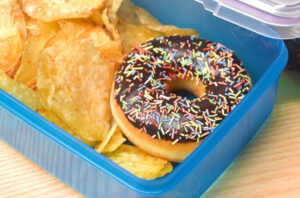
For instance, instead of reaching for calorie-dense desserts like cookies, pastries, and chips, consider alternatives like fresh berries or nuts like almonds or cashews. Similarly, swap out calorie-rich beverages like soda or sugary juices for water, low-sugar or sugar-free herbal tea, or sugar-free flavored sparkling water.
These substitutions allow you to enjoy satisfying foods and beverages while reducing your caloric intake.
3. Cut Down on Portion Sizes
Cutting down on portion sizes is a practical way to reduce calorie intake without eliminating your favorite foods.
Avoid eating whole portions in one sitting from restaurants. These portions tend to be more than one serving size and can be spread out over multiple days to help keep you at a daily caloric deficit.
Be mindful of how much food you put on your plate, and avoid going for seconds just to feel stuffed.
Paying attention to hunger and fullness cues can help prevent overeating. Remember, it’s not about depriving yourself of food but rather finding a balance that allows you to enjoy your meals while controlling your caloric intake.
4. Know Your Menu Options
We all love to eat out and enjoy the occasional “fast food” restaurant. You don’t have to cut out your favorite restaurants in order to lose weight. You just have to know what your options are and how often you can “splurge” on unhealthy options. Every restaurant, even McDonalds, has low-calorie options. Check out this list here for some of the more popular resturants.
Your goal, if you are going to be eating at these restaurants, is to know what your go-to low-calorie (and hopefully healthier) options are before you even order from there. Pick your top 3-4 restaurants that you frequent and know what your low-calorie options are when you eat from there. This will keep you from going off the menu and ordering unhealthy high-calorie options.
Every once in a while but no more than once a month you can eat an unhealthier option as long as you stay under your caloric goal for the day. You may find that after eating a low-calorie or healthier options that the unhealthier options are no longer appealing to you.
How Can I Curb My Appetite?
Oftentimes, the hardest part of eating less and maintaining a caloric deficit is controlling your appetite. Appetite control can be difficult, especially when your body is used to overeating or consuming more calories than you need.
This can be even more difficult when we factor in such things as busy work/life schedules, readily available low-quality food options, and foods that are designed to make you eat more.
There are effective strategies that can help you curb your appetite and make healthier choices. Incorporating these 3 habits into your daily routine can help.
1. Eat Low-Calorie Meals that are Filling
This one is also straightforward.
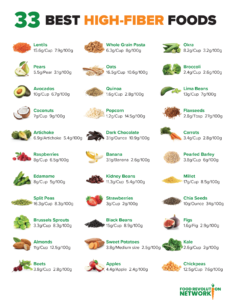
Focus on incorporating fiber-rich foods like vegetables and whole grains. These nutrient-dense options provide volume and help you feel full for extended periods. Including lean proteins like chicken, fish, or legumes can also contribute to satiety.
2. Drink Plenty of Water with Meals
Hydration is important for overall health; drinking water before or during meals can help you feel more satisfied. Staying properly hydrated is important because, at times, the body may mistake thirst for hunger, leading to unnecessary snacking or overeating.
3. Dont Deprive Yourself of food
Cutting calories while keeping your hunger in check can be difficult. As stated earlier, often times the hardest part of eating less is controlling your appetite. One of the worst things you can do when trying to cut weight however is to deprive yourself of food to the point where you are hungry for a significant portion of your day. This can result in such adverse effects as weakness, fatigue, depression, irritability, lightheadedness, nausea, upset stomach, and headache. No one wants to feel any of these let alone more than one of these symptoms at any given time.
No weight loss plan can work unless you find a balance where you can curb your hunger while eating enough and maintaining your motivation to want to continue losing weight. Because of this, it is important to eat at regular intervals throughout the day so that you can continue to maintain satiety/fullness. Even if you aren’t hungry, you should consider eating regularly throughout the day in order to avoid feeling hungry. As you can expect, feeling hungry and irritable is the quickest way to derail your weight loss and cause you to go back to the unhealthy eating patterns that resulted in the weight gain in the first place.
Note: If you are having difficulty curbing your appetite sometimes you may need a little extra help. There are medications that may help control your appetite while you progress towards your weight loss goals. If you would like more information please reach out to our office.
Remember, sustainable and natural weight loss is a journey that requires patience, consistency, and a focus on eating in a way that keeps you at a caloric deficit. While the majority of your weight loss will come from a low-calorie diet, incorporating regular physical activity, getting enough sleep, and managing stress will also help contribute to your weight loss goals.
By making mindful choices when it comes to your food and embracing a lifestyle that supports your weight loss, you can lose the weight and more importantly, keep it off for good.
Dr. Sergio Guiteau is a physician who is board certified in Family Practice and Sports Medicine with added certifications in Aesthetic Medicine. He specializes in Preventive Medicine, Sports Medicine, and Anti-Aging Medicine and blogs on rhm.sys.mybluehost.me/website_d5adaba3/blog