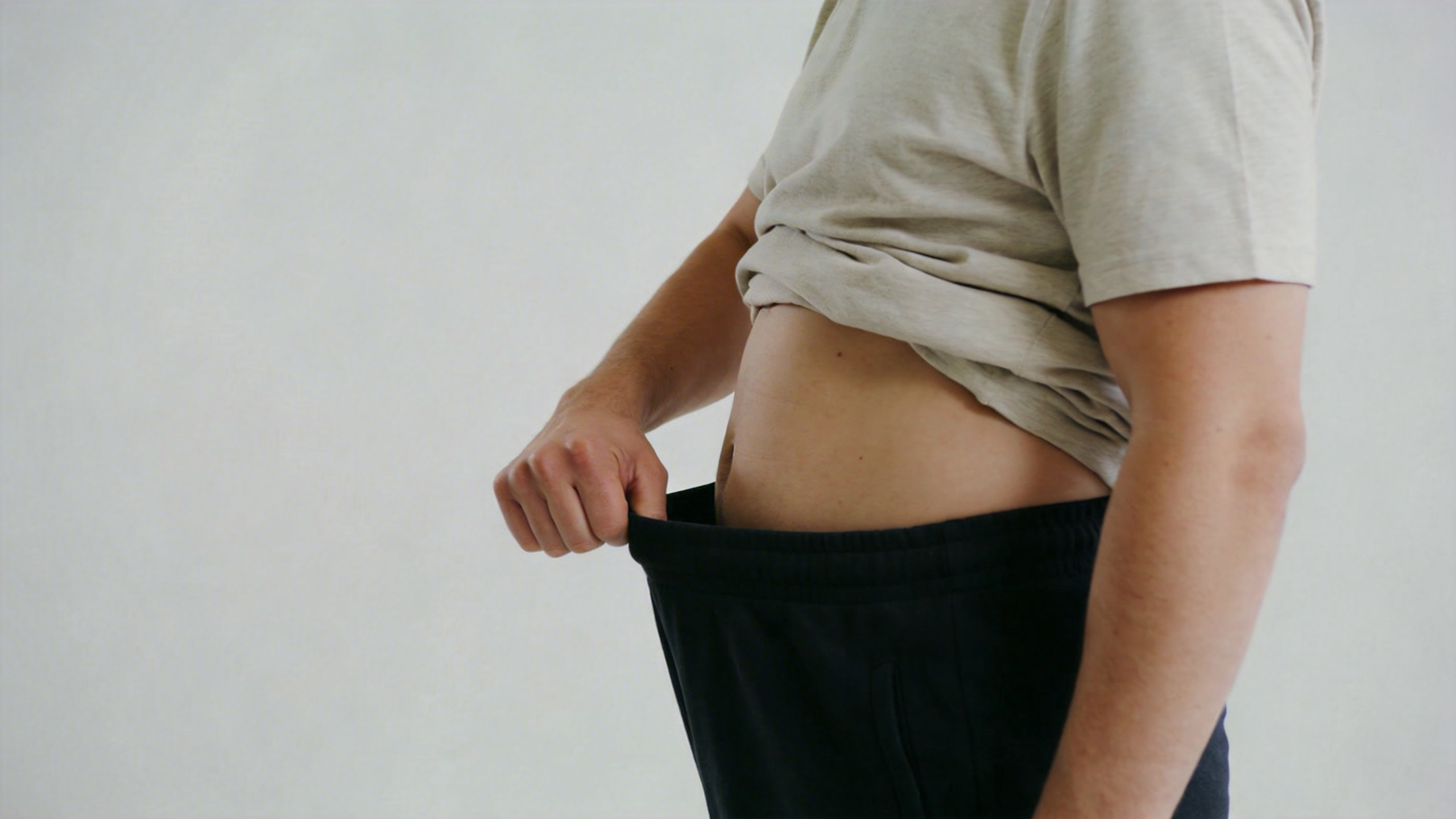
What Is Belly Fat?
Belly fat, also known as abdominal or visceral fat, is the fat stored around the midsection. There are two main types.
Subcutaneous fat: Just beneath the skin, this is the fat you can pinch.
Visceral fat: Deeper within the abdominal cavity, this fat surrounds internal organs and is more strongly linked to metabolic disease.
While some belly fat is normal, excessive accumulation, especially of visceral fat, can increase your risk of heart disease, type 2 diabetes, and certain cancers.
What Makes Belly Fat Unique and Why Is It So Stubborn to Remove?
Belly fat is hormonally active and responds differently to stress, diet, and exercise than fat in other parts of the body. It’s often resistant to change because of several factors. For one, Cortisol, the stress hormone, tends to promote fat storage in the abdominal region. When stress is high then cortisol also increases. This makes it harder to loose weight around the mid section. Also as we get older, shifting hormone levels (especially in men and postmenopausal women) make fat loss harder. Lastly, Fat cells in the abdominal area have more beta-receptors, which inhibit fat burning, making them less responsive to lipolysis (the breakdown of fat).
Can I Only Reduce Belly Fat?
The short answer is no. Spot reduction, is a common myth and suggests that you can target fat loss in specific areas with focused exercises.
This is how a lot of fitness influencers and companies marketed their products in the late 90’s and early 2000’s. Unfortunately, fat loss doesn’t work that way. You lose fat systemically, and where it comes off first or last depends on genetics, hormones, and metabolism. However, you can improve abdominal tone and reduce overall body fat to shrink your waistline and flatten your belly over time.
How Do I Avoid Belly Fat?
Preventing belly fat requires a multi-faceted approach:
- Eat whole, minimally processed foods high in fiber and protein, and low in added sugars.
- Avoid sugar-sweetened beverages and refined carbs.
- Move more throughout the day—not just in the gym.
- Manage stress levels, which can directly impact cortisol and fat storage.
- Prioritize sleep—poor sleep disrupts hunger hormones and increases cravings.
- Limit alcohol intake, which contributes to fat storage around the abdomen.
What Can I Do to Lose Belly Fat?
When it comes to loosing belly fat or trimming your waistline your goal should be to shed weight overall while toning your core muscles.
Here is a 5 step process that I use to counsel patients. Especially if the goal is to loose weight.
- Engage in regular aerobic exercise (e.g., walking, running, swimming, cycling) for at least 150 minutes per week.
- Incorporate resistance training to preserve lean muscle, which helps burn more fat at rest. Focus on low weight and high rep (12-20 reps) for muscle preservation and endurance.
- Eat a high-lean protein, anti-inflammatory diet to support metabolism and reduce insulin resistance (chicken, fish, lentils, avocado). This includes almost no sugar or alcohol.
- Practice intermittent fasting or time-restricted eating (for appropriate candidates). 8-12 hours of fasting.
- Track progress with body composition devices or waist circumference, not just the scale. Measure every 2 weeks for progress.
Are There Any Injectable Medications That Can Reduce Belly Fat?
Yes—recent advances in both aesthetic and metabolic medicine have introduced injectable therapies that can help:
Aesthetic Injectables:
- Kybella (deoxycholic acid): This is FDA-approved to treat submental fat (double chin), but it has been used off-label in small areas like the abdomen or love handles. Multiple sessions may be needed, and results vary as it is not meant for thicker areas of adipose like the abdomen.
Metabolic Injectables:
- GLP-1 receptor agonists such as semaglutide (Ozempic, Wegovy) and tirzepatide (Mounjaro) have shown significant reductions in visceral fat during clinical trials. These are prescription medications originally used for diabetes and now approved for chronic weight management in qualifying individuals.
Important: These medications should be used under the supervision of a qualified physician and are not substitutes for healthy lifestyle changes.
Losing belly fat is not just about aesthetics—it’s about optimizing your health, energy, and longevity. While it can be stubborn, it is not impossible. With a smart plan that includes science-backed nutrition, exercise, stress management, and, when appropriate, medical interventions, you can make meaningful progress.
If you’re struggling with stubborn belly fat or looking for a personalized plan, consider consulting with our team to learn how we can help.