Over-the-Counter Cold Medications: Finding the Right Fit

The dreaded cold season is upon us again. As the temperatures drop and the days get shorter, it’s not uncommon to find yourself sniffling, sneezing, and feeling downright miserable. Over-the-counter (OTC) cold medications can help when you are looking for a quick way out. However, with a plethora of options available at your local pharmacy, it can be overwhelming to figure out which ones are best for your specific symptoms.

In this article, we’ll help you navigate the aisles and choose the right OTC cold medications for your runny nose, cough, congestion, sore throat, body aches, and fever.

Please note that all of these medications have side effects and should not be taken by everyone. If you are pregnant, have any medical conditions, or are taking any medications or supplements, please consult with your doctor before starting these medications. 

Managing a Runny Nose

A runny nose, often caused by excess mucous production, can be one of the most annoying cold symptoms to treat. To alleviate this annoyance, consider antihistamines such as loratadine (Claritin) or cetirizine (Zyrtec). These Over-the-counter cold medications effectively block histamine, a chemical that triggers mucus production. By reducing histamine activity, these antihistamines can help diminish the production of excess mucus.

Additionally, decongestants like pseudoephedrine (Sudafed) can be beneficial in relieving congestion and reducing the accompanying runny nose. Decongestants work by constricting the blood vessels in the nasal passages, allowing for easier breathing and less mucus production.

Quick Tip:

To quickly alleviate a runny nose, try using a saline nasal spray. Saline nasal sprays help flush out excess mucus and provide instant relief without the potential side effects of some OTC medications. They are gentle and safe for all ages, making them an excellent choice for managing this common cold symptom. Remember to stay hydrated as well, as it can help thin mucus and ease congestion.

Dealing with a Cough

Coughing can be disruptive and even painful, especially when it persists through the night. If you have a dry, persistent cough, OTC cough suppressants containing dextromethorphan (DM) can provide relief by reducing the urge to cough. DM acts on the brain’s cough center to decrease the cough reflex. However, it’s important to note that these medications are most effective for dry coughs and may not be suitable for coughs that produce mucus.

In cases where your cough is productive and involves bringing up mucus, consider an expectorant like guaifenesin (Mucinex). Guaifenesin helps thin and loosen mucus, making it easier to clear from your airways. Some OTC cough syrups combine both cough suppressants and expectorants for comprehensive relief, so look for these if you have a combination of dry and productive cough symptoms.

Quick Tip:

To ease a nagging cough, try a warm honey and lemon concoction. Mix a teaspoon of honey with freshly squeezed lemon juice in warm water. Sip this soothing blend to relieve throat irritation and reduce coughing fits. Honey’s natural antibacterial properties can also help calm an irritated throat.

Easing Congestion

Nasal congestion can make breathing feel like a daunting task. For fast relief, decongestant nasal sprays like oxymetazoline (Afrin) are effective in quickly narrowing the blood vessels in your nasal passages, providing immediate relief from congestion. However, it’s essential to use these sprays sparingly and strictly follow the dosing instructions, as overuse can lead to a phenomenon known as “rebound congestion,” where your symptoms worsen when the medication wears off.

Alternatively, oral decongestants like phenylephrine (Sudafed PE) can effectively address congestion, though they may cause drowsiness in some individuals. Be cautious with oral decongestants, especially if you need to stay alert and focused during the day.

Quick Tip:

To quickly alleviate nasal congestion, try this simple trick: take a hot, steamy shower or create a DIY steam inhalation. The warm, moist air helps open up your nasal passages, making it easier to breathe. You can also use a saline nasal spray to moisten and clear your nostrils. Just a few sprays in each nostril can provide instant relief from congestion. Remember to stay hydrated as well, as it helps keep mucus thin and easier to clear.

Soothing a Sore Throat

A sore throat can make swallowing a painful and unpleasant experience. Lozenges containing numbing agents like benzocaine (Cepacol) or menthol (Halls) offer temporary relief by soothing the irritation in your throat. These lozenges can provide much-needed comfort, especially when dealing with a scratchy or dry throat. For more sustained relief, consider nonsteroidal anti-inflammatory drugs (NSAIDs) like ibuprofen (Advil) or acetaminophen (Tylenol). These OTC medications can reduce throat pain and inflammation, allowing you to swallow more comfortably and get on the path to recovery.

Quick Tip:

Consider gargling with warm salt water multiple times a day. Dissolve half a teaspoon of salt in a glass of warm water and use it as a soothing gargle. This simple home remedy can help reduce throat inflammation and ease discomfort, providing quick relief for your sore throat.

Alleviating Body Aches

Body aches are a common and uncomfortable cold symptom that can leave you feeling utterly miserable. NSAIDs such as ibuprofen or naproxen (Aleve) can help by reducing inflammation and alleviating pain. These medications can be especially effective for addressing the muscle and joint pain often associated with a cold.

Alternatively, acetaminophen is another option for pain relief, though it lacks anti-inflammatory properties. Be diligent about following dosing instructions to avoid exceeding the recommended dosage, as excessive use of acetaminophen can harm your liver. If you’re dealing with severe body aches, it may be beneficial to alternate between NSAIDs and acetaminophen to manage your symptoms effectively.

Quick Tip:

To quickly relieve body aches associated with a cold, try taking a warm bath or shower. The warm water helps relax your muscles and provides temporary relief from discomfort. Additionally, consider using a heating pad or a hot water bottle to target specific areas of pain. Be sure to follow safety precautions and avoid applying heat directly to your skin to prevent burns.

Managing Fever

Fever is your body’s natural response to infection but can be uncomfortable and debilitating. Over-the-counter cold medications like acetaminophen and NSAIDs, such as ibuprofen, can help lower your fever and provide relief from associated symptoms like headaches and muscle pain. These medications work by reducing the body’s temperature set-point in the brain and can help you feel more comfortable during your illness. Ensure you adhere to recommended dosages to avoid any risk of overdose.

Also, remember that fever itself is not a disease but a symptom of an underlying condition. While OTC fever reducers can provide relief, it’s essential to address the root cause of the fever by treating the underlying infection or illness if possible.

Quick Tip:

When using Over-the-Counter (OTC) medications to manage fever, it’s essential to stay hydrated. Fever can lead to increased fluid loss through sweating and increased breathing rate. Make sure to drink plenty of water, clear fluids, or electrolyte-rich beverages to prevent dehydration. Hydration, in conjunction with fever-reducing OTC medications, can help you feel more comfortable and support your body’s recovery process.

Consider Combination Over-the-Counter Cold Medications

If you’re experiencing a combination of symptoms, you may find it more convenient to use combination OTC cold medications. These products typically contain a blend of ingredients designed to address multiple symptoms at once. However, always read the label carefully to avoid inadvertently taking multiple medications with similar ingredients, as this can lead to double dosing and potential side effects. Combination medications can be a convenient option for managing various symptoms simultaneously, but they may not be necessary if you can effectively address each symptom individually with single-ingredient OTC medications.

Consult a Healthcare Professional

While OTC cold medications can provide relief for many individuals, it’s crucial to use them responsibly and adhere to recommended dosages. If your symptoms persist for over a week, worsen, or are accompanied by severe complications such as difficulty breathing, high fever, or persistent chest pain, it’s essential to seek advice from a healthcare professional immediately. These could be signs of a more serious condition requiring medical attention.

Additionally, some individuals, such as those with certain medical conditions or taking specific medications, may need to exercise caution when using OTC cold medications. Consulting with a healthcare provider can help ensure your safety and the most effective treatment plan for your specific circumstances.

Bottomline

Selecting the appropriate over-the-counter cold medications for your specific symptoms doesn’t have to be an overwhelming task. By understanding the purpose of each type of medication and carefully reading labels, you can effectively manage your runny nose, cough, congestion, sore throat, body aches, and fever. Responsible usage of these medications is essential for a faster recovery and improved comfort during your cold. Remember, when in doubt, don’t hesitate to consult a healthcare professional for guidance.

For those looking to explore additional ways to support their immune system during a common cold, you can learn more about the best supplements to take here.

Stay warm, get plenty of rest, and here’s to a speedy recovery from your cold!

Dr. Sergio Guiteau is a physician who is board certified in Family Practice and Sports Medicine with added certifications in Aesthetic Medicine. He specializes in Preventive MedicineSports Medicine, and  Anti-Aging Medicine and blogs on rhm.sys.mybluehost.me/website_d5adaba3/blog

Corticosteroid (Steroid) Injections for Joint Pain

Joint pain and inflammation are big concerns for many patients. There are many treatment modalities available but corticosteroid injections (commonly known as steroid or cortisone injections) have been used for decades and are recognized as an effective approach for providing pain relief from joint pain.

Because of their ability to alleviate symptoms and improve functionality, corticosteroid injections have become a cornerstone of pain management.

This article will delve into the mechanism, application, benefits, and potential risks associated with corticosteroid injections for musculoskeletal conditions and joint pain.

Understanding Corticosteroid Injections

Corticosteroids are synthetic drugs that mimic the effects of hormones naturally produced by the adrenal glands. These potent anti-inflammatory agents work by inhibiting the production of various substances in the body that trigger the inflammatory response. 

When administered via injections directly into the affected area, corticosteroids can swiftly target the source of pain and inflammation, providing rapid relief to patients suffering from musculoskeletal conditions such as osteoarthritis, tendinitis, bursitis, and rheumatoid arthritis, among others.

Mechanism of Action

The mechanism of action of corticosteroid injections involves the suppression of the immune system’s response to inflammation. By inhibiting the production of prostaglandins, histamines, and other inflammatory mediators, corticosteroids effectively reduce swelling, pain, and tenderness within the affected joint or soft tissue.

Additionally, these injections can impede the activity of immune cells responsible for promoting the inflammatory process. This can help restore normal joint function and alleviate discomfort.

Musculoskeletal Disorders Benefiting from Corticosteroid Injections

Corticosteroid injections have demonstrated efficacy in alleviating symptoms associated with various musculoskeletal disorders. Some of the commonly treated conditions include:

Osteoarthritis Chronic inflammation and degeneration of joint cartilage that occurs with time.
Tendinitis Inflammation and irritation of tendons which can lead to persistent pain and a limited range of motion.
Bursitis Inflammation of the small fluid-filled sacs that cushion the bones, tendons, and muscles near joints. 
Rheumatoid Arthritis An autoimmune disorder in which the immune system attacks your body’s tissues and in particular the joints.
Frozen Shoulder (Adhesive Capsulitis) Stiffness and pain in the shoulder joint that can occur after surgery or with no clear cause


By targeting the underlying inflammation in these musculoskeletal disorders, corticosteroid injections can help decrease pain.

Benefits of Corticosteroid Injections

One of the key advantages of corticosteroid injections is their rapid onset of action, with many patients experiencing significant pain reduction within a few days of the injection. This expedited relief can greatly improve a patient’s quality of life, enabling them to engage in activities that were previously hindered by pain and inflammation.

In addition, corticosteroid injections often serve as an adjunct to other therapies, such as physical therapy and pharmacological interventions, enhancing the overall efficacy of the treatment regimen. By reducing inflammation and discomfort, these injections can help facilitate participation in a joint rehabilitation program. This can result in the restoration of normal musculoskeletal function. 

One of the other benefits of corticosteroid injections is that the localized administration directly into the affected area minimizes systemic exposure. This reduces the risk of adverse effects associated with oral corticosteroid use, such as weight gain, mood changes, and an increase in blood sugar.

Potential Risks and Considerations

Prolonged or frequent administration of corticosteroid injections may lead to local side effects including thinning of the skin, depigmentation, and transient increase in pain following the injection. This transient pain is often temporary and resolves within a few days.

In addition, prolonged injections with corticosteroids may also cause a decrease in effectiveness in pain relief, and some evidence suggests that they may cause a worsening in joint arthritis.

As with any injection or procedure where the skin is broken, there is always a risk of bleeding, infection, and scarring although the risk is minimal when performed by an experienced practitioner. If you are thinking about having a corticosteroid injection it is important to find a practitioner who is knowledgeable and experienced in performing these injections in order to minimize your risk of side effects. 

Conclusion

Corticosteroid injections represent a valuable therapeutic option for managing pain and inflammation in a diverse range of musculoskeletal conditions. Their targeted approach, rapid onset of action, and ability to improve functionality make them an practical component of comprehensive musculoskeletal treatment regimens. 

Despite the potential risks associated with their use, the benefits of corticosteroid injections in alleviating discomfort and enhancing patients’ quality of life are undeniable. By using these injections cautiously and for the right conditions, corticosteroids can help treat pain and improve function for individuals grappling with musculoskeletal pain.

Dr. Sergio Guiteau is a physician who is board-certified in Family Practice and Sports Medicine with added certifications in Aesthetic Medicine. He specializes in Preventive MedicineSports Medicine, and  Anti-Aging Medicine and blogs on rhm.sys.mybluehost.me/website_d5adaba3/blog

Is Marijuana Harmless?

The debate surrounding the use and legalization of marijuana has persisted for decades, with many different opinions on its potential benefits and harms. While many advocate for its therapeutic properties and possible low potential for addiction, others including a growing number of healthcare providers are concerned about the adverse effects of marijuana on mental health and overall well-being.

This article delves into the nuances of marijuana use and explores the benefits and risks. We will also provide a balanced perspective on the overall impact of marijuana today.


Understanding Marijuana

Marijuana, commonly known as cannabis, is derived from the Cannabis sativa plant and contains a psychoactive compound called tetrahydrocannabinol (THC). The plant has been used for various purposes throughout history, ranging from medicinal to recreational and spiritual contexts.

Now that marijuana has become legal for medical use in many countries and has even become legal for recreational use in some, the perception of marijuana has shifted significantly in recent years.


Benefits of Marijuana

Research suggests that certain components of marijuana, such as cannabidiol (CBD), possess therapeutic properties that can alleviate symptoms associated with various medical conditions, including chronic pain, epilepsy, multiple sclerosis, and certain mental health disorders. 

Additionally, some cancer patients undergoing chemotherapy have reported that marijuana helps to alleviate nausea and stimulate appetite, contributing to an improved quality of life during treatment. 

Many also argue that marijuana is a safer alternative to other substances commonly used for pain management, such as opioids. Because of the lower potential for addiction and overdose, it has been suggested that Marijuana has a potential role in addressing the opioid crisis as it provides a less harmful option for individuals suffering from chronic pain.


Risks and Concerns 

Despite the arguments in favor of marijuana, there are still concerns regarding its potential risks, especially when used recreationally and among certain populations. The high levels of THC in some marijuana strains can lead to adverse effects on cognitive functions, particularly in those whose brains are still in the developmental stage. Prolonged use among teenagers has been linked to impaired memory, decreased cognitive function, and an increased risk of developing mental health disorders such as schizophrenia.

Moreover, marijuana has the potential to help alleviate pain. Because of this, long-term use of cannabis for pain management may lead to the development of tolerance, resulting in higher doses needed for the same effect. This can potentially increase the risk of dependence and addiction, particularly among those at higher risk of substance use disorders.


The Impact on Mental Health

While some studies suggest that CBD, a non-psychoactive component of marijuana, may have therapeutic effects for certain mental health conditions, such as anxiety and PTSD, the relationship between THC and mental health is actually more complex.

Studies indicate that regular and heavy use of high-THC marijuana may be associated with an increased risk of developing psychiatric disorders, especially in individuals with a predisposition to these conditions. Long-term marijuana use has actually been linked to an increased risk of developing depression and anxiety disorders, challenging the idea that marijuana is entirely beneficial for mental health.


Balancing Perspectives

Legalizing marijuana presents a challenge as lawmakers have to strike a balance between addressing public health concerns and respecting individual freedoms.

For those who use marijuana recreationally it’s important to understand that while Marijuana has the potential for several benefits as discussed above, using marijuana can also present many risks.

Today, dosages of THC are often concentrated much higher than they have been in the past leading to more potent effects. In addition, we do not yet understand all the effects that the long-term use of marijuana can have on such things as neurocognitive function, cancer risk, metabolic function, or cardiovascular health.

If you actively use marijuana, we recommend weighing the risks and benefits of long-term chronic use. Keep in mind that marijuana is still a psychotropic substance that can lead to dependence and may have both short-term as well as potential long-term effects on your health that we may not yet know. You should always avoid marijuana use in certain settings such as when driving or when clear decision-making is needed.

Lastly, avoid using marijuana around those who may still be undergoing neurocognitive development or those who are at risk for potential harm from THC exposure such as children or the elderly. While there is no known toxicity level, marijuana use is not completely without harm and should be used in a way that does not increase the risk of immediate harm to yourself or others.


Dr. Sergio Guiteau is a physician who is board-certified in Family Practice and Sports Medicine with added certifications in Aesthetic Medicine. He specializes in Preventive MedicineSports Medicine, and  Anti-Aging Medicine and blogs on rhm.sys.mybluehost.me/website_d5adaba3/blog
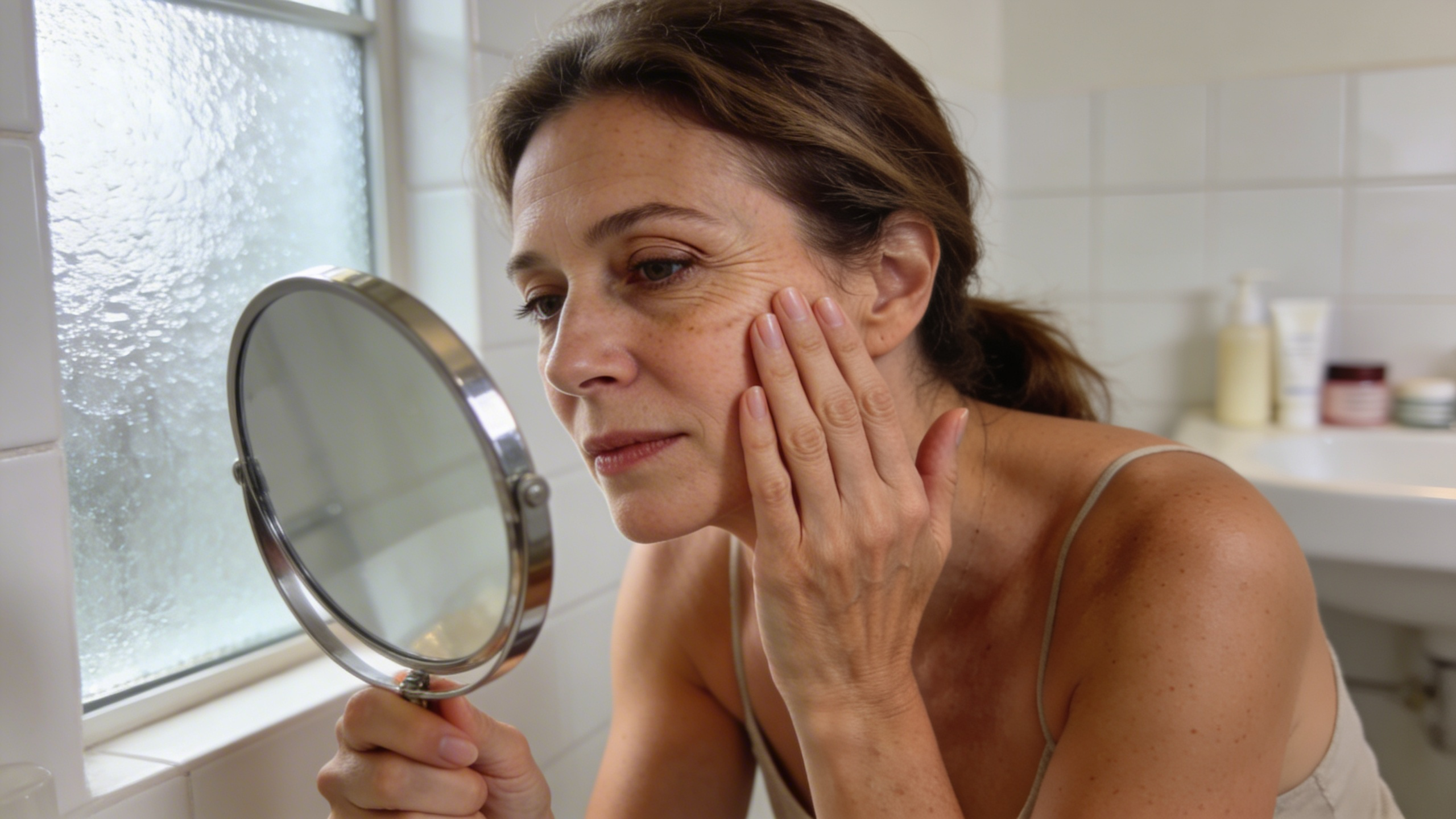
 

Your Face is Aging. What can you do?

Aging is an inevitable part of life, and it affects every aspect of our bodies – including our faces.

Over time, our faces undergo a multitude of changes that can leave us feeling less confident and youthful. The good news is that there are various options available to help combat these common signs of aging and restore your natural beauty. 

In this article, we’ll explore the transformations that occur as we age and delve into some of the solutions including surgical, non-surgical, as well as regenerative and aesthetic options.


Common Signs of Aging 

Before we delve into the solutions, it’s crucial to gain a deeper understanding of the common signs of aging that affect our faces. These signs not only reflect the passage of time but also how our skin, muscles, and bone structure evolve with age. Let’s explore these changes in more detail:

Why do Women Age Faster Than Others? | Artiste Plastic Surgery


  • Foreheads Expand, Hairlines Retreat:

    As we age, it’s not uncommon for our foreheads to undergo a noticeable transformation. The forehead may gradually appear wider, while the hairline recedes. This change can result in a more mature and aged appearance, with the once youthfully high forehead giving way to a more prominent, mature brow. As the forehead expands and the hairline retreats, it can affect the overall balance of facial proportions.

  • Ears Often Get Longer:

    The ears are not immune to the passage of time, and they, too, undergo changes as we age. Over the years, our ears can appear larger than they once were, which is primarily attributed to the loss of collagen and elasticity in the skin.
    Gravity exerts a constant pull on the earlobes and surrounding tissue, contributing to this noticeable lengthening. As a result, the ears may seem more prominent and elongated compared to their youthful appearance.

  • Drooping Nose Tips:

    The nose, a central and defining feature of the face, can also undergo transformations with age. The connective tissue that supports the nasal cartilage weakens over time, causing the tip of the nose to droop
    This subtle but significant change can alter the overall facial harmony. The nasal tip, once perky and youthful, may now appear less defined and less uplifted, impacting the balance and aesthetics of the entire face.

  • Loss of Natural Volume:

    One of the most significant contributors to the aging process is the loss of natural volume beneath the skin. As we age, the fat layers that provide fullness and contour to our face gradually diminish. This loss of fat can lead to a decrease in natural volume, causing the skin to sag and wrinkle. Areas that were once plump and youthful, such as the cheeks, may start to appear deflated and hollow, contributing to an overall appearance of aging.

  • Skin Wrinkles:

    Sun damage, coupled with the persistent contraction of facial muscles, can result in the formation of wrinkles and fine lines. Prolonged exposure to the sun’s harmful UV rays can also lead to premature aging, manifesting as sunspots, fine lines, and uneven skin tone. Additionally, the repetitive contraction of facial muscles over time, such as squinting or frowning, can create dynamic wrinkles and lines, particularly around the eyes, forehead, and mouth.

  • Bone Resorption:

    As the years progress, another significant factor in the aging process is bone resorption. Bone density decreases, especially in the facial bones, causing the underlying support structure to weaken. This can result in more noticeable sagging of the skin, primarily around the jawline and cheeks. The altered bone structure can affect the overall facial contours, leading to a less youthful and defined appearance.


Non-Surgical Creams

For those who prefer non-invasive options, there are several creams and products available to help combat signs of aging:


  • Sunscreen:

    Sunscreen is your first line of defense against premature aging. Protecting your skin from harmful UV rays can prevent sun damage and reduce the risk of wrinkles and age spots.

  • Collagen-based Creams and Moisturizers:

    Collagen-infused creams work to restore depleted collagen levels, enhancing skin elasticity and diminishing the visibility of fine lines and wrinkles.

  • Prescription Creams (Retinoids):

    Retinoids are powerful compounds that stimulate collagen production, reduce fine lines, and enhance skin texture. 

Regenerative/Aesthetic Options

Non-surgical regenerative and aesthetic options offer less downtime and natural-looking results. Here at our office, we offer a range of treatments at South Florida Advanced Rejuvenation to help you combat facial aging:


  • Botulinum Toxin (Botox):

    Botox is a well-known treatment that works by temporarily paralyzing the facial muscles responsible for wrinkles. It is highly effective in smoothing out lines and wrinkles, particularly on the forehead, crow’s feet, and frown lines. Our office regularly uses neurotoxins such as Botox, Xeomen, and Dysport to treat fine lines and wrinkles.

  • Dermal Fillers:

    Dermal fillers, such as Juvederm and Restylane, are used to restore volume and can also fill in areas that are sagging or wrinkled. Common areas that can be enhanced include the lips, cheeks, and jawline. When done correctly they can provide natural-looking results that essentially turn back the clock.   Find more information on dermal fillers here.

  • Laser Treatments:

    Laser treatments can address various skin concerns, including wrinkles, age spots, and uneven skin texture. They work by stimulating collagen production and improving skin tone and texture.

  • Microneedling:

    Microneedling involves tiny needles that create micro-injuries in the skin, triggering the body’s natural healing response and collagen production. This procedure can improve the appearance of fine lines, wrinkles, and scars.

  • Ultrasound and Radiofrequency Devices:

    These devices use ultrasound or radiofrequency energy to stimulate collagen production, resulting in tighter, firmer skin. They are commonly used for non-surgical facelifts and skin tightening.

  • PDO Threading:

    PDO threading is a minimally invasive procedure that involves the placement of dissolvable threads beneath the skin to lift and tighten sagging areas. To learn more about PDO thread lifts, visit this page.

Surgical Options

Surgical procedures can provide significant and long-lasting improvements in facial appearance. These options are more invasive and can necessitate considerable time for recovery. Two common surgical options are:


  • Surgical Facelift:

    A facelift, also known as rhytidectomy, is a surgical procedure that involves the removal of excess facial skin to create a more youthful and tightened appearance. 

  • Surgical Brow Lift:

    A brow lift is a surgical procedure designed to rejuvenate the forehead and brow area. It elevates sagging brows and reduces wrinkles, giving you a more youthful and refreshed look.


Bottomline

Aging may be a natural process, but it doesn’t mean you have to accept its effects on your appearance. Our office offers a range of solutions to help you combat facial aging. Whether you prefer surgical options, non-surgical creams, or regenerative/aesthetic treatments, there are many choices to suit your needs and preferences. 


Take the first step towards a more youthful and rejuvenated appearance by exploring these options, and be sure to check out our blog section for more information on aesthetic-related topics. With the right guidance and treatments, you can reclaim your youthful glow and confidence.


Dr. Sergio Guiteau is a physician who is board-certified in Family Practice and Sports Medicine with added certifications in Aesthetic Medicine. He specializes in Preventive MedicineSports Medicine, and  Anti-Aging Medicine and blogs on rhm.sys.mybluehost.me/website_d5adaba3/blog

 

Stem Cells for Joint Pain

Stem cell injections are a type of regenerative treatment that has been gaining recognition for its effectiveness and safety.

More recently, Stem Cell therapy has become an effective alternative to surgery for those looking to treat chronic joint pain from arthritis.

In this article, we will explore stem cells and examine how they might be able to help alleviate your chronic joint pain.


What Are Stem Cells?

Stem cells are immature cells that can divide and transform into different types of mature cells, each with its own specific function. 

When stem cells are injected into your joint they can help promote tissue repair and possibly even restore tissue that has been damaged or lost. 


Common Diseases Treated with FDA-Approved Stem Cell Therapies

Stem cell treatments have been approved by the FDA for various diseases. These FDA-approved therapies aim to replace damaged cells from chemotherapy or illness or to bolster the immune system against specific cancers and blood-related conditions such as leukemia, lymphoma, and neuroblastoma.

As of the writing of this article, the FDA does not approve the use of Stem Cells for any other medical conditions. However, researchers are actively exploring the use of adult stem cells for joint pain. In addition, many clinics such as ours offer stem cell injections for joint conditions such as arthritis as well as for the repair or relief of pain from certain ligament, tendon, or cartilage damage.


Stem Cells for Joint Pain

Using stem cells to treat joint pain is becoming a more popular option for many people looking for cutting-edge alternative ways to treat their joint pain. Adult stem cells are typically collected from your own bone marrow or from fat cells. After the cells are harvested they are typically prepared in a lab before being injected into your joint.

While we don’t know for certain how stem cells work to relieve pain and in some cases repair tissue, what we do know is that stem cells seem to release as well as promote the release of pro-inflammatory substances that can result in joint healing and long-term pain relief.


MFAT versus Bone Marrow Stem Cells

Adult Stem Stem Cells can be obtained from your bone marrow or from fat – also known as Micro-fragmented adipose tissue or MFAT. The choice between using bone marrow or MFAT to collect stem cells is typically up to the physician performing the procedure.

  • MFAT Micro-fragmented adipose tissue can be obtained from various areas of the body through liposuction but is typically obtained from fat around the hips or abdomen. MFAT cells are often extracted and prepared using a process of fragmentation and centrifugation in order to maximize the amount of stem cells available.
  • Bone Marrow Stem Cells are obtained from bone marrow and are most often extracted from the hip bone (pelvis). Bone Marrow stem cells can also be centrifuged in order to maximize stem cells but do not need to undergo a fragmentation process.

As of the writing of this article, there is currently no definitive evidence on which source of adult stem cells are better at alleviating joint pain.

While stem cell use for joint pain has shown promise, it is important to remember that this procedure continues to be experimental in nature. Today, there is no medical standard for the quantity of stem cells that should be used or how often they can be injected.

Stem Cell Buyer Beware

It is important to remember that not all orthopedic conditions can be treated with Stem Cell injections. In addition, as of this writing Stem Cells WILL NOT reverse severe joint diseases such as grade 4 arthritis and other severe soft tissue damage. It may however provide some or complete pain relief if done correctly.

Today, some clinics will charge you exorbitant fees and inject poor-quality stem cells under the guidance of inexperienced and/or low-level providers. Because of this, if you are considering getting stem cell injections, it is important to find a physician who is well-experienced in regenerative medicine and in providing these injections.

As a rule of thumb, If anyone tells you that stem cells will reverse your arthritis or that the results are guaranteed you should seek another opinion. Likewise, if you are being given stem cells that are not from your own body or by a provider who has not provided you with a thorough evaluation of your joint imaging (X-ray, MRI, CT scan, Ultrasound) then you should also seek care elsewhere.

Bottom Line

While stem cell therapy for the treatment of joint pain is a cutting-edge experimental treatment, when done in the right hands, it can be effective in treating joint pain such as arthritis.

You should almost always be receiving stem cells from your own tissue and make sure your physician reviews your imaging and is well-experienced in providing these injections so that you can receive the maximum pain relief possible.

If you have any questions about stem cell treatments for joint pain or any other regenerative or anti-aging procedures, feel free to give our office a call.


Dr. Sergio Guiteau is a physician who is board-certified in Family Practice and Sports Medicine with added certifications in Aesthetic Medicine. He specializes in Preventive MedicineSports Medicine, and  Anti-Aging Medicine and blogs on rhm.sys.mybluehost.me/website_d5adaba3/blog

How to Prevent UTIs

Urinary tract infections, or UTIs, cause discomfort and frustration for many people, especially women. If you’ve endured the pain of a UTI, you understand the urgency of prevention. While antibiotics offer relief post-infection, the true defense lies in preventing UTIs in the first place.

UTIs often target women and those assigned female at birth. Around 20% of women will experience a UTI in their lifetime. 


What is Urinary Tract Infection (UTI)?

A Urinary Tract Infection (UTI) is a prevalent microbial infection affecting various components of the urinary system. The urinary system encompasses the urethra, bladder, and kidneys, and UTIs can manifest in any of these anatomical segments.

UTIs commonly originate from bacterial infiltration of the urinary tract.

Escherichia coli (E. coli), Klebsiella, Proteus, and Enterococcus are the most common bacteria that can cause a UTI.

These bacteria typically ascend into the urinary tract urethra and can eventually move into the urinary bladder. When the bladder isn’t completely voided and bacteria continue to overgrow the infection can eventually climb further up and into the kidneys, resulting in a kidney infection (pyelonephritis).


Here are 12 ways you can help to prevent UTIs


1. Drink Plenty of Water

Staying well-hydrated is a cornerstone of urinary tract health. Women who consume less than 1.5 liters of water daily have a 50% increased risk of developing UTIs. If you are prone to getting UTIs then you should be hydrating regularly. Adequate hydration encourages frequent urination which helps to flush out bacteria from your urinary tract. Aim for about eight glasses of water every day.

If plain water isn’t your preference, consider decaffeinated herbal tea or milk.  Avoid hydrating with excessively sweetened beverages as this may contribute to elevated blood glucose levels.

Reducing alcohol and caffeine intake can also contribute to a healthier urinary system.


2. Urinate Before and After Intercourse

Sexual activity – especially in women – can introduce bacteria into the urethra. To mitigate this risk, habitually urinate before and after intimacy. This practice helps eliminate potential bacteria that could lead to a UTI.

Additionally, gently cleaning your genital area before intercourse can contribute to maintaining cleanliness and minimizing the transfer of bacteria to the urethra.


3. Stay Hydrated After Intercourse

After intercourse, try to drink a glass of water to help flush out any bacteria that might have entered your urethra during sexual activity.


4. Wipe Front to Back

After using the bathroom, make it a habit to wipe your genital area from front to back. This simple action is crucial because the rectum is a common source of E. coli bacteria. By wiping in this direction, you minimize the risk of transferring these bacteria from the anus to the urethra which can prevent UTIs.

If you are dealing with diarrhea, adhering to the front-to-back wiping method becomes even more critical.

Diarrhea can disrupt normal bowel movements and increase the potential for E. coli to spread from the rectum to the urethra.


5. Take Cranberry Extract

Cranberry extract can be an effective preventive measure against UTIs. Regular consumption of cranberry products containing proanthocyanidins (PACs) can hinder the attachment of bacteria to the bladder wall, reducing the risk of infection. Opt for cranberry supplements over cranberry juice, as supplements provide a higher concentration of PACs.


6. Avoid Scented Vaginal Washes and Bubble Baths

Preserving the inherent bacterial equilibrium within the vaginal region plays a pivotal role in UTI prevention. Scented feminine products have the potential to upset this delicate balance, providing an environment for detrimental bacteria to thrive. It’s advised to avoid the use of scented douches, pads, tampons, and powders. Additionally, scented bath oils, soaps, and bubble baths can lead to genital irritation and disrupt the harmonious bacterial equilibrium of the vaginal area.


7. Avoid Holding Your Urine

Delaying trips to the restroom can create a breeding ground for bacterial growth. If you are prone to getting UTIs aim to urinate every 3 to 4 hours and fully empty your bladder each time. This practice becomes even more crucial during pregnancy, as pregnancy increases the risk of UTIs.


8. Use Probiotics

Probiotics are vital in maintaining a healthy balance of bacteria in your body, including your urinary tract. They promote a strong immune system and support the growth of beneficial bacteria in both the vagina and urinary tract.

Including probiotic-rich foods like yogurt, sauerkraut, and kefir can help prevent the propagation of harmful bacteria that can lead to UTIs.


9. Opt for Loose Clothing

Choose clothing that promotes airflow and minimizes moisture accumulation in your genital area. This can help inhibit bacterial growth that thrives in warm, damp environments.


10. Evaluate Birth Control Methods

Some birth control methods can contribute to bacterial overgrowth and UTIs. Diaphragms, non-lubricated condoms, spermicides, and spermicide condoms are potential culprits. If you suspect your birth control is linked to UTIs, consult with your doctor to explore alternative options for birth control


11. Prioritize Proper Hygiene

Practicing good hygiene habits is essential for preventing UTIs. As discussed, wiping from front to back after using the restroom helps prevent the transfer of bacteria from the rectum to the urethra. However, showering daily and especially after activity that causes sweating is even more crucial if you are prone to UTIs.


12. Consider Antibiotics When Necessary

If you experience recurrent UTIs unresponsive to preventive treatment, your healthcare provider might recommend a low daily dose of oral antibiotics. This preventive approach can help manage harmful bacteria and reduce the likelihood of UTIs.

However, long-term antibiotic use should be closely monitored by your medical provider.

While common, UTIs are an unwanted nuisance and can lead to serious infection if left untreated.

Adopting these simple yet effective practices proactively can help reduce the risk of introducing detrimental bacteria into your urinary tract and keep you pain-free. 


Dr. Sergio Guiteau is a physician who is board certified in Family Practice and Sports Medicine with added certifications in Aesthetic Medicine. He specializes in Preventive MedicineSports Medicine, and  Anti-Aging Medicine and blogs on rhm.sys.mybluehost.me/website_d5adaba3/blog

How Can I Lose Weight Naturally?

When you’re trying to lose weight, it’s easy to become overwhelmed by all of the diets, supplements, and meal replacement plans promising quick results. It’s important to approach these claims with a critical eye since most of them don’t have the support of scientific evidence.

The ones that do however all boil down to one common thing – limiting your calories.

Limiting your caloric intake or burning more calories than you consume is the only way to lose weight. Learning and mastering how to do this consistently over time is how you lose weight and keep it off.

In this guide, I will teach you how to curb your caloric intake and how to keep it in check consistently.

We will cover everything from creating a calorie deficit to tracking your progress to maintaining weight loss.


Caution: This is not a lose-weight quick guide. This article will show you how to manage your diet so that you can lose weight consistently one pound at a time without the need for dieting or medications.


What are Calories?

Before we delve into how you can lose weight naturally, you must understand calories. 

A calorie is merely a unit of heat energy. Generally speaking, it is defined as the amount of heat energy needed to heat 1 gram of water by 1 degree Celsius. Today, we can use a machine known as a bomb calorimeter to burn food and measure how many calories (heat energy) are released from the foods that we eat and the drinks that we consume.

The amount of calories in specific foods is determined by their unique chemical composition. Generally, foods high in fats and carbohydrates provide more calories, while protein-rich alternatives typically provide fewer calories.

Similarly, when we eat food our bodies metabolize that food for energy. The heat energy released is also measured in calories. This can be measured using a formula known as the Harris-Benedict Formula. You will not have to use this formula.

The more food we consume the more fuel we have to utilize. If we consume too much food our bodies will store that extra fuel for future use. We indirectly measure this fuel as calories. Or put another way, our bodies will store the extra calories.

Eating too many calories will result in weight gain.


How Many Calories Do I need?

The amount of calories you need per day is called your basal metabolic rate (BMR). Your BMR is the amount of calories your body burns at rest to maintain vital functions. 

You can use this calculator here to get a better estimation of your BMR. 


How Many Calories Do I Burn Per Day?

Now that you know how many calories you burn at rest or BMR, you need to understand how many calories you use or burn per day given your activity level. Your activity level significantly influences the amount of calories you burn per day. Calculating how many calories you burn based on your activity level will show you the difference between what you need at rest versus what you are burning based on your lifestyle.

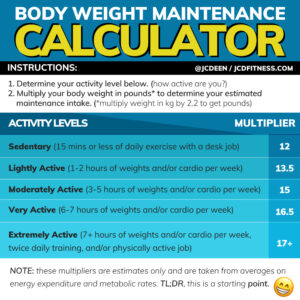
 You can use the chart below to calculate this. Just multiply your weight in pounds by the multiplier in the right-hand column that corresponds with your activity level.

For instance, if you weigh 190 pounds and you are lightly active then you would do the following: 190 x 13.5 = 2,565 cal. Thus your body needs 2,565 calories per day to maintain your current weight. Eating any more than this consistently will cause you to gain weight whereas eating any less than this consistently will result in weight loss.

You must eat at a caloric deficit in order to lose weight.

Note: This is only an estimate. You may be burning slightly more or less calories per day however this will give you a good starting point.


How Many Calories Should I Cut Per Day?

Now that you know how many calories you are burning daily, you can start deciding how many calories you need to cut out in order to lose weight.

While the number of calories required to gain or lose a pound depends on a variety of factors, as a general rule of thumb, you should cut your caloric intake by about 500 calories per day to lose 0.5 lb to 1lb a week. While this is not a perfect calculation, this is a good place to start in order to get an idea of how many calories you need to eat in order to lose weight.

Always remember to stay hydrated if you are going to be cutting your caloric intake by drinking plenty of water.

You should also consult with your primary care provider if you plan on cutting more calories than this or if you notice any concerning symptoms.

How Can I Monitor My Caloric Intake?

Now that you know how many calories you need to eat to lose weight, you need to monitor how many calories you are consuming.

There are several apps and online calculators that will help you do this. 

Tracking your calories creates a sense of awareness and accountability.More importantly, it empowers you to make informed choices about portion size and food selection.

If you would rather not use calculators or apps to help you lose weight and prefer a general guide of what foods you should or should not eat, please reach out to our office directly.


How Can I Cut Calories?

Here are the three effective ways to cut your calories:

1. Cut Out Poor Quality High-Calorie Foods

This one is straightforward. When aiming to cut calories, you must cut down on poor quality high-calorie foods from your diet.These foods typically include processed snacks, sugary drinks, and items high in saturated fats.

You can significantly lower your caloric intake by reducing or eliminating these unhealthy choices. Opt for nutritious alternatives like fresh fruits, vegetables, lean proteins, and whole grains. 

2. Switch to More-Filling Low-Calorie Options

Another effective strategy to reduce caloric consumption is to switch from less-filling high-calorie options to more-filling, low-calorie options.

For instance, instead of reaching for calorie-dense desserts like cookies, pastries, and chips, consider alternatives like fresh berries or nuts like almonds or cashews. Similarly, swap out calorie-rich beverages like soda or sugary juices for water, low-sugar or sugar-free herbal tea, or sugar-free flavored sparkling water.

These substitutions allow you to enjoy satisfying foods and beverages while reducing your caloric intake.

3. Cut Down on Portion Sizes

Cutting down on portion sizes is a practical way to reduce calorie intake without eliminating your favorite foods.

Avoid eating whole portions in one sitting from restaurants. These portions tend to be more than one serving size and can be spread out over multiple days to help keep you at a daily caloric deficit.

Be mindful of how much food you put on your plate, and avoid going for seconds just to feel stuffed.

Paying attention to hunger and fullness cues can help prevent overeating. Remember, it’s not about depriving yourself of food but rather finding a balance that allows you to enjoy your meals while controlling your caloric intake.

4. Know Your Menu Options

We all love to eat out and enjoy the occasional “fast food” restaurant. You don’t have to cut out your favorite restaurants in order to lose weight. You just have to know what your options are and how often you can “splurge” on unhealthy options. Every restaurant, even McDonalds, has low-calorie options. Check out this list here for some of the more popular resturants.

Your goal, if you are going to be eating at these restaurants, is to know what your go-to low-calorie (and hopefully healthier) options are before you even order from there. Pick your top 3-4 restaurants that you frequent and know what your low-calorie options are when you eat from there. This will keep you from going off the menu and ordering unhealthy high-calorie options.

Every once in a while but no more than once a month you can eat an unhealthier option as long as you stay under your caloric goal for the day. You may find that after eating a low-calorie or healthier options that the unhealthier options are no longer appealing to you.


How Can I Curb My Appetite?

Oftentimes, the hardest part of eating less and maintaining a caloric deficit is controlling your appetite. Appetite control can be difficult, especially when your body is used to overeating or consuming more calories than you need.

This can be even more difficult when we factor in such things as busy work/life schedules, readily available low-quality food options, and foods that are designed to make you eat more. 

There are effective strategies that can help you curb your appetite and make healthier choices. Incorporating these 3 habits into your daily routine can help.

1. Eat Low-Calorie Meals that are Filling

This one is also straightforward.

Focus on incorporating fiber-rich foods like vegetables and whole grains. These nutrient-dense options provide volume and help you feel full for extended periods. Including lean proteins like chicken, fish, or legumes can also contribute to satiety.

2. Drink Plenty of Water with Meals

Hydration is important for overall health; drinking water before or during meals can help you feel more satisfied. Staying properly hydrated is important because, at times, the body may mistake thirst for hunger, leading to unnecessary snacking or overeating.

3. Dont Deprive Yourself of food

Cutting calories while keeping your hunger in check can be difficult. As stated earlier, often times the hardest part of eating less is controlling your appetite. One of the worst things you can do when trying to cut weight however is to deprive yourself of food to the point where you are hungry for a significant portion of your day. This can result in such adverse effects as weakness, fatigue, depression, irritability, lightheadedness, nausea, upset stomach, and headache. No one wants to feel any of these let alone more than one of these symptoms at any given time.

No weight loss plan can work unless you find a balance where you can curb your hunger while eating enough and maintaining your motivation to want to continue losing weight. Because of this, it is important to eat at regular intervals throughout the day so that you can continue to maintain satiety/fullness. Even if you aren’t hungry, you should consider eating regularly throughout the day in order to avoid feeling hungry. As you can expect, feeling hungry and irritable is the quickest way to derail your weight loss and cause you to go back to the unhealthy eating patterns that resulted in the weight gain in the first place.

Note: If you are having difficulty curbing your appetite sometimes you may need a little extra help. There are medications that may help control your appetite while you progress towards your weight loss goals. If you would like more information please reach out to our office.


Remember, sustainable and natural weight loss is a journey that requires patience, consistency, and a focus on eating in a way that keeps you at a caloric deficit. While the majority of your weight loss will come from a low-calorie diet, incorporating regular physical activity, getting enough sleep, and managing stress will also help contribute to your weight loss goals.

By making mindful choices when it comes to your food and embracing a lifestyle that supports your weight loss, you can lose the weight and more importantly, keep it off for good.


Dr. Sergio Guiteau is a physician who is board certified in Family Practice and Sports Medicine with added certifications in Aesthetic Medicine. He specializes in Preventive MedicineSports Medicine, and  Anti-Aging Medicine and blogs on rhm.sys.mybluehost.me/website_d5adaba3/blog


Avoid these Food Additives!

If you look closely at the ingredient labels on the food items in your pantry, you will likely find a wide range of food additives. While some additives are generally safe and pose minimal risks to most individuals, others have been associated with negative health effects and are best avoided. In this article, we will briefly cover which food additives to avoid when possible.


What Are Food Additives?

Food additives are substances added to our foods to enhance their taste, appearance, shelf life, and sometimes quality. They are vital in preventing foodborne illnesses, enabling food transportation to remote areas, and helping to lower costs for mass production. While they play a vital role in the foods we consume, it’s essential to recognize that not all food additives are created equal. In fact, some food additives should be limited or even removed from consumption. 


Here are seven food additives you should avoid:


1) Artificial Food Coloring

Artificial food coloring is commonly used to brighten and enhance the appearance of various foods, like candies. It’s a popular way to enhance the visual appeal of dishes, making them more enticing.

Health Effects of Artificial Food Coloring:

Specific artificial food dyes, such as Yellow 5, Yellow 6, Red 40, and Blue 1, have been linked with allergic reactions in some individuals. Excessive consumption has been shown to contribute to hyperactivity in sensitive children and may be linked to ADHD.

Some food dyes like Red 40 contain benzene which is a known carcinogen that has been shown to promote tumor growth in animal studies. More research is needed to fully assess their impact on humans.

To make healthier choices, limit your intake of artificially colored processed foods and opt for naturally colorful whole foods.


2) Sodium Nitrite

Sodium Nitrite is commonly found in processed meats such as deli meat, canned tuna, and sausages. It is a preservative that helps prevent bacterial growth.

Health Effects of Sodium Nitrite

Too much consumption of sodium nitrite has been linked to bladder cancer and other health problems. When exposed to heat, nitrites can convert into nitrosamines which are also known carcinogens. Because of this, you should do your best to reduce your consumption of processed meats when possible. 


3) High Fructose Corn Syrup (HFCS)

HFCS is a highly-refined artificial sweetener derived from corn. It is found in most processed foods like processed bread, flavored yogurt, candy, salad dressings, cereals, soda, juice, candy, breakfast cereals, and canned vegetables. 

Health Effects of HFCS:

Consuming HFCS excessively can lead to weight gain, increased LDL (“bad”) cholesterol levels, the development of diabetes, and overall inflammation. The inflammatory effects of HFCS may cause worsening symptoms for those with such conditions as arthritis, gout, or autoimmune conditions like lupus or rheumatoid arthritis.

Studies have shown that high-fructose corn syrup can contribute to belly fat accumulation which can be an issue for those trying to lose weight. Because of this, you should avoid regular consumption of snacks and foods containing high fructose corn syrup. 

Ideally, you should eliminate or limit your consumption of any sugary sweeteners as many have been linked to a number of deleterious health effects. However, if you do consume sweeteners you should do so in moderation and consider using natural sweeteners like raw sugar, honey, dates, agave, or maple syrup. Unfortunately, however, not all natural sweeteners are considered compltely safe for consumption such as Stevia and Monk Fruit.


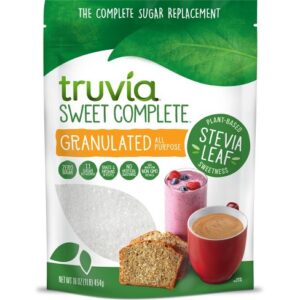
4) Stevia, Truvia, Monk Fruit

Stevia, Truvia, and Monk Fruit are popular natural sweeteners that many people use as alternatives to sugar in their baking and beverages.

Stevia is a natural sweetener derived from the plant  Stevia Rebaudiana. 

Truvia is a commercially produced product from multinational corporations Coca-Cola and Cargill Inc. Because it is derived from Stevia, those corporations have deemed it a natural sweetener.

Monk Fruit is a plant native to Southern China with a sweetness 250 x that of table sugar.

Health Effects of Stevia, Truvia, Monk Fruit:

Recent studies have raised concerns about the specific sugar replacement in products like Monk Fruit, Stevia, and Truvia. One sugar replacement, erythritol, found in these sweeteners, has been associated with stroke, blood clotting, and heart attack. Moreover, Stevia may cause side effects like bloating, nausea, and gas.


5) Sodium Benzoate

Sodium benzoate is a commonly used preservative in salad dressings, pickles, carbonated beverages, and fruit juices. It helps prevent spoilage and fungal growth in meat-related food items like packaged meats.

Health Effects of Sodium Benzoate:

While the FDA generally recognizes sodium benzoate as safe, studies have highlighted some significant side effects. For instance, merging sodium benzoate with artificial food coloring has amplified hyperactivity in young children. Excessive intake of beverages containing this food additive was also shown to be associated with increased symptoms of ADHD in college students. Furthermore, when combined with vitamin C source, this food additive can be converted into benzene, which is associated with the risk of cancer development.

Carefully read food labels and avoid products containing ingredients like benzoic acid or benzene, particularly when combined with vitamin C sources like citric acid.


6) Trans Fats

Trans fats are found naturally in dairy products and meat from ruminant animals like cattle, sheep, and goats. They are also present in synthetic forms in processed foods such as deep-fried fast foods, margarine, and certain baked goods made with partially hydrogenated vegetable oils. These fats enhance flavor and extend the shelf life of food products.

Health Effects of Trans Fats:

Numerous studies have shown that trans fats increase LDL cholesterol (“bad” cholesterol) levels while decreasing HDL cholesterol (“good” cholesterol) levels. This imbalance in cholesterol levels increases the risk of heart attacks, heart disease, and strokes. Trans fats are also associated with increased inflammation and diabetes.

To reduce your intake of trans fats, minimize your consumption of processed foods that contain partially hydrogenated oils such as processed chips, cookies, cakes, pastries, margarine, crackers, and fast foods. Our motto is, if it comes in a bag and you can pop it open and eat it on the go then it most likely has trans fats.

Consider healthier alternatives like whole foods, freshly baked goods, natural fats like butter, and olive or coconut oil.


7) BHA/BHT

Butylated hydroxyanisole (BHA) and butylated hydroxytoluene (BHT) are artificial antioxidants obtained from petroleum. They are widely used as preservatives in various food items, such as cereals, potato chips, chewing gum, and many vegetable oils. The main function of BHA and BHT is to safeguard against color alterations, flavor deterioration, and food spoilage.

Health Effects of BHA/BHT:

Studies have shown that BHA and BHT affect the brain’s neurological system and alters behavior. While these additives are considered antioxidants, they have been shown to form reactive compounds in the body that may actually be carcinogenic.

To minimize exposure to these additives, prioritize whole, unprocessed foods and read food labels carefully.

Tips for Avoiding Unhealthy Food Additives

Here are some practical tips to help you avoid harmful food additives and make informed choices.

1) Prioritize Freshness:

Choose fresh foods in their natural form and vibrant hues and colors. Explore the option of going to your nearby farmer’s market or subscribing to CSA (community-supported agriculture) deliveries so you can obtain fresh produce.

2) Frozen Food Can Be a Good Option:

If fresh foods are not available, frozen fruits and vegetables can be a nutritious alternative. Look for options without any additives or preservatives.

3) Read Food Labels:

Before adding a product to your grocery cart, take a moment to read the ingredient list. Avoid purchasing items with known additives, and be cautious of ingredients that are difficult to pronounce or understand.

The Bottom Line

When making healthy choices in your diet, it’s important to understand that you can’t always avoid certain foods.  Processed foods and food additives are vital for food production and storage. They are everywhere and will be staples in the American diet for the foreseeable future. Eating a processed cookie or potato chip from time to time likely won’t cause much harm. However, you should be aware of what food additives you are eating and how often you are eating them so that you can limit your exposure to harmful additives.

While the Food and Drug Administration (FDA) tries to carefully evaluate and regulate these additives, it is vital that you do your own research in finding out which food additives are safe for you and your family and which ones you should avoid.

As a general rule of thumb, always focus on high-quality natural ingredients and read the food labels when purchasing or consuming any food products.


Dr. Sergio Guiteau is a physician who is board certified in Family Practice and Sports Medicine with added certifications in Aesthetic Medicine. He specializes in Preventive MedicineSports Medicine, and  Anti-Aging Medicine and blogs on rhm.sys.mybluehost.me/website_d5adaba3/blog

 

Hypertension? Eat this not that.

Have you been diagnosed with high blood pressure?

Have you been told that your blood pressure runs a little high?

High blood pressure is a very common condition that unfortunately affects 47% of Americans as of the writing of this article. Controlling your blood pressure will involve making some healthy lifestyle changes. If your blood pressure is high enough then you may need to take medications to help. 

In this article, we will focus on nutrition and more specifically which foods to eat and which foods to avoid to keep your blood pressure in check.


What is High Blood Pressure?

When your heart pushes blood through your arteries, it creates a certain amount of force against the artery walls. This force is what translates into your blood pressure. If your blood pressure stays consistently higher than it should be, you might have high blood pressure, also known as hypertension.

When we talk about blood pressure, we consider both systolic blood pressure and diastolic blood pressure.

Systolic Blood Pressure:

Systolic blood pressure measures the force blood makes on the artery walls when the heart contracts and pumps blood through your vascular system.

Diastolic Blood Pressure:

Diastolic blood pressure represents the pressure in the arteries when the heart is at rest between beats.


What is My Blood Pressure Goal?

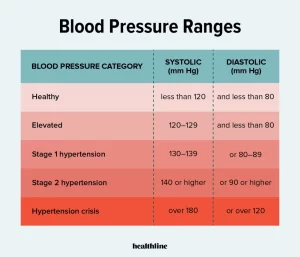
According to the Eighth Report of the Joint National Committee on Prevention, Detection, Evaluation, and Treatment of High Blood Pressure Guideline (JNC 8), adults greater than 60 years old should be treated with blood pressure-lowering medications if blood pressure is greater than 150 (systolic) / 90 (diastolic). Adults less than 60 years old should be treated with blood pressure-lowering medications if blood pressure is greater than 140/90.

Hypertension chart

How Can I Manage High Blood Pressure?

If you have been diagnosed with high blood pressure, you may be prescribed an antihypertensive medication to help lower your blood pressure levels.

However, lifestyle modifications are also important as they can reduce blood pressure, prevent high blood pressure, enhance treatment when used with medications, and decrease adverse cardiovascular risks. Some simple lifestyle modifications include:

  • Maintain a healthy body weight (BMI 18.5-29).
  • Eat a healthy diet, such as the DASH diet.
  • Limit dietary sodium to no more than 2.4 g per day.
  • Practice regular physical activity (at least 30 minutes per day most days of the week).
  • Limit alcohol intake.

The DASH Diet

The Dietary Approaches to Stop Hypertension or DASH diet is specially designed to help people with hypertension manage their blood pressure.

The diet focuses on healthy food sources such as fruits, vegetables, and low-fat dairy and limits sodium, saturated fat, and added sugar.

This diet also provides generous amounts of nutrients such as calcium, potassium, and magnesium, which help to control blood pressure.


Foods you can eat for High Blood Pressure

To maintain a healthy heart and control your blood pressure, focus on a diet thats rich in the following:

  • Fruits such as strawberries, blueberries, oranges, bananas, and apples
  • Vegetables such as cabbage, spinach, and kale
  • Whole grains such as oatmeal and quinoa
  • Low-fat dairy products such as low-fat milk and yogurt
  • Skinless poultry
  • Fish such as salmon and mackerel
  • Nuts such as walnuts and almonds
  • Legumes such as peas, lentils, and beans
  • Vegetable oils such as canola oil

Food to avoid for High Blood Pressure

To keep your blood pressure under control, it is best to limit or avoid the following foods

  • Red meat such as beef and pork
  • Salty foods such as processed meat, salty snacks, pickles, olives, canned soup, cheese, and tomato sauce.
  • Sugary foods and drinks such as prepackaged meals, soda, and fruit juice
  • Alcohol should be limited to one drink per day for women and two drinks per day for men.


High blood pressure is a serious problem, but a healthy diet rich in fruits, vegetables, and whole grains and limited in salt, saturated fat, and sugar can help control and prevent this disease.


Dr. Sergio Guiteau is a physician who is board certified in Family Practice and Sports Medicine with added certifications in Aesthetic Medicine. He specializes in Preventive MedicineSports Medicine, and  Anti-Aging Medicine and blogs on rhm.sys.mybluehost.me/website_d5adaba3/blog
Carpal Tunnel Syndrome, What is it? How can I treat it?

Have you ever noticed tingling or numbness in your fingers? Are you concerned that this may be a carpal tunnel syndrome? 

You may be right. 

Carpal Tunnel Syndrome affects about 5% of Americans and is the most common cause of what we call peripheral neuropathy, today.  Knowing the signs and symptoms so that you can get the best treatment is important.  In addition, knowing how to prevent it is always your best option when dealing with Carpal Tunnel. 


What is Carpal Tunnel Syndrome?

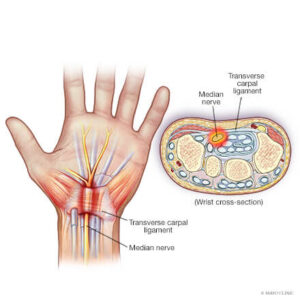
Carpal tunnel syndrome is the numbness and tingling you may experience as a result of inflammation along the palm side of the wrist.  This inflammation occurs in an anatomic space known as the carpal tunnel. This is where several tendons and the median nerve are located. 

The inflammation that occurs is usually secondary to strain or overuse of those tendons which can cause compression of the median nerve within the carpal tunnel. When the median nerve is compressed for long periods of time, it can result in numbness, tingling, and eventually loss of sensation as the nerve begins to die. When symptoms of Carpal Tunnel Syndrome become constant or persistent, you will typically need medical care in order to alleviate this inflammation.


Do I have Carpal Tunnel Syndrome?

Generally, carpal tunnel syndrome presents with numbness and tingling of the hand and fingers. You may notice numbness and tingling of the thumb, pointer, index, and ring finger. You might also notice that the pain is significantly worse at night or when you first wake up in the morning. THis is likely caused by the positions of your wrist when you sleep.  If you perform repetitive work with your hands, including construction work, typing, factory machine work, or cleaning, you are more prone to getting carpal tunnel syndrome.

There are several things you can do right now to see if you have carpal tunnel syndrome.

1) Take your thumb and apply steady pressure to the base of your palm where it meets the wrist. After 30 seconds, if you notice the onset or worsening of numbness and tingling in your hand this is likely a sign of carpal tunnel syndrome.

2 )Bring the back of both of your hands together by flexing your wrists down with your fingers towards the floor. If you notice the onset of numbness and tingling as previously stated then you likely have carpal tunnel syndrome.

Do I need surgery?

Nowadays surgery no longer needs to be the definitive option for carpal tunnel syndrome. However, If you have failed conservative treatment or if you do continue to have the following symptoms below than you may want to consider speaking with an orthopedic hand surgeon. 

Those symptoms include:

    • Prolonged numbness and tingling for at least a year
    • Failed nonsurgical treatment
    • Complete loss of sensation or feeling in the hands

What are Other Options Besides Surgery?

If you believe you may be suffering from carpal tunnel syndrome there are several options besides surgery you can try:

Wrist splints – These provide an excellent alternative for those who have mild symptoms that are irritating but not debilitating. By using wrist splints during activity or when you sleep you can avoid flexing or extending your wrist which will prevent compression of the median nerve. Holding your wrist in a neutral position may also allow any temporary inflammation within the carpal tunnel to heal. These wrist splints can be helpful for carpal tunnel syndrome.

Injections – When performed, the injections decrease inflammation or compression of the median nerve. If done correctly these injections can be painless and will help alleviate your discomfort. It is important to find a practitioner who is experienced in these injections to ensure that you have the best outcome

Physical/Occupational Therapy – This is a good option for those looking for help with exercises and stretches that can possibly help alleviate compression of the median nerve. While therapy may be effective, it usually will not help when performed alone and without other modalities such as wrist splints and injections.

Minimally invasive median nerve release – This is a cutting-edge option. Oftentimes this procedure can be performed in the office and will help alleviate pressure on your median nerve without the need for surgery or general anesthesia. For more information on this procedure please contact our office.

How can I prevent carpal tunnel syndrome?

If you work with your hands and perform prolonged activities such as drilling, hammering, sewing, typing, cooking, or cleaning, you are likely at higher risk of developing carpal tunnel syndrome.

In addition, if you are pregnant or have a medical history of diabetes, thyroid disorder, arthritis, or obesity, you are also at an increased risk of having carpal tunnel syndrome.

If you are in a high-risk group we recommend that you maintain a healthy weight and control any metabolic disorders that you may have. For those who don’t have any significant medical conditions but who do perform activities that may predispose them to having Carpal Tunnel Syndrome, it is important to limit the amount of time you spend on one particular activity at a time.

Just like a baseball pitcher has a pitch count so that he doesn’t overuse and injure his shoulder, you must also control the amount of time that you spend drilling, typing, lifting, or performing a particular activity that may predispose you to carpal tunnel syndrome. For instance, if you spend a lot of time on the computer for a living, you may want to consider switching between typing and other activities such as using the mouse for graphic design or talk-to-text typing. 

Unfortunately, not everybody has the luxury of switching between activities while at work. For those who don’t, you may find it beneficial to wear a wrist splint which will help prevent recurrent flexion or extension of the wrist that may worsen or cause inflammation within the carpal tunnel. Protecting your hands and wrists will go a long way towards preventing any future discomfort and debilitation that can occur for those who experience carpal tunnel syndrome. 

Dr. Sergio Guiteau is a physician who is board certified in Family Practice and Sports Medicine with added certifications in Aesthetic Medicine. He specializes in Preventive MedicineSports Medicine, and  Anti-Aging Medicine and blogs on rhm.sys.mybluehost.me/website_d5adaba3/blog