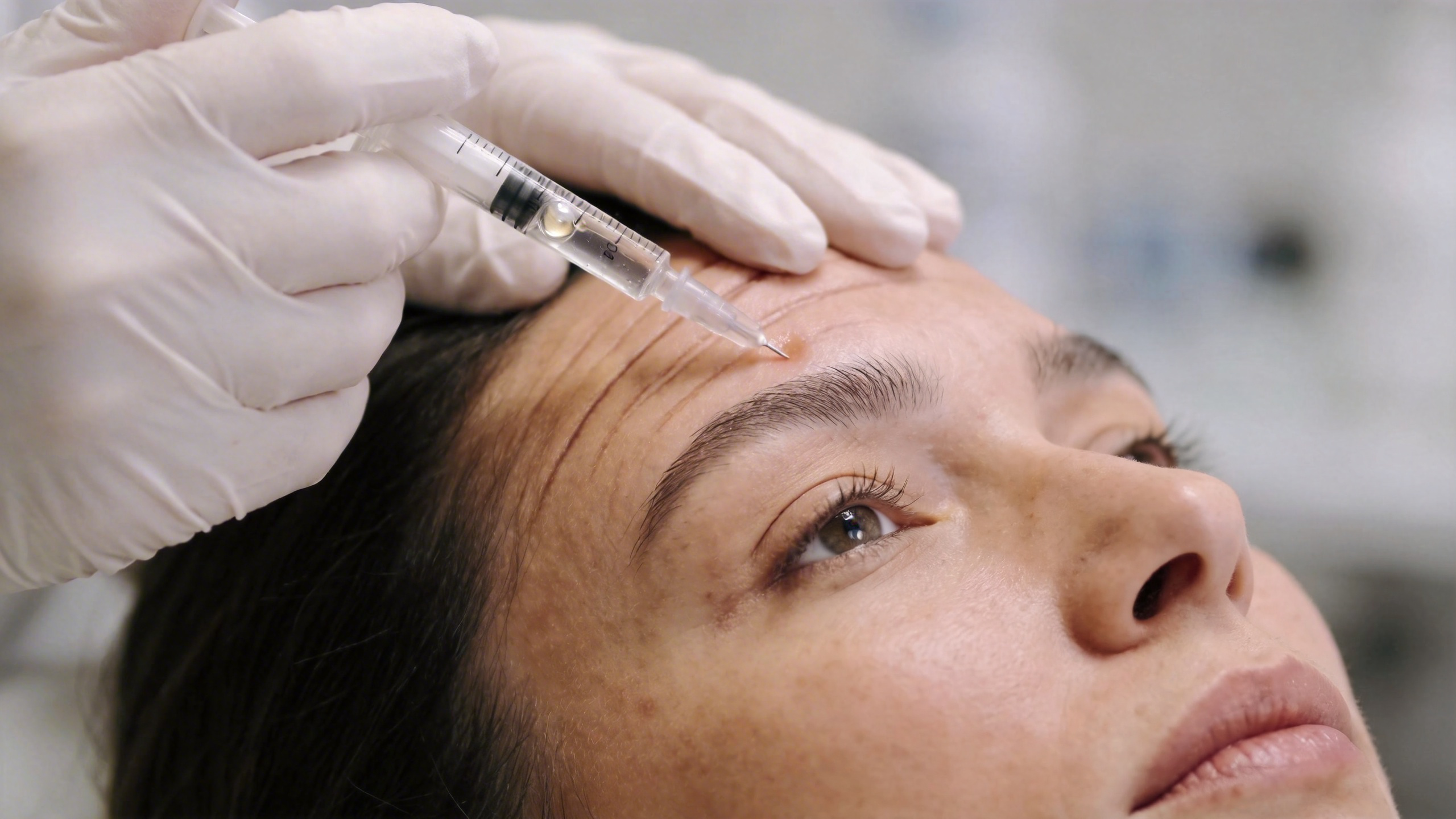
High Cholesterol? Eat this not that.

High cholesterol can be genetic or can occur when you eat too many fatty foods, are overweight, or don’t exercise enough.

Learning which foods to eat and avoid can help you lower your cholesterol and improve your quality of life.

What Is Cholesterol?

Cholesterol is a fatty substance present in the blood. The liver helps make certain cholesterols, which are essential to your health. For example, your body makes cholesterol to form chemical messengers called hormones.

You can also find cholesterol in some foods, including meat, seafood, poultry, eggs, and dairy.

What Are the Main Types of Cholesterol?

When you get your cholesterol checked, the test will measure HDL, LDL, Triglycerides, and Total Cholesterol levels.

Here is what they are and how they work:

  • Low-density lipoprotein (LDL) – This type of cholesterol is what we call a lipoprotein. It is a cholesterol and protein molecule that carries fat to your body’s cells for vital functions. Having too much can lead to serious health problems. This is because having too much LDL in your bloodstream can cause it to aggregate in the walls of your arteries.
  • High-density lipoproteins (HDL) – This is another type of lipoprotein that transports excess fats from the blood back to the liver, where it can be broken down and removed from the body. This is why HDL cholesterols are helpful in lowering cholesterol levels.
  • Triglycerides – This is a type of fat found in your blood. High levels of triglycerides in combination with a high LDL or low HDL can contribute to heart disease.
  • Total cholesterol – This is the total amount of HDL and LDL cholesterol in your blood.

To learn how to interpret these lab levels on your blood work check out this article.

Foods to Avoid if You Have High Cholesterol

The best way to lower your cholesterol is to reduce your intake of saturated and trans fat. This means you should limit your intake of the following foods:

  • Red meat: Beef, Lamb, Pork, etc.
  • Processed meat: Ham, Bacon, Salami, Sausages, Chicken Nuggets, etc.
  • Dairy products made with whole milk: Heavy cream, Butter, Cream Cheese, Full-fat Cheese, etc.
  • Fried food: Egg Rolls, Falafel, Potato Chips, French Fries, etc.

Foods That Can Lower Your Cholesterol

Fighting high cholesterol is not only about cutting foods from your diet but also adding foods that help lower your cholesterol and/or triglyceride levels. Examples of such foods are:

  • Oats: Oatmeal contains soluble fiber. Soluble fiber helps reduce cholesterol absorption into your bloodstream which can lower LDL cholesterol levels.
  • Whole grains: Barley and other whole grains contain soluble fiber and thus, can also help lower LDL cholesterol.
  • Nuts, almonds, and peanuts: These foods contain healthier unsaturated fats and Omega-3 fats that can help lower cholesterol.
  • Beans: These foods are rich in soluble fiber and thus, can also help lower LDL cholesterol.
  • Vegetable oils: Using canola and sunflower instead of high-cholesterol-containing butter and lard when cooking can help lower LDL cholesterol.
  • Extra Virgin Olive Oil: Contain polyphenols that can help lower LDL, increase HDL, and lower triglycerides
  • Fatty fish: Fish is rich in ômega-3 fatty acids, which help reduce triglycerides and protect against heart diseases.
  • Fresh fruits: Apples, grapes, strawberries, and citrus fruits, which are rich in pectin, a soluble fiber that lowers LDL.

A heart-friendly low cholesterol diet should focus on fiber-rich foods, fresh vegetables and fruits, fish, whole grains, nuts, and vegetable oils. At the same time, you should consume less fried foods, processed foods, dairy products, red meats, and fast foods. All of these will help you lower your cholesterol which will also help you avoid such adverse outcomes as heart disease and stroke.

If you are trying to lower your cholesterol or would like to find ways to avoid getting high cholesterol, feel free to give our office a call to find out how we can help.


Dr. Sergio Guiteau is a physician who is board certified in Family Practice and Sports Medicine with added certifications in Aesthetic Medicine. He specializes in Preventive MedicineSports Medicine, and  Anti-Aging Medicine and blogs on rhm.sys.mybluehost.me/website_d5adaba3/blog

Should I Take Vitamin D?

Have you ever wondered if you should take Vitamin D? Have you always taken vitamin D and wondered what the benefits really are? Vitamin D is an essential nutrient that helps our bodies absorb calcium, maintain bone health, and support immune function. It’s often called the “sunshine vitamin” because our skin produces it when exposed to sunlight. However, many people don’t get enough vitamin D from their diet or sun exposure, which is why you might want to consider supplementing with it.

In this article, we’ll explore the benefits, side effects, and recommended dosages for supplementing with vitamin D.

Benefits of Vitamin D:

1) Regulates calcium absorption:

Vitamin D helps our bodies absorb and use calcium, which is essential for strong bones and teeth. Without enough vitamin D, our bones can become weak and brittle, leading to conditions like osteopenia or osteoporosis. This can result in an increased risk of fractures especially in women over the age of 65.

2) Supports immune function:

Vitamin D plays a key role in the function of our immune system. It helps activate immune cells that fight off infections and diseases. Studies have shown that people with low levels of vitamin D are more likely to get sick, especially with respiratory infections like the flu.

3) Reduces the risk of chronic diseases:

Low levels of vitamin D have been linked to an increased risk of chronic diseases like heart disease, diabetes, and some types of cancer. Studies have shown that getting enough vitamin D may help reduce the risk of these diseases.

4) Improves mood and cognitive function:

Vitamin D may also play a role in our mood and cognitive function. Some studies have shown that low levels of vitamin D are linked to depression and cognitive impairment.

5) May help with weight management:

Some studies have suggested that getting enough vitamin D may help with weight management. Vitamin D may play a role in regulating our appetite and metabolism.

Potential Side Effects of Vitamin D 

While vitamin D is important for our health, too much of it can actually be harmful. Overdosing with vitamin D can cause symptoms such as nausea, vomiting, constipation, and depression. These symptoms can be mild or severe depending on the level of vitamin D in the body. In severe cases, vitamin D overdose can lead to an over-accumulation of calcium which can deposit within major organs such as the heart, liver, and kidneys.  Damage to these major organs can lead to a host of other conditions which if not corrected can become permanent.

This is why it’s important to follow the recommended daily dosage guidelines for vitamin D and to also talk to your doctor before taking any supplements.

Who Should Consider Vitamin D Supplementation:

Some groups of people are more likely to be deficient in vitamin D and may benefit from supplementation. These include people with limited sun exposure, older adults, those with darker skin tones, people with certain medical conditions, and those who follow a vegan or vegetarian diet.

Who Should Avoid Taking Vitamin D: 

While vitamin D is generally safe for most people, some individuals should avoid taking vitamin D supplements.

In general, if you have liver or kidney disease you should avoid taking Vitamin D or speak with your doctor before taking this supplement. Also, if you take certain medications, most importantly a class of medications called Thiazide diuretics, then you should avoid taking Vitamin D supplements until you speak with your doctor. People with certain medical conditions such as sarcoidosis, tuberculosis, and lymphoma should also avoid taking vitamin D supplements.

What is the Recommended Daily Intake of Vitamin D:

The National Insitute of Health recommends 600-800 IU per day for most adults. If you have certain medical conditions you may benefit from higher doses in order to maintain adequate vitamin D levels. In our office, we find that despite living in sunny South Florida a fair amount of patients are still vitamin D deficient. Because of this we always recommend our patients speak with us about whether or not they may benefit from vitamin D testing in order to assess whether or not they may be vitamin D deficient.

Vitamin D is an important nutrient that plays a crucial role in our health. While it’s possible to get vitamin D from sunlight and food, supplementation may be necessary for some individuals.  Always remember that too much of a good thing can be harmful, so it’s important to follow the recommended daily intake and be aware of any potential side effects.

Dr. Sergio Guiteau is a physician who is board certified in Family Practice and Sports Medicine with added certifications in Aesthetic Medicine. He specializes in Preventive Medicine, Sports Medicine, and  Anti-Aging Medicine and blogs on rhm.sys.mybluehost.me/website_d5adaba3/blog
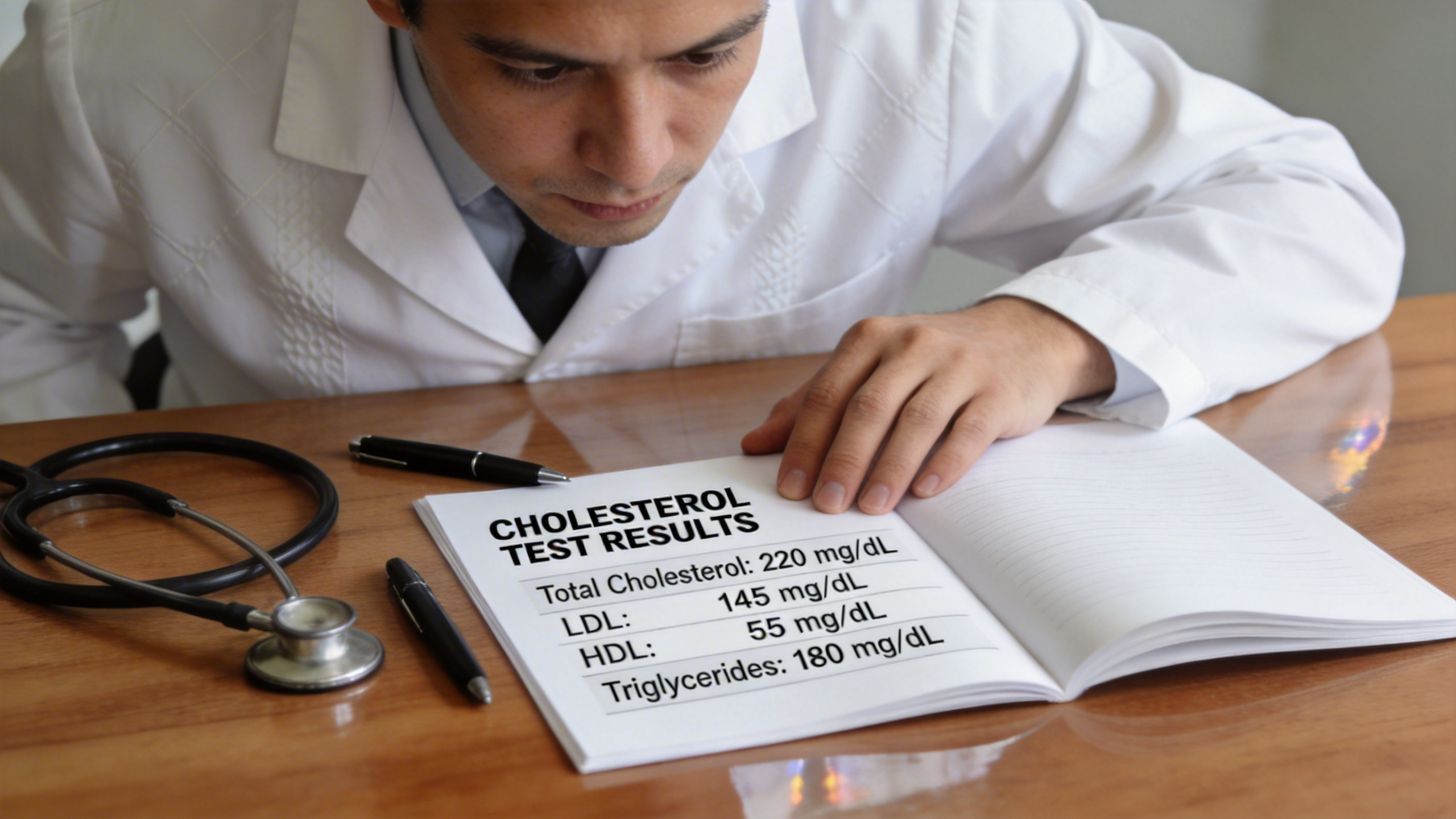
How do I read my cholesterol lab results?

One of the most common questions I often get from my patients is, “How do I read my cholesterol lab results?” Understanding your cholesterol values and how they play a part in your overall health is one of the many things I enjoy explaining. Knowing your cholesterol numbers and how to interpret them will give you a better idea of what changes you need or don’t need to make in regard to your overall lifestyle and diet.

What is a Cholesterol Test or Lipid Panel?

A cholesterol test, also known as a lipid panel, is a blood test used to measure cholesterol and fats in your blood. By analyzing the levels of cholesterol and triglycerides in your blood, a lipid panel test can help determine your risk of developing fatty deposits (plaques) in your arteries. This is a condition known as atherosclerosis.

Persistently high cholesterol levels can result in atherosclerosis. Atherosclerosis can result in significant negative long-term effects such as heart attack and stroke since blood flow to vital organs such as the heart and brain can become compromised.

What Does a Cholesterol Test/Lipid Panel Measure?

The Cholesterol test/Lipid panel measures four main types of cholesterol labs: HDL, LDL, triglycerides, and total cholesterol.

  • High-Density Lipoprotein or HDL level

High-density lipoprotein, or HDL, is a type of cholesterol often called “good” cholesterol. HDL carries excess cholesterol from your bloodstream to your liver, where it can be processed and eliminated from your body. 

High HDL cholesterol levels can help clear out the harmful LDL cholesterol from your arteries. This can help maintain adequate blood circulation to your organs and lower your risk of long-term organ damage from things like heart attack and stroke. 

  • Low-Density Lipoprotein or LDL Level

Low-density lipoprotein (LDL) is commonly called the “bad” cholesterol. LDLs are necessary for carrying cholesterol to your body’s cells for vital functions. However, having too much can lead to serious health problems. This is because having too much LDL in your bloodstream can cause it to aggregate in the walls of your arteries. This can in turn result in the build-up of plaque known as atherosclerosis. Atherosclerosis in your arteries can result in the compromise of blood flow to your vital organs over time.

  •  Triglycerides

Triglycerides are a type of fat found in the body that can be used for energy. When we need energy, our body can utilize these triglycerides much like a car can utilize fuel for energy. When we eat too much food our body can store the extra calories we consume from this food as triglycerides for later use.

Years of research have shown that a high level of triglycerides on a lipid panel test is indicative of a higher risk of heart disease and stroke. 

In addition, certain factors like uncontrolled diabetes, obesity, excessive alcohol consumption, and a high-calorie diet can all contribute to increased levels of triglycerides in your body.

  • Total Cholesterol

Total cholesterol is the sum of all types of cholesterol circulating in your bloodstream. It is calculated using the following formula:

HDL + LDL + 20% of triglycerides = total cholesterol

Knowing your total cholesterol level is important in assessing your overall risk for heart disease and other cardiovascular issues.

How do I interpret my cholesterol lab result numbers?

The normal range of cholesterol lab values described above are as follows:

Note that these are general guidelines, and individual optimal levels may vary depending on various factors such as age, gender, family history, and overall health.

  • HDL, LDL, and Total Cholesterol Test Results (mg/dl)

Types of Cholesterol

Healthy Range

At Risk

Dangerous

HDL

60 and higher

40 to 59 (male)

50 to 59 (female)

Under 40 (male)

Under 50 (female)

LDL

Under 100

100 to 159

160 and higher

Total Cholesterol

Under 200

200 to 239

240 and higher


  • Trygliceride Test Results (mg/dl)

Age Optimal Low Risk  Normal Risk High Risk Dangerous
0-9yr Below 75 75-99 >99
10-18yr Below 90 90-129 >129
>19yr Below 100 100-129 150-199 200-499 >499

What do the cholesterol lab values mean for my overall health?

Patients often ask me how to interpret their cholesterol lab results and if they should be worried about any elevated lab values.

The best way to know for sure if these lab values should be a cause for concern is to speak with a qualified medical provider. We can review your cholesterol values in relation to your lifestyle and any other medical conditions you may have to determine whether you should be concerned.

In addition, The American College of Cardiology/American Heart Association has developed a calculator known as the (ACC/AHA) CV Risk Calculator (2013) that may help predict your 10-year risk of heart attack, stroke, or death from cardiovascular disease.

While helpful, this calculator has several limitations and should only be used in conjunction with a discussion of your cholesterol lab results and risk factors with your doctor.

High cholesterol often has no symptoms, and regular testing is necessary to catch it early. If you are concerned that your cholesterol lab results are above the normal range and you would like to discuss them further,  give our office a call to schedule a time to discuss them.

Dr. Sergio Guiteau is a physician who is board certified in Family Practice and Sports Medicine with added certifications in Aesthetic Medicine. He specializes in Preventive Medicine, Sports Medicine, and  Anti-Aging Medicine and blogs on rhm.sys.mybluehost.me/website_d5adaba3/blog
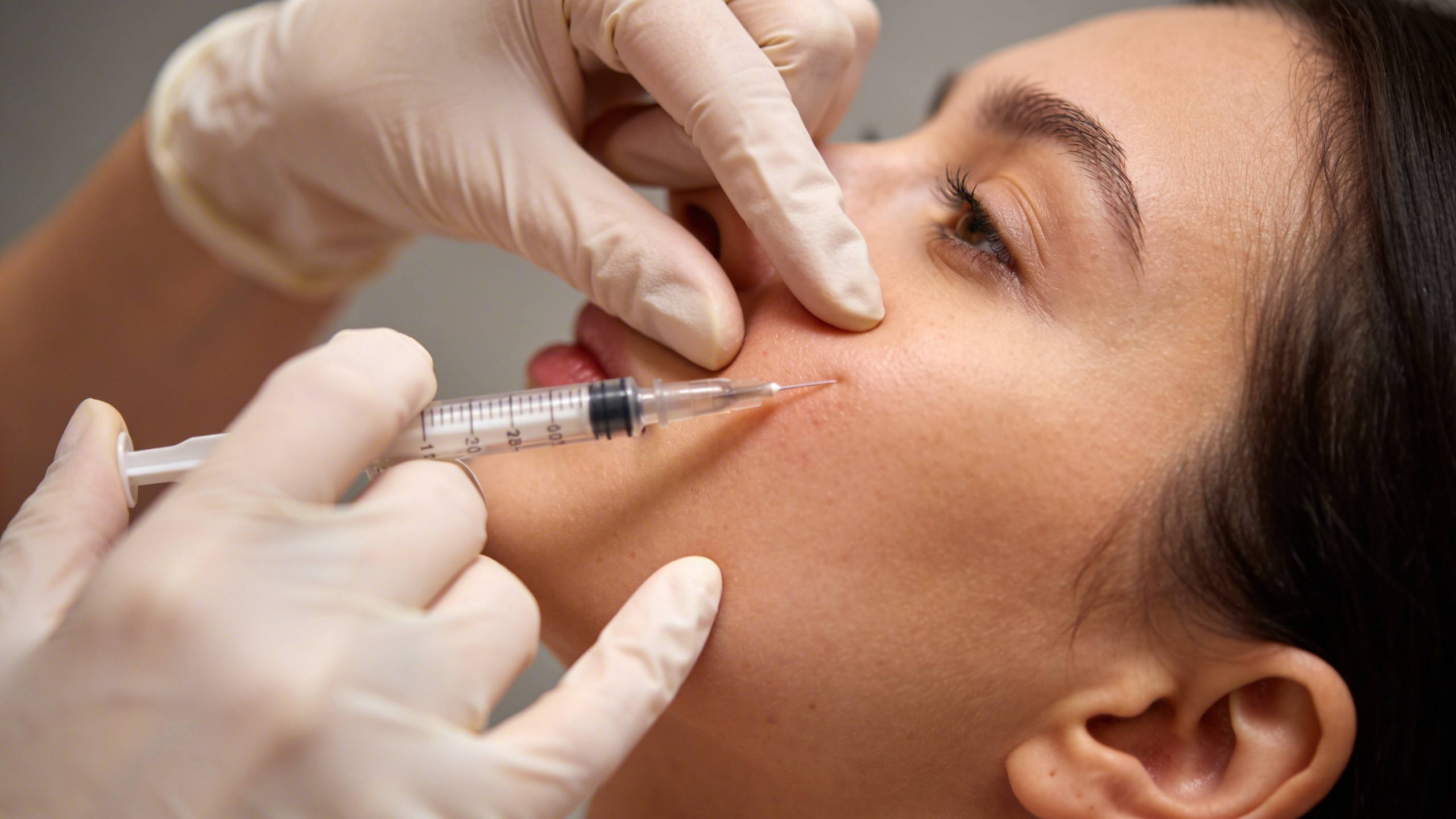
Ozempic and Wegovy for Weight Loss

What are Ozempic and Wegovy?


Ozempic and Wegovy (Semaglutide) are injectable medications that are used with diet and exercise to treat type 2 diabetes in adults. They both lower blood sugar levels by stimulating the secretion of insulin and reducing the secretion of glucagon. When blood sugar rises, insulin is secreted to lower blood sugar while glucagon causes the release of your body’s stored sugar into the bloodstream. Ozempic and Wegovy prevent both of these from happening. In addition, these drugs cause your body to release the hormone GLP-1. This hormone is known to play a role in satiety and also slows down your body’s digestive system which can also make you feel more full.

While Ozempic is not approved by the Food and Drug Administration (FDA) for weight loss, Wegovy is. Wegovy is approved for people with a Basal Metabolic Index (BMI) of greater than 30. It is also approved for people with a BMI of at least 27 and at least 1 comorbid condition such as hypertension or high cholesterol. In fact, at least two studies that observed A1C levels in diabetics found that adults who used Semaglutide lost up to 14 pounds. 

What side effects can occur with Ozempic or Wegovy?


Semaglutide is generally well-tolerated by many people. However, if you have had a previous allergy to Semaglutide or a personal or family history of certain thyroid cancers then you should generally avoid Semaglutide.

The most common side effects include

  • nausea
  • vomiting
  • diarrhea
  • stomach pain
  • constipation

Pancreatitis, low blood sugar, kidney damage, and gallbladder disease are more serious but rare side effects.

In addition, some people experience “Ozempic face”, which is the term used to describe facial sagging that results from rapid weight loss. This can occur with both Ozempic or Wegovy.


What is the difference between Ozempic and Wegovy?


Ozempic and Wegovy are both Semiglutide made by the pharmaceutical company Novo Nordisk. They are both injectable medications that are taken weekly. The main difference is that Wegovy is dosed slightly higher than Ozempic and is also FDA-approved for weight loss. The use of Ozempic for weight loss, as of the publication of this article, is still considered “off-label”.


Are these medications covered by my insurance for weight loss?


In general, Ozempic is not covered by your insurance company for weight loss as it is not FDA-approved for weight loss. Wegovy may or may not be covered depending on your type of insurance. Both Medicare and Medicaid do not cover Wegovy as of the publication of this article. In addition, the out-of-pocket cost for Wegovy or Ozempic is generally more than $500 and can be as high as $1500. You may be able to check your insurance plans coverage for Wegovy by searching here.


While we have prescribed Ozempic and Wegovy for weight loss, our office generally recommends that you couple these medications with diet and exercise. Traditionally, we have found that these medications work best and patients maintain their weight loss for a longer period of time when they also incorporate a healthier lifestyle. If you have any questions about Ozempic, Wegovy, or any other weight loss medication, feel free to reach out to our office for more information.


Dr. Sergio Guiteau is a physician who is board certified in Family Practice and Sports Medicine with added certifications in Aesthetic Medicine. He specializes in Anti-Aging Medicine and blogs on rhm.sys.mybluehost.me/website_d5adaba3/blog

All About Dermal Fillers

Have you ever thought about removing wrinkles around the mouth or deep creases underneath your eyes? What about improving thin lips that have lost their volume? It’s no secret that our youthful appearance diminishes as we get older. That’s because our skin starts to lose its elasticity and plumpness as we age. This will eventually result in fine lines, wrinkles, hollows, and folds. While there is no anti-aging cure (yet), there are methods to help us get back more youthful-looking skin. One way is by injecting dermal fillers. 


What are dermal fillers?


Dermal fillers are gel-like substances that are injected beneath the skin to restore lost volume, smooth lines, soften creases, and enhance facial contours. Nowadays they are becoming more popular than ever, with more than one million people each year choosing this type of minimally invasive, nonsurgical cosmetic procedure. 

Dermal fillers are injected underneath the skin to help improve many signs of aging by:

  • Smoothing out fine lines around the mouth and nose
  • Adding volume to hollow cheeks and sometimes hollow areas under the eyes
  • Erasing vertical lip lines
  • Plumping the lips
  • Softening facial creases 
  • Enhancing facial symmetry


What types of dermal fillers are available?

There are several different dermal filler products that are approved by the U.S. Food and Drug Administration (FDA). These products are classified by the type of substance they are made from. You should always make sure you are receiving FDA-approved, brand-name fillers, which are only available through a licensed physician.

Types of dermal fillers include:

Hyaluronic Acid (HA)

Hyaluronic acid is a type of sugar that is found naturally in the body, including the skin, eyes, and joints. While HA keeps our joints cushioned and lubricated, it also helps keep our skin soft, hydrated, and bouncy. This type of dermal filler typically produces results that last between 6 and 12 months, and sometimes up to 18 months. The body will eventually absorb the HA filler. Juvéderm®, Restylane®, Belotero ®, and Revanesse® are just a few of the HA fillers that are approved by the FDA.


Calcium Hydroxylapatite (CaHA)

Like HA, calcium hydroxylapatite is found naturally in the body, particularly in the bones. This type of dermal filler, which can also help the body build new collagen, consists of a smooth gel containing calcium particles. Results are expected to last about a year. One FDA-approved CaHA filler is Radiesse®. These fillers last on average about 12-18 months. While they can stimulate new collagen which can improve volume over time, the body will eventually absorb CaHA filler.


Poly-L-lactic Acid

Poly-L-lactic acid has been around for quite some time and has been used in dissolvable stitches and other medical devices. Although Poly-L-lactic acid is a synthetic substance, it is deemed safe for use in the body, and it breaks down naturally. Commonly known as a “collagen stimulator,” this type of dermal filler helps your body build more collagen. Results do not appear right away, and you may need more than one treatment to get the results you want. However, the good news is that once you achieve your desired results, they can last for more than two years. Sculptra®  is an FDA-approved Poly-L-lactic acid filler.


Polymethylmethacrylate (PMMA)

Like Poly-L-lactic acid, polymethylmethacrylate is a synthetic substance that is safe to use in the body. In fact, it has been used in medicine for the last 100 years. However, the body does not absorb these fillers, which take the form of tiny beads contained in a solution. This type of dermal filler also contains collagen. PMMA is often used as a more permanent solution, as it remains underneath the skin indefinitely. However, it may take a few months before you see the full effects. Bellafill® is an FDA-approved PMMA filler.


What risks and side effects are associated with dermal fillers?

As with any medical procedure, dermal filler injections are associated with some risks and side effects. Some dermal filler injection side effects are mild, but others may be severe or persistent. Mild side effects include:

  • Bruising
  • Redness
  • Swelling
  • Pain
  • Tenderness
  • Itching
  • Rash


The most severe side effects can occur from the accidental injection of dermal filler into a blood vessel. Although the chances of this are low, this can result in tissue death, stroke, or blindness depending on the area and artery injected. To avoid these complications, make sure you choose a provider who is experienced in using these products as well as someone who is well aware of facial, head, and neck anatomy. 

If you develop any of the above side effects seek medical care immediately. 


How do you determine which dermal filler is right for you?

There are many dermal filler products available, and your provider will help you choose the one that is right for you. Each product is designed with a certain substance, texture, density, and injection depth. One dermal filler may work better for one area while another dermal filler may work better for a different area. For example, Juvederm® Ultra may be used as a lip filler while Restylane® Lyft is used to enhance the cheeks.


If you would like to maintain your youthful-looking appearance, dermal fillers may be an option for you. If you would like to learn more, give our office a call.


Dr. Sergio Guiteau is a physician who has certifications in Aesthetic Medicine and is board certified in Family Practice and Sports Medicine. He specializes in Anti-Aging Medicine and blogs on rhm.sys.mybluehost.me/website_d5adaba3/blog


Platelet Rich plasma (PRP)

The human body has a natural ability to heal itself. For example, when we get sick, our immune system kicks in to help fight off the infection. When we get a cut, our blood clots to stop the bleeding. The cut and scarring usually go away within a few days or weeks. Sometimes, however, our bodies may need a little extra boost to heal faster and more effectively. That’s where platelet-rich plasma comes into play. 


Platelet-rich plasma is a form of regenerative medicine that can enhance the natural growth factors that the human body uses to heal itself. Plainly speaking, platelet-rich plasma, or PRP, may help activate and speed up the body’s healing process. 


What is Platelet Rich plasma?


Platelets are responsible for blood clotting, but they also activate the production of cells and the repair of tissues. Platelet-rich plasma is a concentration of your own platelets. These platelets can be then be injected into certain areas of the body to enhance the healing process.


How are PRP injections prepared?


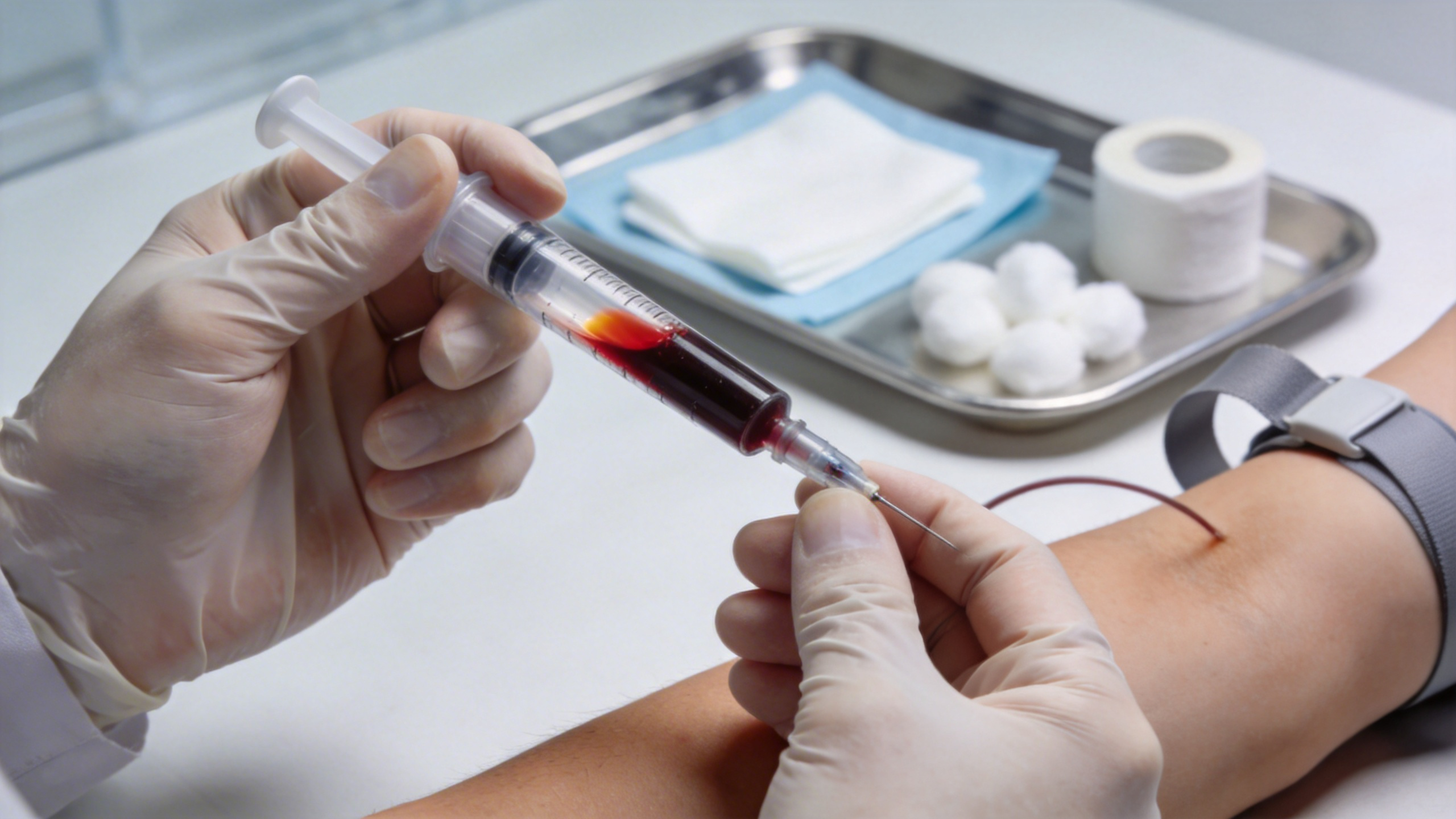
First, a sample of your blood is taken. Next, the blood spins in a centrifuge so that the platelets can separate from the other components of the blood and become concentrated. Lastly, the concentrated platelets are then injected into the injured tissue of the body where growth factors are released and more reparative cells can be stimulated.


What are the benefits of PRP injection therapy?


PRP injections have gained recognition for their use in treating a variety of conditions, from sports injuries to hair loss to skin rejuvenation.


  • PRP for hair loss

Many men and women suffer from hair loss. PRP injections may be effective at preventing hair loss and aiding in new hair growth by stimulating the cells important for hair growth. One systematic review reported that 84% of the studies saw a positive effect of PRP for androgenetic alopecia (hair loss with aging) compared to control groups. Among those, 50% of the studies saw a significant improvement. While PRP for hair loss seems promising, more research is needed in order to specify what concentrations or formulations of PRP are most effective at stimulating hair growth.

https://youtu.be/c1reTLs1Bio


  • PRP for pain

Tendon, ligament, muscle, and joint injuries can cause pain and can take a long time to heal. PRP injections may be added to your treatment regimen to help enhance healing. This can decrease pain and help you return to your normal activities sooner. One meta-analysis of randomized controlled trials reported that “PRP injections were associated with better pain relief and functional outcomes” in patients with common shoulder diseases. Another study suggested that PRP injections may improve the symptoms of osteoarthritis of the knee joint. 

https://youtu.be/cQpm5qGJ6Ik


  • PRP for skin

PRP injections are sometimes used to help rejuvenate wrinkled aged skin. PRP works to stimulate collagen and other growth factors that can help rebuild and repair damaged tissue. Because of this, PRP has been used to improve skin texture and decrease fine lines and wrinkles that may come with age. At this time, however, more studies are needed in order to determine the efficacy of PRP for skin rejuvenation. 


What are the side effects of PRP therapy?


PRP injections are made of your own cells and blood, so the risk of adverse reactions is lower than if using other injectable medications. However, some rare but important side effects to be aware of include:

  • bleeding
  • tissue damage
  • infection
  • nerve injuries


The Takeaway


Studies have shown that PRP can be beneficial in the treatment of certain conditions.

However, more research is needed in order to better understand the mechanisms behind how PRP contributes to tissue regeneration as well as the concentration of platelets that can result in the most adequate regeneration.

Also, while the equipment used to produce PRP and the injections themselves have been cleared by the FDA, PRP itself is still considered investigational. Because of this, most insurance carriers do not cover this procedure. 


If you are interested in receiving PRP injections, be sure to discuss the benefits and risks with your doctor and inform them of any questions or concerns you might have.

Dr. Sergio Guiteau is a physician who has certifications in Aesthetic Medicine and is board certified in Family Practice and Sports Medicine. He specializes in Anti-Aging Medicine and blogs on rhm.sys.mybluehost.me/website_d5adaba3/blog
 

IV Vitamin Therapy, Is it for you?

What is intravenous (IV) therapy?

If you’ve ever been to a hospitalthen you’re probably familiar with the bags that hang from a pole and connect to the arm. IV therapy is a way to deliver fluids and medications directly to the bloodstream through a vein. This method of delivery is especially beneficial for people who cannot take medications by mouthIn addition, IV nutrition is traditionally used to deliver nutrients to patients who are unable to eat or absorb nutrients due to an illness.

Today, however, vitamin infusions are being administered outside of the hospital setting more commonly. From medical spas to hydration rooms to integrative medicine offices, IV vitamins are being seen as a way to infuse “wellness.”

What is IV vitamin therapy?

IV vitamin therapy, also called intravenous micronutrient therapy or hydration therapy is used to deliver high concentrations of vitamins and minerals directly to the bloodstream. This allows faster absorption of vitamins and nutrients by the body’s cells than if delivered through food or oral supplements.

IV Vitamin therapy has recently become a wellness trend, claiming to improve a number of ailments. If you have been thinking of trying it out yourself you are not alone. The amount of people who have received outpatient IV nutrition has grown dramatically over the last few years.

People have used IV’s to help with some of the following:

Cure hangovers

Improve skin complexion

Help with weight loss

Help with chronic pain

Improve fitness performance and recovery

Improve focus

Boost immunity

Boost libido

Boost energy

What’s on an IV vitamin menu?

The concept of IV vitamin therapy is that delivering specially formulated cocktails of nutrients, vitamins, electrolytes, and antioxidants intravenously can help replenish, restore, and detoxify your body more efficiently. These vitamins often contain mixes of such things as vitamin C, B vitamins, glutathione, electrolytes, and saline.

One popular IV item includes Myers’ cocktail. This mixture contains high doses of B vitamins, vitamin C, and minerals such as magnesium and calcium.

The vitamins and minerals in Myers’ Cocktail are beneficial in the following ways:

B vitamins:

Vitamins B1, B2, and Bare associated with energy conversion and healthy skin and hair.

Vitamin B5 is also associated with energy conversion.

Vitamin B6 helps convert tryptophan to serotonin which is associated with sleep, appetite, and mood.

Vitamins B9 and B12 are important for making new cells.

Vitamin C:

Vitamin C, also known as ascorbic acid, is an antioxidant that can boost the immune system and prevent cell damage.

Magnesium and Calcium:

Magnesium and calcium are important for many of the body’s functions including muscle contraction, blood clotting, blood pressure regulation, and the building of bones and teeth.

Does IV vitamin therapy actually work?

Most of the evidence we have is anecdotal, which means that it’s based on people’s personal experiences. There are few studies out there that have tested the effectiveness of IV vitamin therapy. 

One non-blinded outcome study of 43 asthma patients showed that IV nutrient therapy may be beneficial for acute and chronic asthma. A randomized, double-blind, placebo-controlled pilot study of 34 adults with fibromyalgia syndrome (FMS) concluded that most patients had relief from FMS compared to baseline after being treated with IV micronutrient therapy. 

Although IV vitamin therapy can potentially help to improve a variety of health conditions and ailments, more studies really are needed to demonstrate its full efficacy. That’s why it’s important to talk to your doctor before you receive IV vitamin therapy to see if it may be of benefit for you.

If you have any questions about IV vitamin therapy or are curious to know if it might help you, feel free to give our office a call.

Dr. Sergio Guiteau is a physician who has certifications in Aesthetic Medicine and is board certified in Family Practice and Sports Medicine. He specializes in Anti-Aging Medicine and blogs on rhm.sys.mybluehost.me/website_d5adaba3/blog

The Benefits of Fish Oil

Have you been curious about what the benefits of fish oil actually are?

Have you wondered whether or not it’s even worth taking fish oil?

Fish oil is rich in omega-3 fatty acids. This is associated with many bodily functions and preventive health benefits. 

Let’s take a look at what fish oil really even is and what are the benefits of supplementing with fish oil.

What is fish oil and where is it found?

Fish oil is the fat or oil found in the tissue of oily fish like salmon, herring, tuna, anchovies, and mackerel. Mammals such as humans cannot naturally produce the components found in fish oil. Because of this, eating enough fish or taking fish oil supplements can help you obtain an adequate amount of omega-3 fatty acids.

Omega-3 fatty acids are important components of cell structure and also have a key role in fat metabolism. In fact, research is ongoing in trying to better understand the importance of Omega-3 fatty acids in such things as metabolism and healing. 

What are the components of fish oil?

Fish oil contains the omega-3 fatty acids, eicoapentaenoic acid (EPA) and docosahexaenoic acid (DHA), both of which have health benefitsStudies have shown that EPA and DHA are important for proper fetal development, including neuronal, retinal, and immune function. EPA and DHA likely also have positive effects on inflammation, heart health, and cognitive function.

What are the health benefits of fish oil?

Fish oil may be associated with several health benefits, including a decrease in the following:

  • Inflammation
  • Blood pressure
  • Triglyceride levels in the blood
  • LDL (bad) cholesterol

Omega-3 fatty acids may also lead to an increase in HDL (good) cholesterol and improvements in joint pain and stiffness.

What are the side effects of fish oil supplements?

Fish oil supplements generally do not cause any harm if taken as recommended; however, they can cause side effects including a fishy aftertaste, heartburn, nausea, diarrhea, and rash. High doses of fish oil may increase the risk of bleeding. 

What are some possible interactions with fish oil?

Taking fish oil supplements can interact with certain medications.

Taking fish oil supplements with anticoagulants, antiplatelets, herbs, or certain other supplements can increase your risk of bleeding.

Low blood pressure may occur if you take fish oil supplements with blood pressure medications.

Some birth control medications may reduce fish oil’s effect on triglycerides.

Orlistat (Xenical, Alli), a weight loss medication, may actually decrease the absorption of fish oil. Therefore, it’s recommended to take Orlistat and fish oil two hours apart.

Always ask your health care provider if you’re unsure whether or not you take any of these types of medications.

How much fish oil should be taken daily?

The recommended daily consumption of combined EPA and DHA is 250-500 mg. Before you buy fish oil supplements, be sure to look at the label on the bottle to see how much EPA and DHA is provided.

In summary

Fish oil is important for many functions of the body and may be associated with many health benefits. Before you take fish oil supplements, be sure you talk to your doctor about your medications, allergies, health problems, and pregnancy or breastfeeding status. Also, be sure to look at the label on the bottle to determine how much EPA and DHA is provided.

As always, be sure to talk to your health care provider before taking any new supplements.

Dr. Sergio Guiteau is a physician who has certifications in Aesthetic Medicine and is board certified in Family Practice and Sports Medicine. He specializes in Anti-Aging Medicine and blogs on rhm.sys.mybluehost.me/website_d5adaba3/blog

What you should know about PDO thread lifts

Aging is a part of life; there’s no escaping it. As we get older, our skin becomes thin, weak, and saggy. The good news is that we can get a facelift for a more youthful appearance without going under the knife. How? Three words—polydioxanone (PDO) thread lift.

What is a thread lift?

A thread lift is a minimally invasive cosmetic procedure involving dissolvable sutures that help lift the skin of the face and neck to provide firmer, younger-looking skin.

During a thread lift, the cosmetic surgeon stitches up parts of the facial skin rather than using surgery to remove the saggy skin. The threads pull the skin back, giving the face a more tightened and lifted appearance.

What are PDO thread lifts?

PDO threads are a type of suture that are commonly used in thread lift procedures. They differ from the other types of sutures, polylactic acid (PLA) and polycaprolactone (PCA), in that they are made from a dissolvable polyester. In addition, PDO threads are the oldest of the three, having been introduced for use in surgical procedures in the 1980s.

PDO threads are further broken down into three subtypes:

  • PDO mono threads are smooth sutures. These threads help improve the skin by stimulating the production of collagen, the protein responsible for strengthening our skin and giving its elasticity.
  • PDO cog threads consist of barbs that attach to the skin to help lift the face.
  • PDO screw threads consist of two threads that are intertwined and help instill volume into the sunken areas of the facial skin.

In general, PDO threads can be used to lift most areas of the face where signs of aging are typically noticeable, including around the cheeks, jaw, neck, and eyes.

How long can they last?

2019 study found that patients saw an improvement in saggy skin immediately after the procedure. The improvements were noticeable up to one year.

In another 2019 study, a surgeon who’s performed thread lifts for 16 years says that he has seen results last up to 9 years, “depending on the age and health of the patient, the degree of skin laxity, the thickness of the skin, and the adequacy of facial volume.” Younger people with adequate skin volume and thicker facial skin can experience results that last 3 to 4 years. Older people whose skin has lost its elasticity, volume, and tightness may only experience improvements for one to two years.

What are some complications of PDO thread lifts?

You should avoid alcohol and tobacco products for 5 days or longer before your thread lift procedure. We also recommend that you avoid taking certain medications and herbals that may increase your risk for bleeding (ibuprofen, aspirin, fish oil etc.) for at least 5 days before your thread lift procedure.

Complications can include:

  • Sutures that are visible in the skin
  • Pain
  • Bruising
  • Infection
  • Snapping of the threads
  • Hair loss
  • Inflammation
  • Skin dimpling
  • Injury to the salivary gland
  • Blood accumulation

Most of these rare complications can usually be resolved.

What is the process of getting PDO thread lifts like?

The following are the general steps you will experience when getting PDO thread lifts:

  1. While seated in a recliner, your face will be disinfected with alcohol. Local anesthetic will be administered under your skin using a needle.
  2. A small incision will be made with another needle. A cannula will then be inserted into the incision.
  3. The thread will be anchored into place. The cannula will be removed from the incision.
  4. After removal of the cannula,  the thread will then be cut.

The procedure generally takes about 45 minutes, and you can go home shortly afterwards.

What is the recovery and care after a PDO thread lift.

You may develop some swelling and bruising for the first one to two days, but you can resume most of your normal daily activities shortly after the procedure. Try not to rub your face the week after your procedure to prevent a thread from loosening under the skin. In addition, you should not pursue your lips, smoke, or drink through a straw for the first few weeks after the procedure. Avoid sleeping on your side, strenuous activities, or saunas for the first 1 or two weeks.

In summary…

A PDO thread lift is a procedure that can help improve the appearance of aging and saggy skin.

Need a lift? Contact us today!

Dr. Sergio Guiteau is a physician who has certifications in Aesthetic Medicine and is board certified in Family Practice and Sports Medicine. He specializes in Anti-Aging Medicine and blogs on rhm.sys.mybluehost.me/website_d5adaba3/blog

Botox for Wrinkles

Have you thought about Botox for wrinkles?

Are your wrinkles bothering you?

Do you feel as if your wrinkles make you look tired or older?

We get it. Who doesn’t want perfectly smooth and youthful-looking skin?

Unfortunately, wrinkles are a natural part of aging. As we get older, our skin loses its elasticity and becomes drier. This will eventually result in wrinkles around our eyes, forehead, cheeks, and lips. In addition, we also have to deal with other factors that damage our skin over time. These include things like exposure to ultraviolet (UV) light, smoking, and even the normal wear and tear on our skin from repeated facial expressions. Because of this, Botox and other similar neurotoxins are a great way to help prevent and even remove some of these unwanted signs of aging.

What is Botox?

Botulinum toxin, commonly known as Botox, is a potent neurotoxin protein. It is produced from a type of bacterium known as Clostridium botulinum. Today, neurotoxins in the US are available under the brand names Botox, Dysport, and Xeomin. All 3 of these products essentially work to reduce wrinkles using the same mechanism.

How does Botox work?

Botox inhibits the release of acetylcholine at the neuromuscular junction. This means that it blocks certain nerve signals that lead to muscle contraction. Injection of small quantities of botulinum toxin into specific overactive muscles can cause these local muscles to relax. This eventually results in a smoothing out of the overlying skin and eventually a reduction of wrinkles.

What kinds of wrinkles can Botox injections be used for?

Botox can temporarily improve the appearance of:

  • Frown lines between the eyebrows
  • Crow’s feet lines
  • Forehead lines

What can you expect with Botox injections?

Before you receive your Botox cosmetic injection, your provider may apply a numbing cream to the area of injection. We generally do this as a standard at our office as we like to avoid any discomfort during the procedure. Botox will then be injected into the specific facial muscles that cause age-related wrinkles. You should start to see an improvement in the appearance of your wrinkles and fine lines within a few days. Results are best seen after a period of 10-14 days. The effects of Botox generally tend to last approximately 6 months.

What are the possible side effects of Botox Cosmetic injections?

You should always consult with your medical provider to see how botox may affect you given your particular medical history. However, rare side effects can include, dry mouth, dry eyes, swelling, vision problems, drooping eyebrows, headache, and fatigue. Again, these are all rare complications and should be discussed with your medical provider.

Wrinkles are inevitable. The sooner you start taking control of your wrinkles, the easier it will be to manage the signs of aging.

Call us today to schedule a consultation.

Dr. Sergio Guiteau is a physician who has certifications in Aesthetic Medicine and is board certified in Family Practice and Sports Medicine. He specializes in Anti-Aging Medicine and blogs on rhm.sys.mybluehost.me/website_d5adaba3/blog