How Can I Lose Belly Fat?

What Is Belly Fat?

Belly fat, also known as abdominal or visceral fat, is the fat stored around the midsection. There are two main types.

Subcutaneous fat: Just beneath the skin, this is the fat you can pinch.

Visceral fat: Deeper within the abdominal cavity, this fat surrounds internal organs and is more strongly linked to metabolic disease.

While some belly fat is normal, excessive accumulation, especially of visceral fat, can increase your risk of heart disease, type 2 diabetes, and certain cancers.

What Makes Belly Fat Unique and Why Is It So Stubborn to Remove?

Belly fat is hormonally active and responds differently to stress, diet, and exercise than fat in other parts of the body. It’s often resistant to change because of several factors. For one, Cortisol, the stress hormone, tends to promote fat storage in the abdominal region. When stress is high then cortisol also increases. This makes it harder to loose weight around the mid section. Also as we get older, shifting hormone levels (especially in men and postmenopausal women) make fat loss harder. Lastly, Fat cells in the abdominal area have more beta-receptors, which inhibit fat burning, making them less responsive to lipolysis (the breakdown of fat).

Can I Only Reduce Belly Fat?

The short answer is no. Spot reduction, is a common myth and suggests that you can target fat loss in specific areas with focused exercises.

This is how a lot of fitness influencers and companies marketed their products in the late 90’s and early 2000’s.  Unfortunately, fat loss doesn’t work that way. You lose fat systemically, and where it comes off first or last depends on genetics, hormones, and metabolism. However, you can improve abdominal tone and reduce overall body fat to shrink your waistline and flatten your belly over time.

How Do I Avoid Belly Fat?

Preventing belly fat requires a multi-faceted approach:

  1. Eat whole, minimally processed foods high in fiber and protein, and low in added sugars.
  2. Avoid sugar-sweetened beverages and refined carbs.
  3. Move more throughout the day—not just in the gym.
  4. Manage stress levels, which can directly impact cortisol and fat storage.
  5. Prioritize sleep—poor sleep disrupts hunger hormones and increases cravings.
  6. Limit alcohol intake, which contributes to fat storage around the abdomen.

What Can I Do to Lose Belly Fat?

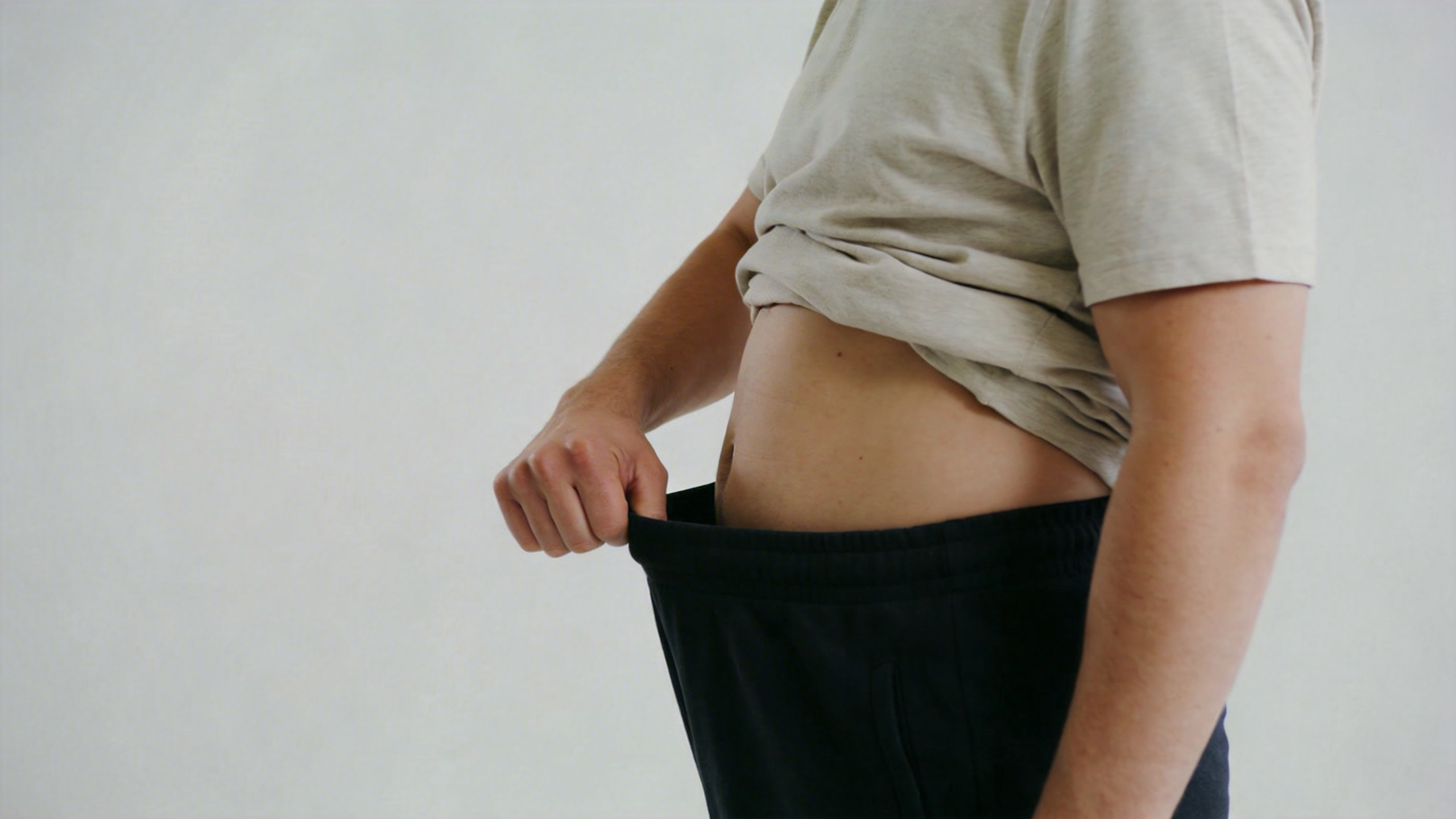
When it comes to loosing belly fat or trimming your waistline your goal should be to shed weight overall while toning your core muscles.

Here is a 5 step process that I use to counsel patients. Especially if the goal is to loose weight.

  1. Engage in regular aerobic exercise (e.g., walking, running, swimming, cycling) for at least 150 minutes per week.
  2. Incorporate resistance training to preserve lean muscle, which helps burn more fat at rest. Focus on low weight and high rep (12-20 reps) for muscle preservation and endurance.
  3. Eat a high-lean protein, anti-inflammatory diet to support metabolism and reduce insulin resistance (chicken, fish, lentils, avocado). This includes almost no sugar or alcohol.
  4. Practice intermittent fasting or time-restricted eating (for appropriate candidates). 8-12 hours of fasting.
  5. Track progress with body composition devices or waist circumference, not just the scale. Measure every 2 weeks for progress.

Are There Any Injectable Medications That Can Reduce Belly Fat?

Yes—recent advances in both aesthetic and metabolic medicine have introduced injectable therapies that can help:

Aesthetic Injectables:

  • Kybella (deoxycholic acid): This is FDA-approved to treat submental fat (double chin), but it has been used off-label in small areas like the abdomen or love handles. Multiple sessions may be needed, and results vary as it is not meant for thicker areas of adipose like the abdomen.

Metabolic Injectables:

  • GLP-1 receptor agonists such as semaglutide (Ozempic, Wegovy) and tirzepatide (Mounjaro) have shown significant reductions in visceral fat during clinical trials. These are prescription medications originally used for diabetes and now approved for chronic weight management in qualifying individuals.

Important: These medications should be used under the supervision of a qualified physician and are not substitutes for healthy lifestyle changes.

Losing belly fat is not just about aesthetics—it’s about optimizing your health, energy, and longevity. While it can be stubborn, it is not impossible. With a smart plan that includes science-backed nutrition, exercise, stress management, and, when appropriate, medical interventions, you can make meaningful progress.

If you’re struggling with stubborn belly fat or looking for a personalized plan, consider consulting with our team to learn how we can help.

Can Chat-GPT Save You a Trip to the Doctor?

We’re living in one of the most exciting and confusing eras in medicine. Artificial Intelligence (AI) is transforming how we access health information, make medical decisions, and deliver care. But can Chat-GPT save you a trip to the doctors office?

As a physician deeply committed to personalized, human-centered care, I believe AI can be a powerful tool if we use it wisely. Let’s explore how AI is shaping the future of medicine, how you can use it responsibly, and why the human doctor-patient relationship is more valuable than ever.


AI and Medicine: A New Frontier

AI is already showing up in healthcare in a variety of ways:

  • Chatbots and symptom checkers

  • Virtual health assistants

  • Predictive analytics for chronic disease

  • AI scribes to help doctors with documentation

  • Algorithms that analyze lab results, X-rays, and even EKGs

These tools can help make care faster, more accessible, and even more accurate. But they’re not a replacement for your doctor. They’re a starting point. Not the final word.


How to Responsibly Use AI to Ask Medical Questions

If you’re using AI tools like Chat-GPT or health apps to research symptoms or ask medical questions, keep these best practices in mind:

  1. Be Specific
    The more context you give, the better the answer. Include your age, medical history, medications, and specific symptoms if you’re asking AI about a health concern.

  2. Use it as a Guide, Not a Diagnosis
    AI doesn’t know you. It can’t examine you, feel your pulse, or pick up on subtle signs. Think of it as a well-read assistant and not a licensed provider.

  3. Double-Check Sources
    Some AI tools cite studies or articles. Be cautious. Not all information is high-quality or up-to-date. Ask your doctor to help you sort fact from fiction.

  4. Never Make Major Medical Decisions Based on AI Alone
    If an AI tool suggests stopping a medication, skipping a test, or self-diagnosing something serious, don’t act without talking to a provider.


How to Interpret AI-Generated Medical Responses

Even when the information seems accurate, interpretation is key. Here’s how to think critically:

  1. General ≠ Personal: AI gives generalized information based on patterns. What applies to most people may not apply to you.
  2. Risk vs. Relevance: An AI might mention a dozen possible causes for a headache. That doesn’t mean you have a brain tumor, it just means it’s on the list.
  3. Don’t Let It Cause Anxiety: Avoid falling into “cyberchondria.” If AI research is making you more stressed, take a break and schedule a visit. That’s what we are here for.

Personalized Care Still Matters

Even in the AI age, personalized medicine is more important than ever. Here’s why:

  1. You are more than your symptoms: Your lifestyle, stress, sleep, family history, and environment all influence your health
  2. Medicine is an art as much as a science: No algorithm can replace intuition, empathy, or the relationship we build over time.
  3. Long-term health is about prevention: AI can help identify risk, but a human doctor can help you act on it with sustainable lifestyle changes.

What We Offer: The Best of Both Worlds

At South Florida Advanced Rejuvenation, we blend cutting-edge technology with high-touch, human-centered care. Whether you’re focused on longevity, performance, injury prevention, or just feeling your best—we specialize in

  • Comprehensive health assessments

  • Personalized anti-aging and wellness plans

  • Regenerative therapies like PRP and stem cells

  • Preventive and lifestyle medicine

  • A doctor who listens, explains, and partners with you—not a robot.

AI is here to stay—and that’s a good thing. It can make healthcare more efficient, informed, and proactive. But the future of medicine isn’t about machines replacing doctors. It’s about you and your doctor working together, using smart tools to personalize your care and optimize your life.

If you’ve been using AI for health questions or want to learn more about how it fits into your wellness journey, bring it up at your next visit. We would love to help you navigate it wisely.

Dr. Sergio Guiteau is a physician who is board-certified in Family Practice and Sports Medicine with added certifications in Aesthetic Medicine. He specializes in Preventive MedicineSports Medicine, and  Anti-Aging Medicine and blogs on rhm.sys.mybluehost.me/website_d5adaba3/blog

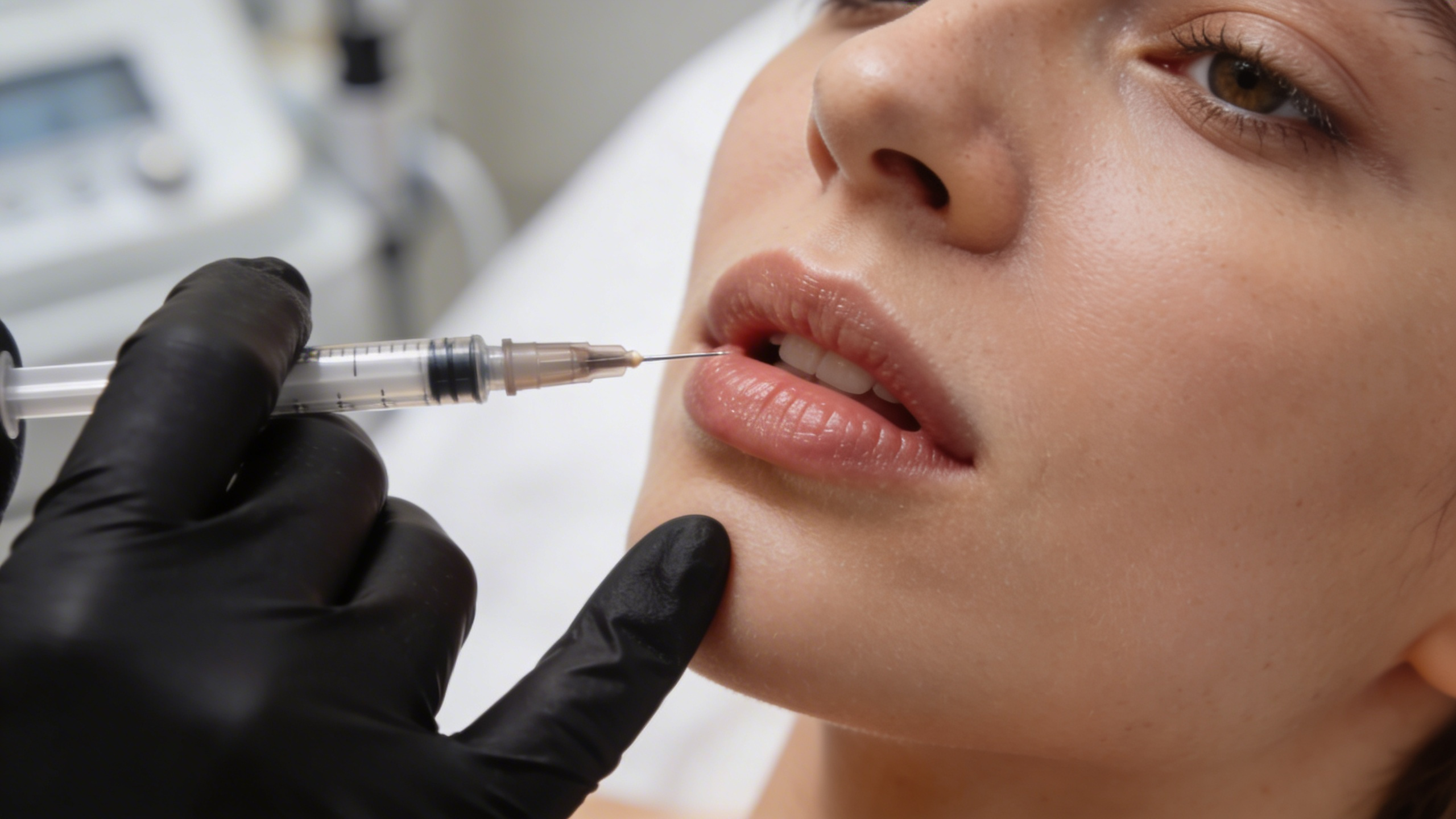
What is a Lip Filler Procedure Like?

The lip filler procedure has emerged as a great way to safely enhance the look of your lips without undergoing cosmetic surgery. This minimally invasive procedure has become a popular choice for those seeking to boost their confidence and achieve a desired aesthetic look.

This article delves into the lip filler procedure. We will give you a comprehensive guide on what lip fillers are, what the procedure is like as well as what the risks are when it comes to lip fillers.

Understanding Lip Fillers

Lip fillers, commonly referred to as lip injections or dermal lip fillers, are substances injected into the lips to increase volume, improve symmetry, and enhance overall appearance. These fillers have revolutionized the concept of non-surgical cosmetic enhancements, offering a relatively quick and efficient way to achieve fuller, plumper lips.

A Brief History

The quest for fuller lips is not a modern phenomenon. The use of substances to enhance lip volume dates back to ancient times. However, the evolution of lip fillers as we know them today began in the 20th century, with the development of safer, more effective materials.

Types of Fillers

The most common types of lip fillers are based on Hyaluronic Acid (HA), a naturally occurring substance in the body known for its hydrating properties. Other types, such as those made from collagen, were popular in the past but have seen a decline due to the superior results and safety profile of HA fillers. HA fillers like Juvederm and Restylane are renowned for their natural-looking results and reversible nature.

Lip Filler Pre-Procedure

The journey to lip fillers starts with a consultation. Your provider should always discuss your aesthetic goals, expectations, and the best type of filler to achieve them. The practitioner will evaluate your facial anatomy and may use imaging software or mark up your face to simulate potential outcomes.

Medical Evaluation

A thorough medical evaluation follows the consultation. Your practitioner will review your medical history, including any allergies, previous surgeries, and current medications, to ensure the safety and suitability of the procedure.

Preparing for the Procedure

Before the procedure, patients may be advised to avoid certain medications such as aspirin or anti-inflammatory drugs, which can increase the risk of bruising. Dietary guidelines, such as avoiding alcohol, may also be recommended.

The Lip Filler Procedure Step-by-Step

Step 1: Cleansing and Preparation

On the day of the procedure, the lip area is cleansed thoroughly to minimize the risk of infection. This step is crucial for a safe and successful treatment.

Step 2: Numbing

Comfort during the procedure is paramount. A numbing cream or local anesthesia is typically applied to the lips to minimize discomfort during the injections.

https://www.tiktok.com/t/ZT845LBc7/

Step 3: Marking the Target Areas

Your practitioner may then mark specific areas on your lips where the filler will be injected. This step is one way for your provider to achieve symmetry and the desired aesthetic outcome. The precision here ensures that the results align with your initial consultation discussion.

Step 4: The Injection Process

The actual injection process is relatively quick, typically taking less than 20 minutes. Using a fine needle, the filler is carefully injected into the predetermined areas. The amount used varies depending on the desired volume and the specific areas being treated. During this process, the practitioner might massage the areas to evenly distribute the filler and sculpt the lips to the desired shape.

https://youtube.com/shorts/bBEJhBxGuBw?si=7hp-8JUFW_GS4bI5

Step 5: Immediate Post-Injection Care

Once the injections are complete, ice may be applied to alleviate swelling and minimize bruising. Patients are usually observed for a short time for any immediate reactions before being allowed to leave.

Post-Procedure: Recovery and Results

Post-procedure, it’s common to experience some swelling and bruising, which typically subsides within a week. It’s important to follow the specific aftercare instructions provided by your practitioner, which may include avoiding pressure on the lips or face, strenuous exercise, extreme temperatures, and direct sunlight for a certain period.

Long-Term Care and Maintenance

To maintain the results of lip fillers, follow-up appointments are essential. The longevity of fillers varies, but most HA fillers last between six months to a year. Factors such as metabolism, lifestyle, and the type of filler used can influence this duration.

Risks and Considerations for Lip Procedures

While lip fillers are generally safe, they are not without risks. Common side effects include redness, swelling, and bruising at the injection sites. More serious complications, though rare, can include infection, allergic reactions, or vascular compromise (where the filler blocks a blood vessel).

The Importance of a Qualified Practitioner

Choosing an experienced and qualified practitioner is paramount. This reduces the risk of complications and ensures that the procedure is performed safely and effectively.

Myths vs. Reality

Debunking Misconceptions

Common myths surrounding lip fillers include the idea that they always look unnatural or lead to permanently stretched skin. In reality, when performed correctly, lip fillers can look natural and do not permanently stretch the skin.

Setting Realistic Expectations

Understanding the realistic outcomes of lip fillers is vital. While they can enhance appearance, they should not be seen as a solution to deeper self-esteem issues.

Cost and Accessibility

The cost of lip fillers varies widely based on geographic location, the type of filler used, and the practitioner’s expertise. It’s important to consider this investment and any potential follow-up treatments required.

Lip fillers are one of the most popular minimally invasive cosmetic procedures. To ensure that they are done correctly, always consult with a qualified professional to ensure safety and the best possible outcome.

Dr. Sergio Guiteau is a physician who is board certified in Family Practice and Sports Medicine with added certifications in Aesthetic Medicine. He specializes in Preventive MedicineSports Medicine, and  Anti-Aging Medicine and blogs on rhm.sys.mybluehost.me/website_d5adaba3/blog

Your Face is Aging. What can you do?

Aging is an inevitable part of life, and it affects every aspect of our bodies – including our faces.

Over time, our faces undergo a multitude of changes that can leave us feeling less confident and youthful. The good news is that there are various options available to help combat these common signs of aging and restore your natural beauty. 

In this article, we’ll explore the transformations that occur as we age and delve into some of the solutions including surgical, non-surgical, as well as regenerative and aesthetic options.


Common Signs of Aging 

Before we delve into the solutions, it’s crucial to gain a deeper understanding of the common signs of aging that affect our faces. These signs not only reflect the passage of time but also how our skin, muscles, and bone structure evolve with age. Let’s explore these changes in more detail:

Why do Women Age Faster Than Others? | Artiste Plastic Surgery


  • Foreheads Expand, Hairlines Retreat:

    As we age, it’s not uncommon for our foreheads to undergo a noticeable transformation. The forehead may gradually appear wider, while the hairline recedes. This change can result in a more mature and aged appearance, with the once youthfully high forehead giving way to a more prominent, mature brow. As the forehead expands and the hairline retreats, it can affect the overall balance of facial proportions.

  • Ears Often Get Longer:

    The ears are not immune to the passage of time, and they, too, undergo changes as we age. Over the years, our ears can appear larger than they once were, which is primarily attributed to the loss of collagen and elasticity in the skin.
    Gravity exerts a constant pull on the earlobes and surrounding tissue, contributing to this noticeable lengthening. As a result, the ears may seem more prominent and elongated compared to their youthful appearance.

  • Drooping Nose Tips:

    The nose, a central and defining feature of the face, can also undergo transformations with age. The connective tissue that supports the nasal cartilage weakens over time, causing the tip of the nose to droop
    This subtle but significant change can alter the overall facial harmony. The nasal tip, once perky and youthful, may now appear less defined and less uplifted, impacting the balance and aesthetics of the entire face.

  • Loss of Natural Volume:

    One of the most significant contributors to the aging process is the loss of natural volume beneath the skin. As we age, the fat layers that provide fullness and contour to our face gradually diminish. This loss of fat can lead to a decrease in natural volume, causing the skin to sag and wrinkle. Areas that were once plump and youthful, such as the cheeks, may start to appear deflated and hollow, contributing to an overall appearance of aging.

  • Skin Wrinkles:

    Sun damage, coupled with the persistent contraction of facial muscles, can result in the formation of wrinkles and fine lines. Prolonged exposure to the sun’s harmful UV rays can also lead to premature aging, manifesting as sunspots, fine lines, and uneven skin tone. Additionally, the repetitive contraction of facial muscles over time, such as squinting or frowning, can create dynamic wrinkles and lines, particularly around the eyes, forehead, and mouth.

  • Bone Resorption:

    As the years progress, another significant factor in the aging process is bone resorption. Bone density decreases, especially in the facial bones, causing the underlying support structure to weaken. This can result in more noticeable sagging of the skin, primarily around the jawline and cheeks. The altered bone structure can affect the overall facial contours, leading to a less youthful and defined appearance.


Non-Surgical Creams

For those who prefer non-invasive options, there are several creams and products available to help combat signs of aging:


  • Sunscreen:

    Sunscreen is your first line of defense against premature aging. Protecting your skin from harmful UV rays can prevent sun damage and reduce the risk of wrinkles and age spots.

  • Collagen-based Creams and Moisturizers:

    Collagen-infused creams work to restore depleted collagen levels, enhancing skin elasticity and diminishing the visibility of fine lines and wrinkles.

  • Prescription Creams (Retinoids):

    Retinoids are powerful compounds that stimulate collagen production, reduce fine lines, and enhance skin texture. 

Regenerative/Aesthetic Options

Non-surgical regenerative and aesthetic options offer less downtime and natural-looking results. Here at our office, we offer a range of treatments at South Florida Advanced Rejuvenation to help you combat facial aging:


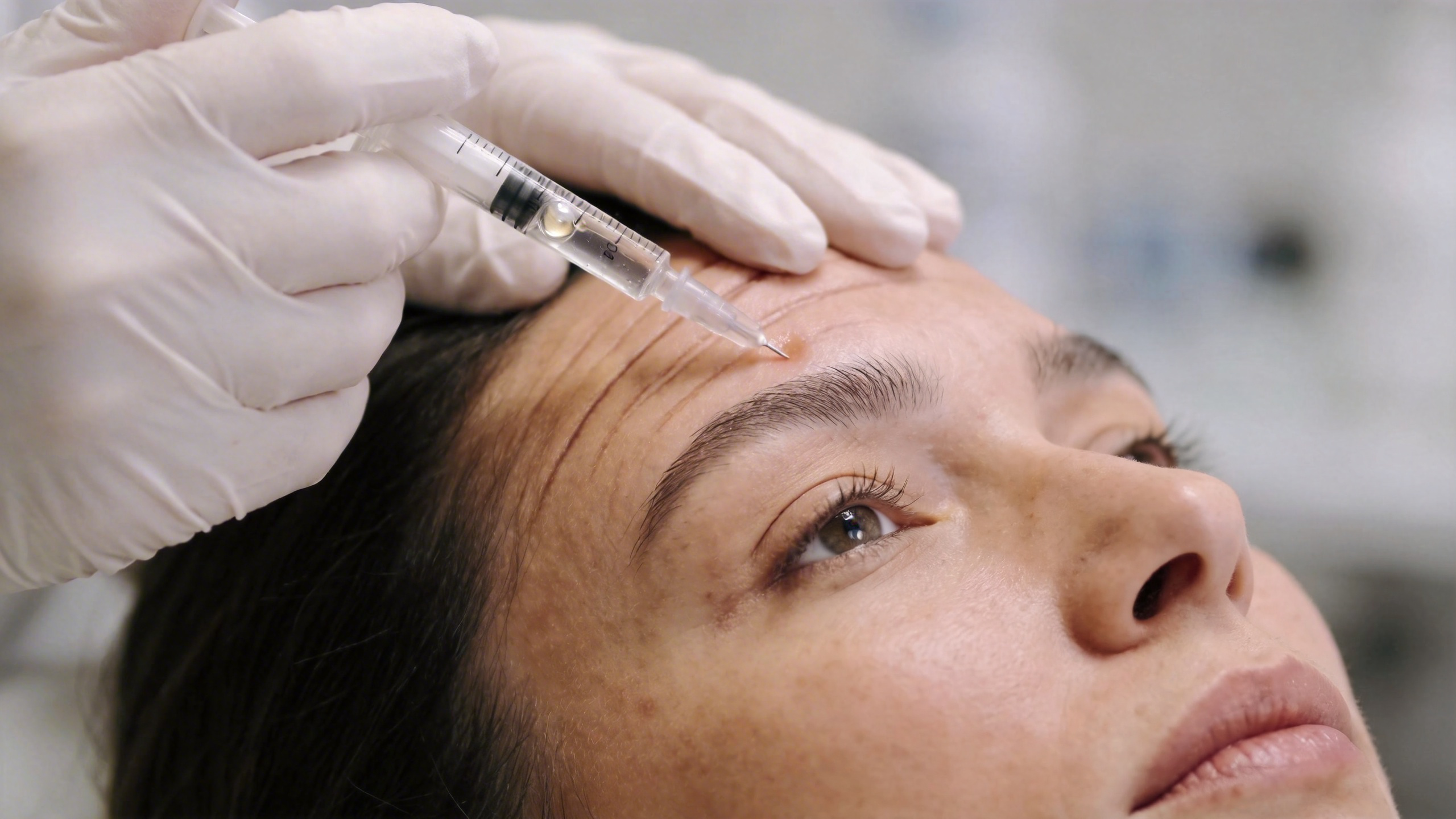
  • Botulinum Toxin (Botox):

    Botox is a well-known treatment that works by temporarily paralyzing the facial muscles responsible for wrinkles. It is highly effective in smoothing out lines and wrinkles, particularly on the forehead, crow’s feet, and frown lines. Our office regularly uses neurotoxins such as Botox, Xeomen, and Dysport to treat fine lines and wrinkles.

  • Dermal Fillers:

    Dermal fillers, such as Juvederm and Restylane, are used to restore volume and can also fill in areas that are sagging or wrinkled. Common areas that can be enhanced include the lips, cheeks, and jawline. When done correctly they can provide natural-looking results that essentially turn back the clock.   Find more information on dermal fillers here.

  • Laser Treatments:

    Laser treatments can address various skin concerns, including wrinkles, age spots, and uneven skin texture. They work by stimulating collagen production and improving skin tone and texture.

  • Microneedling:

    Microneedling involves tiny needles that create micro-injuries in the skin, triggering the body’s natural healing response and collagen production. This procedure can improve the appearance of fine lines, wrinkles, and scars.

  • Ultrasound and Radiofrequency Devices:

    These devices use ultrasound or radiofrequency energy to stimulate collagen production, resulting in tighter, firmer skin. They are commonly used for non-surgical facelifts and skin tightening.

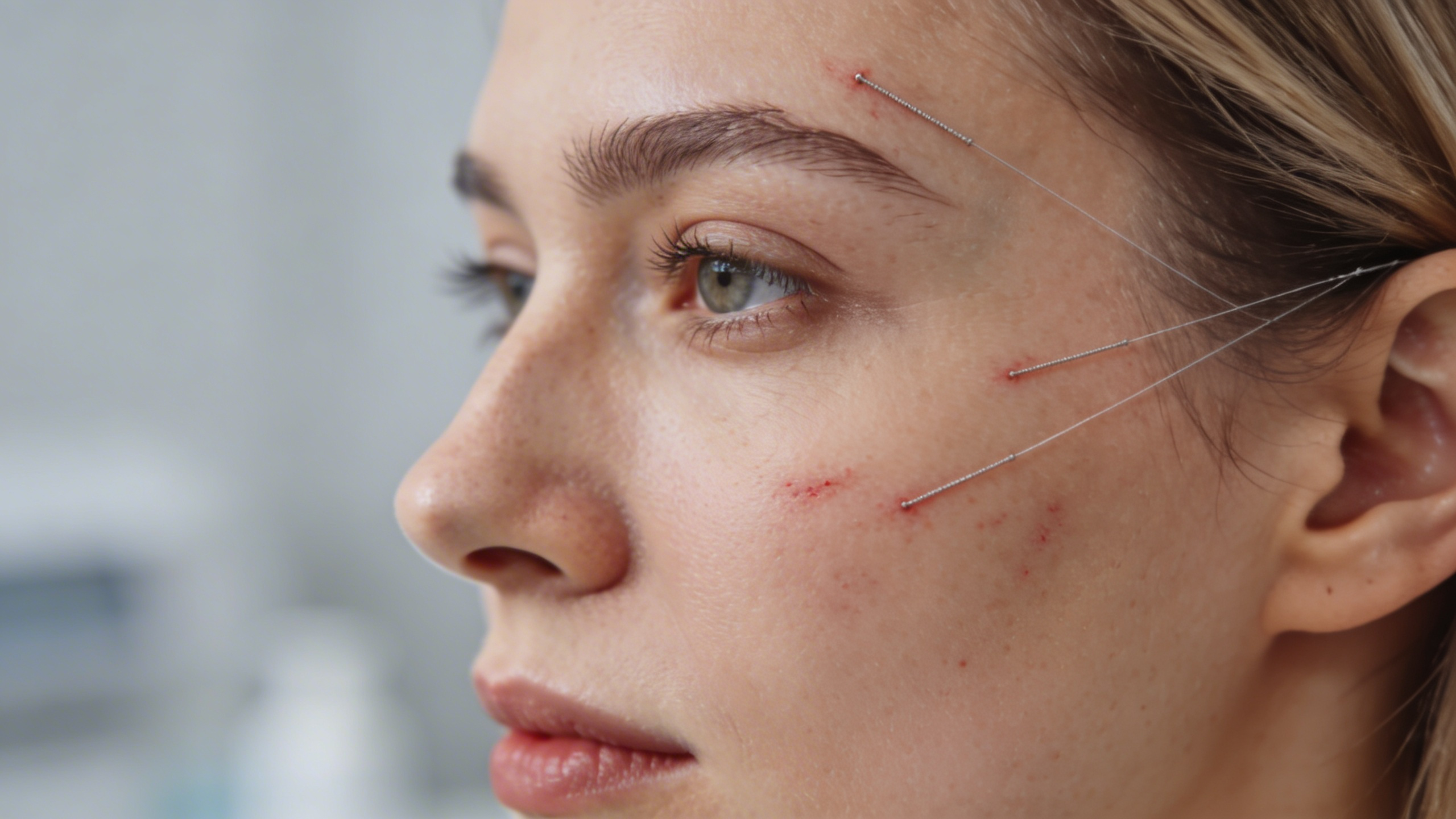
  • PDO Threading:

    PDO threading is a minimally invasive procedure that involves the placement of dissolvable threads beneath the skin to lift and tighten sagging areas. To learn more about PDO thread lifts, visit this page.

Surgical Options

Surgical procedures can provide significant and long-lasting improvements in facial appearance. These options are more invasive and can necessitate considerable time for recovery. Two common surgical options are:


  • Surgical Facelift:

    A facelift, also known as rhytidectomy, is a surgical procedure that involves the removal of excess facial skin to create a more youthful and tightened appearance. 

  • Surgical Brow Lift:

    A brow lift is a surgical procedure designed to rejuvenate the forehead and brow area. It elevates sagging brows and reduces wrinkles, giving you a more youthful and refreshed look.


Bottomline

Aging may be a natural process, but it doesn’t mean you have to accept its effects on your appearance. Our office offers a range of solutions to help you combat facial aging. Whether you prefer surgical options, non-surgical creams, or regenerative/aesthetic treatments, there are many choices to suit your needs and preferences. 


Take the first step towards a more youthful and rejuvenated appearance by exploring these options, and be sure to check out our blog section for more information on aesthetic-related topics. With the right guidance and treatments, you can reclaim your youthful glow and confidence.


Dr. Sergio Guiteau is a physician who is board-certified in Family Practice and Sports Medicine with added certifications in Aesthetic Medicine. He specializes in Preventive MedicineSports Medicine, and  Anti-Aging Medicine and blogs on rhm.sys.mybluehost.me/website_d5adaba3/blog


All About Dermal Fillers

Have you ever thought about removing wrinkles around the mouth or deep creases underneath your eyes? What about improving thin lips that have lost their volume? It’s no secret that our youthful appearance diminishes as we get older. That’s because our skin starts to lose its elasticity and plumpness as we age. This will eventually result in fine lines, wrinkles, hollows, and folds. While there is no anti-aging cure (yet), there are methods to help us get back more youthful-looking skin. One way is by injecting dermal fillers. 


What are dermal fillers?


Dermal fillers are gel-like substances that are injected beneath the skin to restore lost volume, smooth lines, soften creases, and enhance facial contours. Nowadays they are becoming more popular than ever, with more than one million people each year choosing this type of minimally invasive, nonsurgical cosmetic procedure. 

Dermal fillers are injected underneath the skin to help improve many signs of aging by:

  • Smoothing out fine lines around the mouth and nose
  • Adding volume to hollow cheeks and sometimes hollow areas under the eyes
  • Erasing vertical lip lines
  • Plumping the lips
  • Softening facial creases 
  • Enhancing facial symmetry


What types of dermal fillers are available?

There are several different dermal filler products that are approved by the U.S. Food and Drug Administration (FDA). These products are classified by the type of substance they are made from. You should always make sure you are receiving FDA-approved, brand-name fillers, which are only available through a licensed physician.

Types of dermal fillers include:

Hyaluronic Acid (HA)

Hyaluronic acid is a type of sugar that is found naturally in the body, including the skin, eyes, and joints. While HA keeps our joints cushioned and lubricated, it also helps keep our skin soft, hydrated, and bouncy. This type of dermal filler typically produces results that last between 6 and 12 months, and sometimes up to 18 months. The body will eventually absorb the HA filler. Juvéderm®, Restylane®, Belotero ®, and Revanesse® are just a few of the HA fillers that are approved by the FDA.


Calcium Hydroxylapatite (CaHA)

Like HA, calcium hydroxylapatite is found naturally in the body, particularly in the bones. This type of dermal filler, which can also help the body build new collagen, consists of a smooth gel containing calcium particles. Results are expected to last about a year. One FDA-approved CaHA filler is Radiesse®. These fillers last on average about 12-18 months. While they can stimulate new collagen which can improve volume over time, the body will eventually absorb CaHA filler.


Poly-L-lactic Acid

Poly-L-lactic acid has been around for quite some time and has been used in dissolvable stitches and other medical devices. Although Poly-L-lactic acid is a synthetic substance, it is deemed safe for use in the body, and it breaks down naturally. Commonly known as a “collagen stimulator,” this type of dermal filler helps your body build more collagen. Results do not appear right away, and you may need more than one treatment to get the results you want. However, the good news is that once you achieve your desired results, they can last for more than two years. Sculptra®  is an FDA-approved Poly-L-lactic acid filler.


Polymethylmethacrylate (PMMA)

Like Poly-L-lactic acid, polymethylmethacrylate is a synthetic substance that is safe to use in the body. In fact, it has been used in medicine for the last 100 years. However, the body does not absorb these fillers, which take the form of tiny beads contained in a solution. This type of dermal filler also contains collagen. PMMA is often used as a more permanent solution, as it remains underneath the skin indefinitely. However, it may take a few months before you see the full effects. Bellafill® is an FDA-approved PMMA filler.


What risks and side effects are associated with dermal fillers?

As with any medical procedure, dermal filler injections are associated with some risks and side effects. Some dermal filler injection side effects are mild, but others may be severe or persistent. Mild side effects include:

  • Bruising
  • Redness
  • Swelling
  • Pain
  • Tenderness
  • Itching
  • Rash


The most severe side effects can occur from the accidental injection of dermal filler into a blood vessel. Although the chances of this are low, this can result in tissue death, stroke, or blindness depending on the area and artery injected. To avoid these complications, make sure you choose a provider who is experienced in using these products as well as someone who is well aware of facial, head, and neck anatomy. 

If you develop any of the above side effects seek medical care immediately. 


How do you determine which dermal filler is right for you?

There are many dermal filler products available, and your provider will help you choose the one that is right for you. Each product is designed with a certain substance, texture, density, and injection depth. One dermal filler may work better for one area while another dermal filler may work better for a different area. For example, Juvederm® Ultra may be used as a lip filler while Restylane® Lyft is used to enhance the cheeks.


If you would like to maintain your youthful-looking appearance, dermal fillers may be an option for you. If you would like to learn more, give our office a call.


Dr. Sergio Guiteau is a physician who has certifications in Aesthetic Medicine and is board certified in Family Practice and Sports Medicine. He specializes in Anti-Aging Medicine and blogs on rhm.sys.mybluehost.me/website_d5adaba3/blog


Platelet Rich plasma (PRP)

The human body has a natural ability to heal itself. For example, when we get sick, our immune system kicks in to help fight off the infection. When we get a cut, our blood clots to stop the bleeding. The cut and scarring usually go away within a few days or weeks. Sometimes, however, our bodies may need a little extra boost to heal faster and more effectively. That’s where platelet-rich plasma comes into play. 


Platelet-rich plasma is a form of regenerative medicine that can enhance the natural growth factors that the human body uses to heal itself. Plainly speaking, platelet-rich plasma, or PRP, may help activate and speed up the body’s healing process. 


What is Platelet Rich plasma?


Platelets are responsible for blood clotting, but they also activate the production of cells and the repair of tissues. Platelet-rich plasma is a concentration of your own platelets. These platelets can be then be injected into certain areas of the body to enhance the healing process.


How are PRP injections prepared?


First, a sample of your blood is taken. Next, the blood spins in a centrifuge so that the platelets can separate from the other components of the blood and become concentrated. Lastly, the concentrated platelets are then injected into the injured tissue of the body where growth factors are released and more reparative cells can be stimulated.


What are the benefits of PRP injection therapy?


PRP injections have gained recognition for their use in treating a variety of conditions, from sports injuries to hair loss to skin rejuvenation.


  • PRP for hair loss

Many men and women suffer from hair loss. PRP injections may be effective at preventing hair loss and aiding in new hair growth by stimulating the cells important for hair growth. One systematic review reported that 84% of the studies saw a positive effect of PRP for androgenetic alopecia (hair loss with aging) compared to control groups. Among those, 50% of the studies saw a significant improvement. While PRP for hair loss seems promising, more research is needed in order to specify what concentrations or formulations of PRP are most effective at stimulating hair growth.

https://youtu.be/c1reTLs1Bio


  • PRP for pain

Tendon, ligament, muscle, and joint injuries can cause pain and can take a long time to heal. PRP injections may be added to your treatment regimen to help enhance healing. This can decrease pain and help you return to your normal activities sooner. One meta-analysis of randomized controlled trials reported that “PRP injections were associated with better pain relief and functional outcomes” in patients with common shoulder diseases. Another study suggested that PRP injections may improve the symptoms of osteoarthritis of the knee joint. 

https://youtu.be/cQpm5qGJ6Ik


  • PRP for skin

PRP injections are sometimes used to help rejuvenate wrinkled aged skin. PRP works to stimulate collagen and other growth factors that can help rebuild and repair damaged tissue. Because of this, PRP has been used to improve skin texture and decrease fine lines and wrinkles that may come with age. At this time, however, more studies are needed in order to determine the efficacy of PRP for skin rejuvenation. 


What are the side effects of PRP therapy?


PRP injections are made of your own cells and blood, so the risk of adverse reactions is lower than if using other injectable medications. However, some rare but important side effects to be aware of include:

  • bleeding
  • tissue damage
  • infection
  • nerve injuries


The Takeaway


Studies have shown that PRP can be beneficial in the treatment of certain conditions.

However, more research is needed in order to better understand the mechanisms behind how PRP contributes to tissue regeneration as well as the concentration of platelets that can result in the most adequate regeneration.

Also, while the equipment used to produce PRP and the injections themselves have been cleared by the FDA, PRP itself is still considered investigational. Because of this, most insurance carriers do not cover this procedure. 


If you are interested in receiving PRP injections, be sure to discuss the benefits and risks with your doctor and inform them of any questions or concerns you might have.

Dr. Sergio Guiteau is a physician who has certifications in Aesthetic Medicine and is board certified in Family Practice and Sports Medicine. He specializes in Anti-Aging Medicine and blogs on rhm.sys.mybluehost.me/website_d5adaba3/blog


IV Vitamin Therapy, Is it for you?

What is intravenous (IV) therapy?

If you’ve ever been to a hospitalthen you’re probably familiar with the bags that hang from a pole and connect to the arm. IV therapy is a way to deliver fluids and medications directly to the bloodstream through a vein. This method of delivery is especially beneficial for people who cannot take medications by mouthIn addition, IV nutrition is traditionally used to deliver nutrients to patients who are unable to eat or absorb nutrients due to an illness.

Today, however, vitamin infusions are being administered outside of the hospital setting more commonly. From medical spas to hydration rooms to integrative medicine offices, IV vitamins are being seen as a way to infuse “wellness.”

What is IV vitamin therapy?

IV vitamin therapy, also called intravenous micronutrient therapy or hydration therapy is used to deliver high concentrations of vitamins and minerals directly to the bloodstream. This allows faster absorption of vitamins and nutrients by the body’s cells than if delivered through food or oral supplements.

IV Vitamin therapy has recently become a wellness trend, claiming to improve a number of ailments. If you have been thinking of trying it out yourself you are not alone. The amount of people who have received outpatient IV nutrition has grown dramatically over the last few years.

People have used IV’s to help with some of the following:

Cure hangovers

Improve skin complexion

Help with weight loss

Help with chronic pain

Improve fitness performance and recovery

Improve focus

Boost immunity

Boost libido

Boost energy

What’s on an IV vitamin menu?

The concept of IV vitamin therapy is that delivering specially formulated cocktails of nutrients, vitamins, electrolytes, and antioxidants intravenously can help replenish, restore, and detoxify your body more efficiently. These vitamins often contain mixes of such things as vitamin C, B vitamins, glutathione, electrolytes, and saline.

One popular IV item includes Myers’ cocktail. This mixture contains high doses of B vitamins, vitamin C, and minerals such as magnesium and calcium.

The vitamins and minerals in Myers’ Cocktail are beneficial in the following ways:

B vitamins:

Vitamins B1, B2, and Bare associated with energy conversion and healthy skin and hair.

Vitamin B5 is also associated with energy conversion.

Vitamin B6 helps convert tryptophan to serotonin which is associated with sleep, appetite, and mood.

Vitamins B9 and B12 are important for making new cells.

Vitamin C:

Vitamin C, also known as ascorbic acid, is an antioxidant that can boost the immune system and prevent cell damage.

Magnesium and Calcium:

Magnesium and calcium are important for many of the body’s functions including muscle contraction, blood clotting, blood pressure regulation, and the building of bones and teeth.

Does IV vitamin therapy actually work?

Most of the evidence we have is anecdotal, which means that it’s based on people’s personal experiences. There are few studies out there that have tested the effectiveness of IV vitamin therapy. 

One non-blinded outcome study of 43 asthma patients showed that IV nutrient therapy may be beneficial for acute and chronic asthma. A randomized, double-blind, placebo-controlled pilot study of 34 adults with fibromyalgia syndrome (FMS) concluded that most patients had relief from FMS compared to baseline after being treated with IV micronutrient therapy. 

Although IV vitamin therapy can potentially help to improve a variety of health conditions and ailments, more studies really are needed to demonstrate its full efficacy. That’s why it’s important to talk to your doctor before you receive IV vitamin therapy to see if it may be of benefit for you.

If you have any questions about IV vitamin therapy or are curious to know if it might help you, feel free to give our office a call.

Dr. Sergio Guiteau is a physician who has certifications in Aesthetic Medicine and is board certified in Family Practice and Sports Medicine. He specializes in Anti-Aging Medicine and blogs on rhm.sys.mybluehost.me/website_d5adaba3/blog

What you should know about PDO thread lifts

Aging is a part of life; there’s no escaping it. As we get older, our skin becomes thin, weak, and saggy. The good news is that we can get a facelift for a more youthful appearance without going under the knife. How? Three words—polydioxanone (PDO) thread lift.

What is a thread lift?

A thread lift is a minimally invasive cosmetic procedure involving dissolvable sutures that help lift the skin of the face and neck to provide firmer, younger-looking skin.

During a thread lift, the cosmetic surgeon stitches up parts of the facial skin rather than using surgery to remove the saggy skin. The threads pull the skin back, giving the face a more tightened and lifted appearance.

What are PDO thread lifts?

PDO threads are a type of suture that are commonly used in thread lift procedures. They differ from the other types of sutures, polylactic acid (PLA) and polycaprolactone (PCA), in that they are made from a dissolvable polyester. In addition, PDO threads are the oldest of the three, having been introduced for use in surgical procedures in the 1980s.

PDO threads are further broken down into three subtypes:

  • PDO mono threads are smooth sutures. These threads help improve the skin by stimulating the production of collagen, the protein responsible for strengthening our skin and giving its elasticity.
  • PDO cog threads consist of barbs that attach to the skin to help lift the face.
  • PDO screw threads consist of two threads that are intertwined and help instill volume into the sunken areas of the facial skin.

In general, PDO threads can be used to lift most areas of the face where signs of aging are typically noticeable, including around the cheeks, jaw, neck, and eyes.

How long can they last?

2019 study found that patients saw an improvement in saggy skin immediately after the procedure. The improvements were noticeable up to one year.

In another 2019 study, a surgeon who’s performed thread lifts for 16 years says that he has seen results last up to 9 years, “depending on the age and health of the patient, the degree of skin laxity, the thickness of the skin, and the adequacy of facial volume.” Younger people with adequate skin volume and thicker facial skin can experience results that last 3 to 4 years. Older people whose skin has lost its elasticity, volume, and tightness may only experience improvements for one to two years.

What are some complications of PDO thread lifts?

You should avoid alcohol and tobacco products for 5 days or longer before your thread lift procedure. We also recommend that you avoid taking certain medications and herbals that may increase your risk for bleeding (ibuprofen, aspirin, fish oil etc.) for at least 5 days before your thread lift procedure.

Complications can include:

  • Sutures that are visible in the skin
  • Pain
  • Bruising
  • Infection
  • Snapping of the threads
  • Hair loss
  • Inflammation
  • Skin dimpling
  • Injury to the salivary gland
  • Blood accumulation

Most of these rare complications can usually be resolved.

What is the process of getting PDO thread lifts like?

The following are the general steps you will experience when getting PDO thread lifts:

  1. While seated in a recliner, your face will be disinfected with alcohol. Local anesthetic will be administered under your skin using a needle.
  2. A small incision will be made with another needle. A cannula will then be inserted into the incision.
  3. The thread will be anchored into place. The cannula will be removed from the incision.
  4. After removal of the cannula,  the thread will then be cut.

The procedure generally takes about 45 minutes, and you can go home shortly afterwards.

What is the recovery and care after a PDO thread lift.

You may develop some swelling and bruising for the first one to two days, but you can resume most of your normal daily activities shortly after the procedure. Try not to rub your face the week after your procedure to prevent a thread from loosening under the skin. In addition, you should not pursue your lips, smoke, or drink through a straw for the first few weeks after the procedure. Avoid sleeping on your side, strenuous activities, or saunas for the first 1 or two weeks.

In summary…

A PDO thread lift is a procedure that can help improve the appearance of aging and saggy skin.

Need a lift? Contact us today!

Dr. Sergio Guiteau is a physician who has certifications in Aesthetic Medicine and is board certified in Family Practice and Sports Medicine. He specializes in Anti-Aging Medicine and blogs on rhm.sys.mybluehost.me/website_d5adaba3/blog

Botox for Wrinkles

Have you thought about Botox for wrinkles?

Are your wrinkles bothering you?

Do you feel as if your wrinkles make you look tired or older?

We get it. Who doesn’t want perfectly smooth and youthful-looking skin?

Unfortunately, wrinkles are a natural part of aging. As we get older, our skin loses its elasticity and becomes drier. This will eventually result in wrinkles around our eyes, forehead, cheeks, and lips. In addition, we also have to deal with other factors that damage our skin over time. These include things like exposure to ultraviolet (UV) light, smoking, and even the normal wear and tear on our skin from repeated facial expressions. Because of this, Botox and other similar neurotoxins are a great way to help prevent and even remove some of these unwanted signs of aging.

What is Botox?

Botulinum toxin, commonly known as Botox, is a potent neurotoxin protein. It is produced from a type of bacterium known as Clostridium botulinum. Today, neurotoxins in the US are available under the brand names Botox, Dysport, and Xeomin. All 3 of these products essentially work to reduce wrinkles using the same mechanism.

How does Botox work?

Botox inhibits the release of acetylcholine at the neuromuscular junction. This means that it blocks certain nerve signals that lead to muscle contraction. Injection of small quantities of botulinum toxin into specific overactive muscles can cause these local muscles to relax. This eventually results in a smoothing out of the overlying skin and eventually a reduction of wrinkles.

What kinds of wrinkles can Botox injections be used for?

Botox can temporarily improve the appearance of:

  • Frown lines between the eyebrows
  • Crow’s feet lines
  • Forehead lines

What can you expect with Botox injections?

Before you receive your Botox cosmetic injection, your provider may apply a numbing cream to the area of injection. We generally do this as a standard at our office as we like to avoid any discomfort during the procedure. Botox will then be injected into the specific facial muscles that cause age-related wrinkles. You should start to see an improvement in the appearance of your wrinkles and fine lines within a few days. Results are best seen after a period of 10-14 days. The effects of Botox generally tend to last approximately 6 months.

What are the possible side effects of Botox Cosmetic injections?

You should always consult with your medical provider to see how botox may affect you given your particular medical history. However, rare side effects can include, dry mouth, dry eyes, swelling, vision problems, drooping eyebrows, headache, and fatigue. Again, these are all rare complications and should be discussed with your medical provider.

Wrinkles are inevitable. The sooner you start taking control of your wrinkles, the easier it will be to manage the signs of aging.

Call us today to schedule a consultation.

Dr. Sergio Guiteau is a physician who has certifications in Aesthetic Medicine and is board certified in Family Practice and Sports Medicine. He specializes in Anti-Aging Medicine and blogs on rhm.sys.mybluehost.me/website_d5adaba3/blog

Don’t Sweat It, Get Botox!

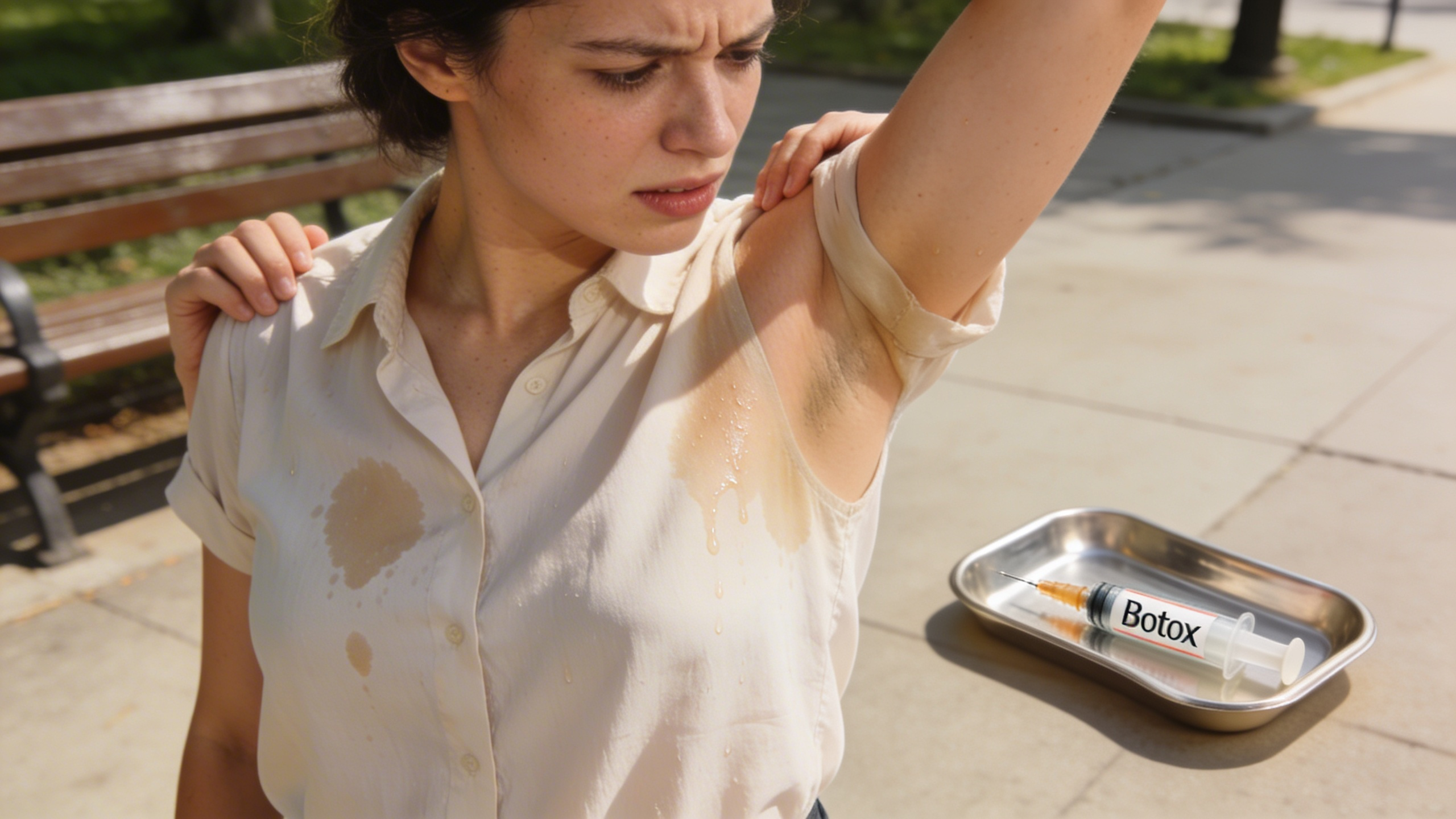
Can’t stop sweating through your shirt? Is sweat dripping off your palms in the middle of winter? You may be suffering from a condition known as hyperhidrosis.

What Is Hyperhidrosis?

Hyperhidrosis is defined as abnormally excessive sweating that’s not necessarily due to heat or exertion.

Sweating is your body’s natural way of cooling itself down. When you get hot, your nervous system activates your sweat glands, causing you to perspire. Sweating is normal and can also occur when you experience anxiety or stress. Hyperhidrosis occurs when the nerves responsible for stimulating your sweat glands become overactive, even though they haven’t been triggered by exertion or a hot environment.

Types of Hyperhidrosis

There are two types of hyperhidrosis, primary and secondary.

Primary hyperhidrosis causes excessive sweating for no apparent reason and can be worsened by stress or nervousness. This type usually affects your palms, soles, and face.

Secondary hyperhidrosis occurs when excess sweating is related to an underlying cause or medical condition such as cancer, diabetes, menopause, thyroid problems, infections, heart attack, or nervous system disorders. Certain medications can also cause secondary hyperhidrosis. This type is more likely to cause sweating all over your entire body.

Excessive sweating is the pits! It can lead to negative social and emotional effects. No one wants to have clammy hands or pit stains ALL the time! So, what can be done?

What Are My Options for Excessive Sweating? 

Hyperhidrosis can be embarrassing, but don’t sweat it! Talk to your doctor about your concerns.  There are several options out there that can help you combat excessive sweating such as prescription deodorants, topical or oral nerve-blocking medications, and neurotoxin injections such as Botox.

Botox? How Can Botox Injections Help Treat My Excessive Sweating? 

Botox? Wait, isn’t that for wrinkles? Yes! However, Botox is also used to temporarily block the nerves that stimulate your sweat glands. When Botox is injected directly into the area of the body that excessively sweats, those overactive nerves become paralyzed. When your nerves are paralyzed, they can’t activate your sweat glands; therefore, you don’t sweat.

Where Is Botox Injected? 

Botox is injected into the skin to treat the symptoms of severe sweating when medicines used on the skin (topical) do not work well enough.

The thoughts of getting an injection may have you sweating! But don’t sweat it! Here’s what you can expect with a Botox injection.

How Can I Prepare for Botox Injections?

Make sure you tell your doctor about any medical conditions you may have, including any muscle or nerve conditions. In addition, be sure to tell your doctor about any medications you are taking, including prescription and over-the-counter medications, vitamins, and supplements. You may need to stop taking certain medications prior to your injections; however, don’t stop taking any medications unless your doctor tells you to.

What Can I Expect When Getting Botox Injections?

Botox injections don’t take long and can be administered and completed during a single office visit. In our office, we apply an anesthetic to your skin to help numb the area. The Botox is injected just below the skin’s surface using a fine needle. Each affected area of your body requires several injections.

What Can I Expect After Treatment?

You can return to your normal activities immediately after receiving your Botox injections. It generally takes two to seven days before you stop sweating in the treated area. It may take two weeks before you see the full effects. The effects of the injection are temporary and they last at least four months but sometimes over a year until the treatment needs to be repeated.

What are the Side Effects of Botox?

Most people tolerate Botox injections well. Possible side effects include pain or bruising at the injection site and flu-like symptoms. As with any injection into the skin, there is always a very low risk of bleeding, infection, or scarring.

Your Life May Be a Puddle, But It Doesn’t Have to Be.

Hyperhidrosis is unpleasant and can be embarrassing. We get it. But don’t be ashamed to talk to your doctor or someone experienced with treating this condition. Our office is always available to help you and can determine what treatment may be best for you.

Dr. Sergio Guiteau is a physician who has certifications in Aesthetic Medicine and is board certified in Family Practice and Sports Medicine. He specializes in Anti-Aging Medicine and blogs on rhm.sys.mybluehost.me/website_d5adaba3/blog