The idea of enjoying a glass of wine daily has long been associated with heart health and the Mediterranean lifestyle. But how safe is it really?
When we dig deeper into the effects of wine, or any alcohol, the studies offer a more nuanced view that weigh potential benefits against known risks. So is it really safe to drink a glass of wine daily? Lets explore and discuss.
Is It Safe to Drink Wine Every Day?
Moderate wine consumption is generally considered safe for most healthy adults. In the U.S., moderation is defined as up to one 5-ounce glass per day for women and up to two for men. This level of intake has been linked to certain health benefits, particularly when wine is consumed with meals.
Is There Any Research on the Long-Term Effects of Drinking Wine Daily?
Long-term moderate wine consumption has been associated with certain health benefits, such as a reduced risk of cardiovascular disease and improved cognitive function. Some studies also suggest wine may contribute to lower rates of type 2 diabetes when consumed in moderation with meals.
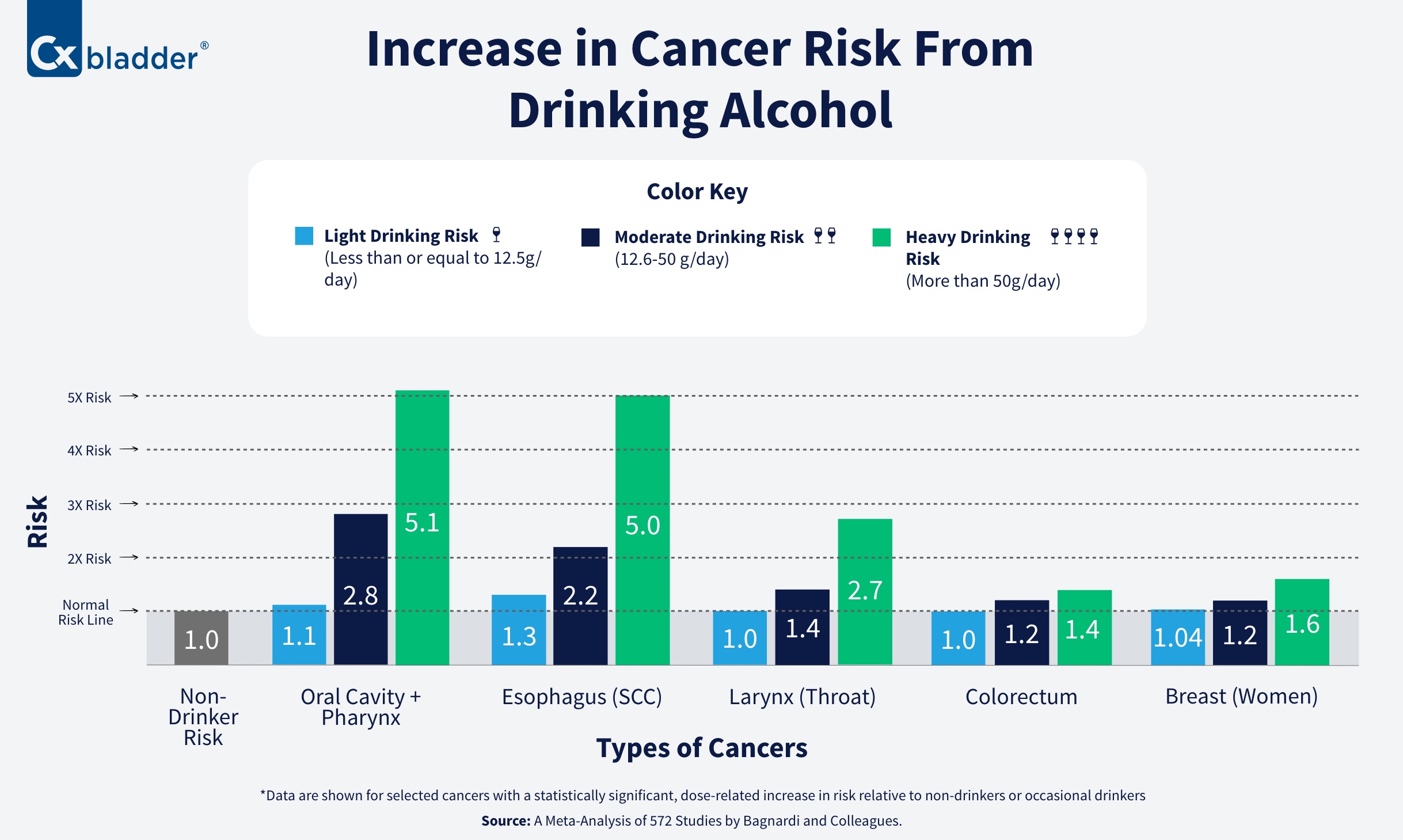
However, other large-scale research challenges the idea that daily alcohol consumption is beneficial. Newer studies suggest that even moderate drinking may increase the risk of high blood pressure, atrial fibrillation, and certain types of cancer. Heavy or prolonged use can also lead to liver disease, mental health problems, and alcohol dependence.
Most Research on Wine’s Health Benefits are Influenced by the Alcohol Industry
It’s important to consider the source of information about alcohol and health. Many studies promoting the health benefits of wine have been funded, at least in part, by the alcohol industry — including wine producers and alcohol trade organizations.
Industry-funded research tends to emphasize the potential cardiovascular benefits of moderate drinking while downplaying or omitting information about serious risks like cancer, liver disease, and addiction. Independent research, which is not tied to alcohol industry funding, has increasingly found that even small amounts of alcohol consumption carry measurable health risks.
Organizations like the World Health Organization now advise that there is no completely safe level of alcohol consumption when it comes to preventing cancer and other chronic diseases. Thus, while moderate wine consumption might fit into certain lifestyles, it’s important to approach claims of health benefits with caution, particularly when industry sponsorship may bias the findings.
Is There a Difference Between Drinking Red Wine and White Wine in Terms of Health Benefits?
Red wine often receives more attention for its potential health benefits because it contains higher levels of certain antioxidants, such as resveratrol, compared to white wine. These antioxidants have been studied for their possible roles in reducing inflammation and supporting heart health.
However, while red wine may have a slight advantage nutritionally, it’s important to remember that both red and white wine contain alcohol, and the associated risks apply regardless of the type.
Recent research also suggests that any health differences between red and white wine are relatively small compared to the overarching risks of alcohol consumption overall.
How Much Wine Is Too Much to Consume Daily?
Exceeding moderate drinking guidelines increases health risks significantly. According to the National Institute on Alcohol Abuse and Alcoholism:
Women: Consuming more than 8 drinks per week is considered heavy drinking.
Men: Consuming more than 15 drinks per week is considered heavy drinking.
Heavy drinking is associated with a much higher risk of liver disease, heart disease, certain cancers, and mental health disorders. Regularly drinking more than the recommended amounts can also lead to alcohol use disorder.
While a daily glass of wine may fit within moderate drinking guidelines and has been featured as part of certain healthy diets, it is important to weigh the potential risks carefully. Given the growing body of evidence linking even low levels of alcohol consumption to cancer and other health risks — and considering the influence of alcohol industry sponsorship on much of the research promoting wine’s benefits — moderation and personal health considerations are key.
Belly fat, also known as abdominal or visceral fat, is the fat stored around the midsection. There are two main types.
Subcutaneous fat: Just beneath the skin, this is the fat you can pinch.
Visceral fat: Deeper within the abdominal cavity, this fat surrounds internal organs and is more strongly linked to metabolic disease.
While some belly fat is normal, excessive accumulation, especially of visceral fat, can increase your risk of heart disease, type 2 diabetes, and certain cancers.
What Makes Belly Fat Unique and Why Is It So Stubborn to Remove?
Belly fat is hormonally active and responds differently to stress, diet, and exercise than fat in other parts of the body. It’s often resistant to change because of several factors. For one, Cortisol, the stress hormone, tends to promote fat storage in the abdominal region. When stress is high then cortisol also increases. This makes it harder to loose weight around the mid section. Also as we get older, shifting hormone levels (especially in men and postmenopausal women) make fat loss harder. Lastly, Fat cells in the abdominal area have more beta-receptors, which inhibit fat burning, making them less responsive to lipolysis (the breakdown of fat).
Can I Only Reduce Belly Fat?
The short answer is no. Spot reduction, is a common myth and suggests that you can target fat loss in specific areas with focused exercises.
This is how a lot of fitness influencers and companies marketed their products in the late 90’s and early 2000’s. Unfortunately, fat loss doesn’t work that way. You lose fat systemically, and where it comes off first or last depends on genetics, hormones, and metabolism. However, you can improve abdominal tone and reduce overall body fat to shrink your waistline and flatten your belly over time.
How Do I Avoid Belly Fat?
Preventing belly fat requires a multi-faceted approach:
Eat whole, minimally processed foods high in fiber and protein, and low in added sugars.
Avoid sugar-sweetened beverages and refined carbs.
Move more throughout the day—not just in the gym.
Manage stress levels, which can directly impact cortisol and fat storage.
Prioritize sleep—poor sleep disrupts hunger hormones and increases cravings.
Limit alcohol intake, which contributes to fat storage around the abdomen.
What Can I Do to Lose Belly Fat?
When it comes to loosing belly fat or trimming your waistline your goal should be to shed weight overall while toning your core muscles.
Here is a 5 step process that I use to counsel patients. Especially if the goal is to loose weight.
Engage in regular aerobic exercise (e.g., walking, running, swimming, cycling) for at least 150 minutes per week.
Incorporate resistance training to preserve lean muscle, which helps burn more fat at rest. Focus on low weight and high rep (12-20 reps) for muscle preservation and endurance.
Eat a high-lean protein, anti-inflammatory diet to support metabolism and reduce insulin resistance (chicken, fish, lentils, avocado). This includes almost no sugar or alcohol.
Practice intermittent fasting or time-restricted eating (for appropriate candidates). 8-12 hours of fasting.
Track progress with body composition devices or waist circumference, not just the scale. Measure every 2 weeks for progress.
Are There Any Injectable Medications That Can Reduce Belly Fat?
Yes—recent advances in both aesthetic and metabolic medicine have introduced injectable therapies that can help:
Aesthetic Injectables:
Kybella (deoxycholic acid): This is FDA-approved to treat submental fat (double chin), but it has been used off-label in small areas like the abdomen or love handles. Multiple sessions may be needed, and results vary as it is not meant for thicker areas of adipose like the abdomen.
Metabolic Injectables:
GLP-1 receptor agonists such as semaglutide (Ozempic, Wegovy) and tirzepatide (Mounjaro) have shown significant reductions in visceral fat during clinical trials. These are prescription medications originally used for diabetes and now approved for chronic weight management in qualifying individuals.
Important: These medications should be used under the supervision of a qualified physician and are not substitutes for healthy lifestyle changes.
Losing belly fat is not just about aesthetics—it’s about optimizing your health, energy, and longevity. While it can be stubborn, it is not impossible. With a smart plan that includes science-backed nutrition, exercise, stress management, and, when appropriate, medical interventions, you can make meaningful progress.
If you’re struggling with stubborn belly fat or looking for a personalized plan, consider consulting with our team to learn how we can help.
We’re living in one of the most exciting and confusing eras in medicine. Artificial Intelligence (AI) is transforming how we access health information, make medical decisions, and deliver care. But can Chat-GPT save you a trip to the doctors office?
As a physician deeply committed to personalized, human-centered care, I believe AI can be a powerful tool if we use it wisely. Let’s explore how AI is shaping the future of medicine, how you can use it responsibly, and why the human doctor-patient relationship is more valuable than ever.
AI and Medicine: A New Frontier
AI is already showing up in healthcare in a variety of ways:
Chatbots and symptom checkers
Virtual health assistants
Predictive analytics for chronic disease
AI scribes to help doctors with documentation
Algorithms that analyze lab results, X-rays, and even EKGs
These tools can help make care faster, more accessible, and even more accurate. But they’re not a replacement for your doctor. They’re a starting point. Not the final word.
How to Responsibly Use AI to Ask Medical Questions
If you’re using AI tools like Chat-GPT or health apps to research symptoms or ask medical questions, keep these best practices in mind:
Be Specific The more context you give, the better the answer. Include your age, medical history, medications, and specific symptoms if you’re asking AI about a health concern.
Use it as a Guide, Not a Diagnosis AI doesn’t know you. It can’t examine you, feel your pulse, or pick up on subtle signs. Think of it as a well-read assistant and not a licensed provider.
Double-Check Sources Some AI tools cite studies or articles. Be cautious. Not all information is high-quality or up-to-date. Ask your doctor to help you sort fact from fiction.
Never Make Major Medical Decisions Based on AI Alone If an AI tool suggests stopping a medication, skipping a test, or self-diagnosing something serious, don’t act without talking to a provider.
How to Interpret AI-Generated Medical Responses
Even when the information seems accurate, interpretation is key. Here’s how to think critically:
General ≠ Personal: AI gives generalized information based on patterns. What applies to most people may not apply to you.
Risk vs. Relevance: An AI might mention a dozen possible causes for a headache. That doesn’t mean you have a brain tumor, it just means it’s on the list.
Don’t Let It Cause Anxiety: Avoid falling into “cyberchondria.” If AI research is making you more stressed, take a break and schedule a visit. That’s what we are here for.
Personalized Care Still Matters
Even in the AI age, personalized medicine is more important than ever. Here’s why:
You are more than your symptoms: Your lifestyle, stress, sleep, family history, and environment all influence your health
Medicine is an art as much as a science: No algorithm can replace intuition, empathy, or the relationship we build over time.
Long-term health is about prevention: AI can help identify risk, but a human doctor can help you act on it with sustainable lifestyle changes.
What We Offer: The Best of Both Worlds
At South Florida Advanced Rejuvenation, we blend cutting-edge technology with high-touch, human-centered care. Whether you’re focused on longevity, performance, injury prevention, or just feeling your best—we specialize in
Comprehensive health assessments
Personalized anti-aging and wellness plans
Regenerative therapies like PRP and stem cells
Preventive and lifestyle medicine
A doctor who listens, explains, and partners with you—not a robot.
AI is here to stay—and that’s a good thing. It can make healthcare more efficient, informed, and proactive. But the future of medicine isn’t about machines replacing doctors. It’s about you and your doctor working together, using smart tools to personalize your care and optimize your life.
If you’ve been using AI for health questions or want to learn more about how it fits into your wellness journey, bring it up at your next visit. We would love to help you navigate it wisely.
Insomnia is a common sleep disorder that affects millions of people worldwide. It can have a significant impact on one’s quality of life, leading to daytime fatigue, reduced productivity, and even health problems. If you’re one of the many individuals struggling with insomnia, you’re not alone.
Fortunately, there are a variety of natural and medical options available to help you get the rest you need. In this article, we’ll explore these options and give you valuable insights into managing and overcoming insomnia.
Understanding Insomnia:
Insomnia is a widespread sleep disorder that affects millions of individuals worldwide. This disorder is characterized by persistent difficulties in falling asleep, staying asleep, or experiencing non-refreshing sleep, even when there is an ample opportunity for rest. To address insomnia effectively, it’s crucial to differentiate between acute and chronic insomnia, as they have distinct causes and durations.
Acute Insomnia:
Acute insomnia is typically a short-term condition that arises in response to specific stressors or life events. It can be triggered by a range of factors, including upcoming exams, job-related changes, relationship problems, or other emotional stressors. Acute insomnia often occurs as a temporary reaction to these situations and usually resolves once the stressors are alleviated. However, it’s essential to manage acute insomnia promptly to prevent it from transitioning into a chronic condition.
Chronic Insomnia:
Chronic insomnia is a more persistent form of the disorder, lasting for at least three nights a week for three months or longer. Unlike acute insomnia, chronic insomnia is often linked to underlying medical or psychological conditions. These may include anxiety disorders, depression, chronic pain, or medical conditions like sleep apnea. Identifying and addressing the root causes of chronic insomnia is essential for effective management.
Natural Remedies for Insomnia:
1. Establish a Consistent Sleep Schedule:
One of the fundamental strategies for managing insomnia is to establish a consistent sleep schedule. This means going to bed and waking up at the same time every day, even on weekends. This consistency helps regulate your body’s internal clock, making it easier to fall asleep and wake up feeling refreshed. Aim for 7-9 hours of sleep each night to ensure you’re getting an adequate amount of rest.
2. Create a Relaxing Bedtime Routine:
Developing a relaxing bedtime routine can signal to your body that it’s time to wind down and prepare for sleep. Consider activities such as reading a book, taking a warm bath, or practicing relaxation techniques like progressive muscle relaxation. These routines can help calm your mind and reduce anxiety or stress that may be contributing to your insomnia.
3. Limit Exposure to Screens:
The blue light emitted by smartphones, tablets, and computers can interfere with your sleep-wake cycle by suppressing the production of melatonin, a hormone that regulates sleep. To mitigate this, avoid screens at least an hour before bedtime. If you must use electronic devices, consider using blue light-blocking glasses or enabling the “night mode” on your devices.
4. Watch Your Diet:
Your diet can significantly impact your sleep. Avoid large, heavy meals close to bedtime, as they can cause discomfort and indigestion. Caffeine and alcohol should also be limited, especially in the evening, as they are stimulants that can disrupt your sleep. If you need a snack before bedtime, opt for light, sleep-promoting options such as a small serving of nuts or oats.
5. Create a Comfortable Sleep Environment:
Your bedroom plays a crucial role in the quality of your sleep. Ensure that your sleeping environment is conducive to rest by keeping it dark, quiet, and cool. Consider using blackout curtains, earplugs, or a white/brown/pink noise machine if noise and light are disrupting your sleep. Investing in a comfortable mattress and pillows that provide adequate support can also make a significant difference in your sleep comfort. You spend approximately 1/3 of your life sleeping. Don’t hesitate to spend money on a quality mattress that you can afford. You should also take advantage of any return policies if you find that the mattress you purchase is not up to your standards.
6. Get Regular Exercise:
Regular physical activity can promote better sleep by reducing anxiety and stress and increasing feelings of relaxation. However, it’s essential to time your exercise wisely. For many, vigorous exercise close to bedtime can be stimulating. If that is the case for you, you should aim to complete your workout at least a few hours before bedtime. Gentle activities like yoga or stretching can also be beneficial in the evening to relax your body.
7. Practice Relaxation Techniques:
Incorporating relaxation techniques into your daily routine can be a powerful tool in managing insomnia. Deep breathing exercises, progressive muscle relaxation, and mindfulness meditation are effective methods to calm your mind and reduce stress, making it easier to drift into restful sleep. Many apps like Balance, which I use personally, can help you with this.
8. Consider Herbal Remedies:
Some individuals find relief from insomnia by exploring herbal remedies. While these options can be helpful, it’s essential to consult with a healthcare professional before trying any new treatment, especially if you’re currently taking medications. Common herbal remedies for insomnia include:
Valerian Root: Valerian root is a popular herb known for its calming and sedative effects. It can be taken as a supplement or in tea form.
Chamomile: Chamomile tea is well-known for its soothing properties. Drinking a warm cup of chamomile tea before bed may help you relax and fall asleep more easily.
Lavender: Lavender essential oil or sachets can be placed near your pillow to promote relaxation and reduce anxiety, potentially improving sleep quality.
Implementing these natural remedies for insomnia into your lifestyle can create a holistic approach to improving your sleep quality. Remember that consistency and patience are key when adopting these strategies, and it may take some time to see significant improvements in your sleep patterns.
Medical Treatments for Insomnia:
When natural remedies alone aren’t effective in managing insomnia, medical treatments can offer additional solutions. It’s essential to consult with a healthcare professional before starting any medical treatment for insomnia to determine the most suitable approach for your specific condition.
1. Cognitive Behavioral Therapy for Insomnia (CBT-I):
CBT-I is considered one of the most effective treatments for chronic insomnia. It is a structured psychological therapy that aims to identify and modify the thoughts and behaviors that contribute to sleep problems. A trained therapist helps individuals develop healthy sleep patterns by addressing issues such as anxiety, racing thoughts, and poor sleep hygiene. CBT-I is a drug-free and evidence-based approach that can provide long-lasting improvements in sleep quality.
2. Prescription Medications:
In some cases, healthcare providers may prescribe medications to help manage insomnia. These medications fall into two main categories:
Benzodiazepines: These are sedative-hypnotic drugs that can help induce sleep. Examples include clonazepam and lorazepam. However, they are typically prescribed for short-term use due to the risk of dependence and tolerance.
Non-Benzodiazepines: These medications, also known as Z-drugs, include drugs like zolpidem and eszopiclone. They have a similar effect to benzodiazepines but tend to have a shorter half-life and are considered safer for long-term use.
It’s essential to use prescription medications for insomnia under close medical supervision and for the shortest duration necessary. These medications are not suitable for everyone and may have side effects.
3. Over-the-counter (OTC) Sleep Aids:
Over-the-counter sleep aids are readily available without a prescription. They often contain antihistamines like diphenhydramine, which can induce drowsiness. While OTC sleep aids can be helpful for occasional sleep disturbances, they should not be relied upon for long-term use. Prolonged use can lead to tolerance, meaning that the medication becomes less effective over time, and it may cause daytime drowsiness.
4. Medical Evaluation:
If your insomnia is chronic and not responding to other treatments, a thorough medical evaluation may be necessary. Several medical conditions can contribute to sleep disturbances, such as sleep apnea, restless leg syndrome, and thyroid disorders. Identifying and treating these underlying conditions can be crucial in managing insomnia effectively.
5. Alternative Therapies:
Some individuals explore alternative therapies for insomnia, such as acupuncture or chiropractic care. While there is limited scientific evidence supporting these treatments, some people find relief from their insomnia symptoms through holistic approaches. It’s essential to consult with a qualified practitioner if you choose to explore these options. For recommendations on alternative treatments for insomnia, feel free to contact our office.
6. Melatonin Supplements:
Melatonin is a hormone that regulates the sleep-wake cycle. Melatonin supplements are available over-the-counter and can help some individuals fall asleep faster. However, they are most effective for individuals with specific circadian rhythm disorders or those experiencing jet lag.
Insomnia is a challenging condition that can significantly impact your well-being. However, there are numerous natural and medical options available to help you regain control of your sleep patterns and enjoy restful nights. Always consult with your primary care provider to determine the best approach for your specific situation.
By taking steps to address your insomnia, you can improve your sleep quality and overall quality of life. Remember that a good night’s sleep is within reach, and with the right strategies, you can conquer insomnia and wake up refreshed and energized each day.
Are you depressed or just feeling down? Feeling sad or down from time to time is a natural part of the human experience. Life’s challenges, disappointments, and stressors can weigh us down, leaving us in a state of temporary sadness. However, it’s important to recognize when these feelings go beyond the ordinary ups and downs of life and might indicate something more serious. In this article, we will explore the key differences between feeling down and clinical depression, along with guidance on seeking help and support.
Understanding ‘Feeling Down’
Feeling down, often referred to as experiencing sadness, is a complex and multifaceted emotion. It’s crucial to recognize that feeling down is a normal and essential part of the human emotional spectrum. It can manifest in various ways and may be triggered by a wide range of life events and circumstances:
Life Events:
Everyday life events can lead to feeling down. These events include minor disappointments, setbacks, or challenges that are a natural part of the human experience. For example, not getting that promotion at work, having an argument with a friend, or facing a temporary setback in a personal project can evoke feelings of sadness.
Grief and Loss:
One of the most profound causes of feeling down is grief and loss. When we lose someone we love or experience the loss of something significant, such as a job or a cherished possession, it can result in intense sadness. The grieving process is a natural response to such losses.
Stress and Pressure:
High levels of stress due to work responsibilities, academic pressure, or financial worries can contribute to feelings of being overwhelmed and downhearted. These feelings are often temporary and tend to improve when the stressor is addressed or resolved.
Fatigue and Exhaustion:
Physical and mental exhaustion, often caused by inadequate sleep or overexertion, can lead to mood changes. When you’re tired, you may find yourself more susceptible to feelings of irritability and sadness. Ensuring proper rest and self-care is crucial in managing these emotions.
Loneliness and Isolation:
Social isolation or a lack of meaningful connections with others can result in feelings of sadness and loneliness. Human beings are inherently social creatures, and a lack of social interaction can impact our emotional well-being.
Hormonal Influences:
Hormonal fluctuations, particularly in women, can significantly affect mood. For example, premenstrual syndrome (PMS) and hormonal changes during pregnancy or menopause can lead to mood swings and feelings of sadness.
It’s important to remember that feeling down is a transient emotional state that typically subsides over time, especially when the underlying cause is addressed. Also, feeling down can vary in intensity. Some days, you might experience a mild sense of melancholy, while on others, you may feel profoundly sad. This variability is normal and doesn’t necessarily indicate a mental health disorder.
Moreover, feeling down can serve a purpose in our lives. It can be a signal that something is wrong, prompting us to reflect on our emotions, reevaluate our priorities, and make necessary changes in our lives. In many cases, these emotions are a part of our resilience and coping mechanisms, helping us adapt to challenges and grow as individuals.
While feeling down is a natural and common emotional experience, it’s important to recognize when these feelings become persistent, severe, or debilitating, as this could be an indication of clinical depression.
Signs of Clinical Depression
Clinical depression, also known as major depressive disorder (MDD), is a serious mental health condition that can significantly impact a person’s life. To better understand the signs of clinical depression, let’s delve into each symptom in more detail:
Persistent Sadness:
Clinical depression is characterized by an enduring sense of sadness, hopelessness, or emptiness that lingers for most of the day, nearly every day, for several weeks or more. This deep-seated sadness is not necessarily linked to specific life events and can make it challenging to find joy in anything.
Loss of Interest:
Anhedonia, or the loss of interest or pleasure in activities that were once enjoyed, is a hallmark symptom of depression. Individuals with MDD may find themselves disinterested in hobbies, socializing with friends, or even basic self-care activities like grooming or dressing.
Changes in Appetite or Weight:
Depression can affect a person’s appetite in different ways. Some individuals may experience significant weight loss due to a decreased appetite, while others may turn to food for comfort, resulting in weight gain.
Sleep Disturbances:
Sleep patterns are often disrupted in individuals with clinical depression. Some may suffer from insomnia, struggling to fall asleep or waking up in the middle of the night and finding it hard to get back to sleep. On the other hand, others may experience hypersomnia, an excessive need for sleep, and still wake up feeling unrefreshed.
Difficulty Concentrating
Depression can impair cognitive function, leading to difficulties in concentration, memory, and decision-making. Individuals may find it challenging to focus at work or school and may experience forgetfulness or indecisiveness
Fatigue:
A pervasive sense of fatigue and low energy is a common symptom of depression. This fatigue can persist even after a full night’s sleep, making daily tasks and responsibilities feel overwhelming and exhausting.
Feelings of Guilt or Worthlessness:
Depressed individuals often harbor feelings of excessive guilt, self-criticism, or worthlessness. They may blame themselves for their condition or believe that they are a burden to others, even when evidence suggests otherwise.
Physical Symptoms:
Depression can manifest in physical symptoms that are not easily explained by other medical conditions. These symptoms may include frequent headaches, digestive problems, muscle aches, and general discomfort. Medical evaluations often reveal no underlying physical cause for these complaints.
Suicidal Thoughts:
In severe cases of clinical depression, individuals may experience thoughts of death or suicide. These thoughts can range from fleeting ideas to detailed plans. It is essential to take any mention of suicide seriously and seek immediate help for the affected person.
It’s crucial to note that not everyone with depression will experience all of these symptoms. The severity and combination of symptoms can vary from person to person. Also, depression may coexist with other mental health conditions or medical issues, making a thorough evaluation by a mental health professional essential for an accurate diagnosis.
If you or someone you know is exhibiting several of these symptoms and they persist for an extended period, it is imperative to seek professional help promptly. Clinical depression is a treatable condition, and early intervention can lead to effective management and improved quality of life.
Seeking Help
Seeking help for depression is a vital step in the journey towards recovery and improved mental well-being. It’s important to understand that depression is a medical condition, just like any physical illness, and it often requires professional treatment. Here’s a more detailed exploration of the steps you can take when seeking help for depression:
1. Talk to Someone You Trust:
Begin by confiding in a friend, family member, or colleague whom you trust. Opening up about your feelings can be the first step toward seeking help. They can provide emotional support and encouragement to seek professional assistance.
2. Consult a Mental Health Professional:
Consider making an appointment with a mental health professional, such as a therapist, counselor, psychologist, or psychiatrist. These experts are trained to diagnose and treat various mental health conditions, including depression.
During your initial consultation, the mental health professional will conduct an assessment to determine the severity and nature of your depression. They may ask questions about your symptoms, medical history, and life circumstances.
3. Medication Management:
In some cases, a provider such as your psychiatrist or primary care provider may recommend medication as part of your treatment plan. Antidepressant medications can help regulate brain chemistry and alleviate symptoms of depression.
It’s important to note that medication alone is not a cure for depression but can be an effective component of a comprehensive treatment plan. Your psychiatrist or PCP will monitor your progress and adjust medication as needed.
4. Psychotherapy (Talk Therapy):
Psychotherapy, or talk therapy, is a fundamental aspect of treating depression. Various therapeutic approaches, such as Cognitive-Behavioral Therapy (CBT), Interpersonal Therapy (IPT), and Dialectical Behavior Therapy (DBT), can be highly effective in helping individuals manage their symptoms.
Therapy sessions provide a safe space to explore your thoughts, emotions, and behaviors. Your therapist will work with you to develop coping strategies, challenge negative thought patterns, and address underlying issues contributing to your depression.
5. Support Groups:
Joining a support group for individuals dealing with depression can be an invaluable source of comfort and encouragement. Sharing your experiences with others who understand what you’re going through can reduce feelings of isolation.
Support groups often meet regularly, either in person or online, and are facilitated by trained individuals. They provide an opportunity to exchange coping strategies and learn from the experiences of others.
6. Self-Care and Lifestyle Changes:
Self-care is an essential aspect of managing depression. Engaging in activities that promote overall well-being can complement professional treatment. Some self-care practices include:
Regular exercise:
Physical activity releases endorphins, which can improve mood.
Balanced diet:
Eating healthy and nutritous meals can support your physical and mental health.
Adequate sleep:
Establishing healthy sleep patterns is crucial for mental well-being.
Stress management techniques:
Learning relaxation techniques, such as deep breathing or mindfulness, can help reduce stress.
7. Follow the Treatment Plan:
It’s crucial to follow the treatment plan developed by your mental health professional. Attend therapy sessions, take prescribed medications as directed, and communicate openly about your progress and any side effects you may experience.
Be patient with yourself, as recovery from depression can take time. Consistency in treatment is key to long-term success.
8. Stay Connected:
Maintaining social connections with friends and loved ones is essential during your recovery journey. Isolation can exacerbate depression symptoms, so make an effort to stay engaged with your support network.
Seeking help for depression is a courageous and proactive step towards reclaiming your mental health and overall well-being. Remember that you are not alone, and there are compassionate professionals and support systems available to guide you through this challenging period. With the right treatment and support, many individuals successfully manage their depression and go on to lead fulfilling lives. If you or someone you know is struggling with depression, don’t hesitate to reach out for help—it’s a crucial step towards a brighter future.
Over the last several decades we have seen an increase in consumption of processed and sugary foods. As a result of this, there has been a steady increase in the rates of diabetes and prediabetes over the last several years. Understanding and controlling blood sugar levels is crucial for everyone, not just those with diabetes or prediabetes. Stable blood sugar levels can help keep your energy steady, maintain a stable mood, and promote an overall healthy lifestyle. In this article, we will explore the top 10 ways to best control your blood sugar.
1. Understand the Glycemic Index
The Glycemic Index (GI) is a critical tool that measures how much specific foods raise blood sugar levels. Foods are ranked on a scale from 0 to 100, with lower scores indicating a lesser impact on blood sugar spikes. A score of less than 55 is generally considered a low glycemic index. Integrating more low-GI foods like whole grains, legumes, and non-starchy vegetables can lead to more stable blood sugar levels. It’s not just about avoiding sugar; it’s about understanding how different types of carbohydrates affect your body.
For example, a ripe banana has a higher GI than an unripe one. Additionally, the way food is cooked and processed can affect its GI. Al dente pasta, for instance, has a lower GI than overcooked pasta. Learning to choose and prepare foods based on their glycemic impact can go a long way to helping you control your blood sugar.
Glycemic index
2. Fiber Intake
Fiber slows the absorption of sugar and helps improve blood sugar levels. Aim for a mix of soluble and insoluble fiber from various sources like fruits, vegetables, whole grains, and legumes. An apple a day doesn’t just keep the doctor away; it keeps the sugar spikes at bay!
Soluble fiber, found in foods like oats, nuts, and seeds, is particularly effective in stabilizing blood glucose levels. It forms a gel-like substance in the gut, which slows down digestion. This slower digestion means that sugar is released and absorbed more gradually into the bloodstream.
Moreover, a high-fiber diet can contribute to feelings of fullness, helping to curb overeating and assist in weight management. This is vital for blood sugar control. By making fiber-rich foods a staple in your diet, you’re not only supporting your blood sugar levels but also contributing to your overall gut health and well-being.
3. Understanding Carbohydrates
Carbohydrates, when consumed, are broken down into glucose during the digestive process. Glucose is then absorbed into the bloodstream, leading to an increase in blood sugar levels. This is generally why those with diabetes are advised to avoid carbohydrates. However, controlling your blood sugar doesn’t necessarily mean you also have to cut out carbohydrates. You just have to understand how to choose the right carbs to consume.
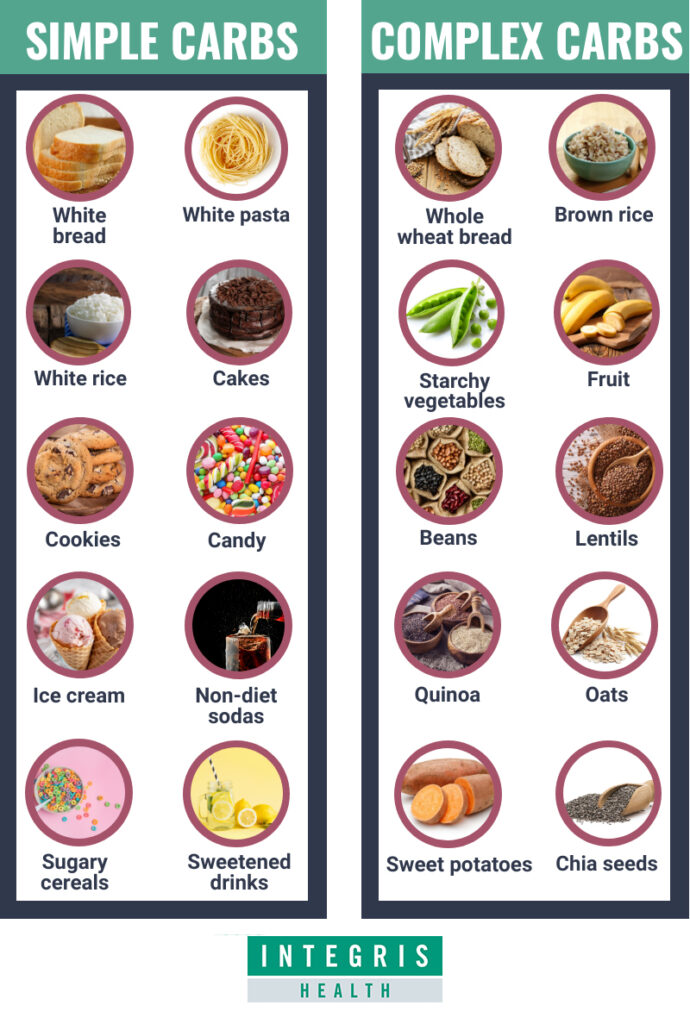
Simple carbs, like those found in sugary snacks and drinks, can cause quick spikes in blood sugar. In contrast, complex carbs, found in foods like whole grains and legumes, are absorbed more slowly and provide more stable energy. When choosing carbohydrates, it’s best to choose foods with complex carbs to help control your blood sugar.
It’s also essential to combine carbohydrates with other nutrients, such as proteins and healthy fats, to further regulate blood sugar levels. A meal with a good balance of these nutrients will not only keep your blood sugar levels more stable but will also keep you satisfied and full for a longer period. This can prevent overeating and help in weight management, which is another crucial aspect of controlling blood sugar.
Simple vs Complex Carbs
4. The Power of Protein
Having a good protein source at each meal can help slow the absorption of carbohydrates and sugar, keeping you fuller for longer and your blood sugar steady. Lean meats, fish, dairy, and plant-based proteins like lentils and chickpeas are excellent choices.
It’s essential to consider the quality of the protein as well; opt for grass-fed, organic, or wild-caught options when possible. Not only does protein aid in blood sugar regulation, but it also plays a critical role in repairing tissues and building muscle.
For vegetarians or those looking to reduce meat intake, quinoa, tofu, and tempeh are fantastic alternatives, providing both protein and a variety of other nutrients beneficial for overall health. Incorporating a diverse range of proteins in your diet ensures a broader spectrum of nutrients, contributing to better health and effective blood sugar control.
5. Exercise Regularly
Regular physical activity is a cornerstone of blood sugar management. It helps your body use insulin more efficiently, which can lower your blood sugar levels. Aim for a mix of cardio, strength training, and flexibility exercises. Consistency is key here – even a brisk walk daily can make a significant difference.
However, it’s not just about the type of exercise, but also the timing. Exercising after meals, for example, can be particularly effective in controlling post-meal blood sugar spikes. Even a short 10-15 minute walk after eating can have a noticeable impact.
Additionally, variety in your exercise routine can prevent boredom and keep you motivated. Try different activities like swimming, cycling, or group fitness classes to keep things interesting. Remember, the best exercise is the one you enjoy and can stick to in the long run. By integrating regular physical activity into your life, you’re not just managing your blood sugar levels but also improving your overall health and well-being.
6. Monitor Your Blood Sugar
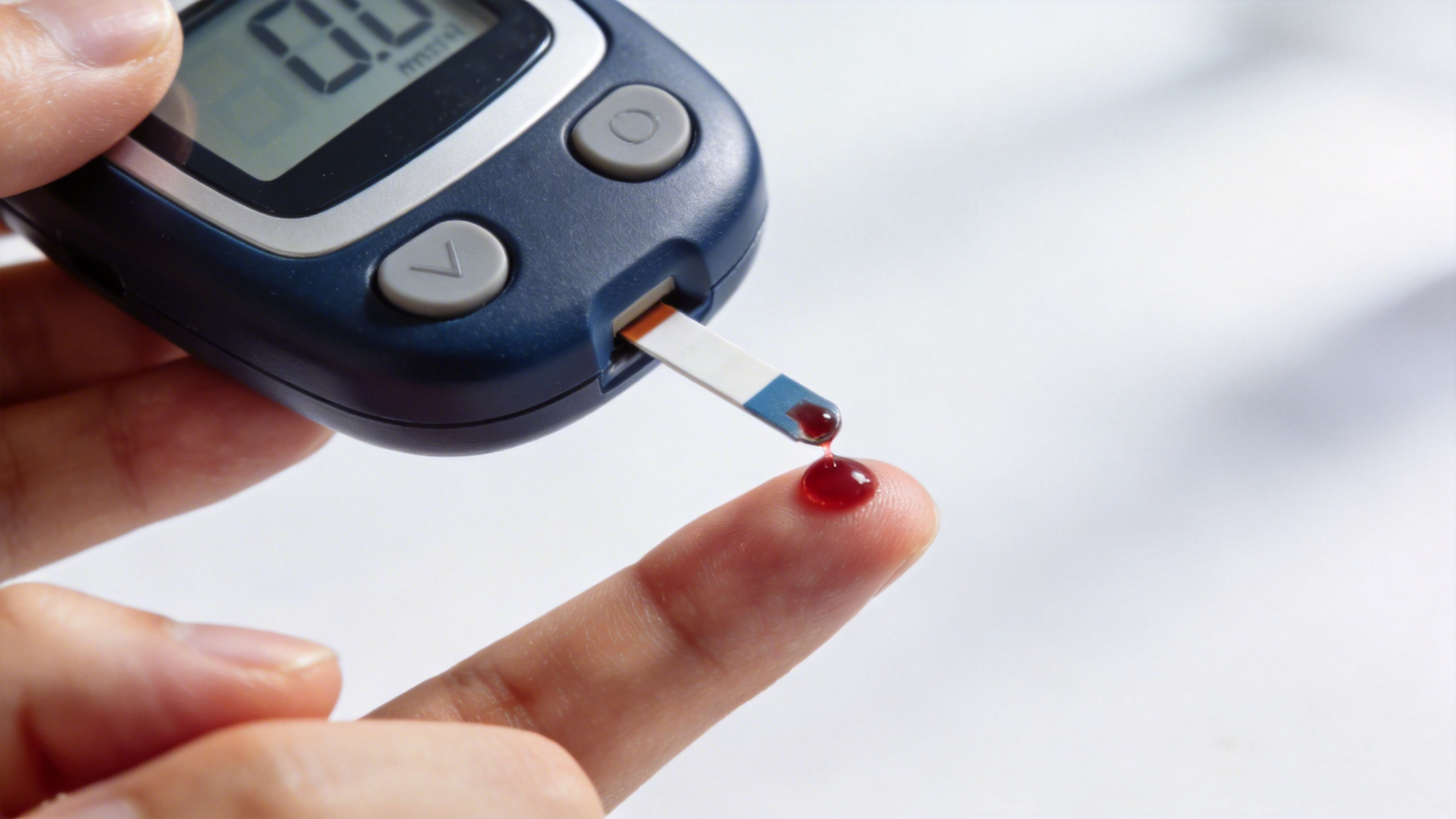
Keeping track of your blood sugar levels using a glucometer is more than a routine; it’s a window into understanding how your body reacts to different stimuli. Regular monitoring can help you see the immediate effects of dietary choices, physical activity, and even emotional states on your blood sugar levels. This insight is invaluable in tailoring a personal approach to blood sugar management.
For those with diabetes, frequent monitoring is essential for managing the condition and preventing complications. However, even if you don’t have diabetes, understanding your body’s responses can help you make more informed choices. For instance, you might notice that certain foods cause a significant spike in blood sugar levels, which can be an indicator to moderate or avoid these foods.
Moreover, tracking your blood sugar can be empowering. It provides tangible evidence of how your lifestyle changes are paying off. Seeing the direct impact of a healthy diet, regular exercise, and stress management on your blood sugar readings can be incredibly motivating. It’s not just about numbers; it’s about gaining control over your health and seeing real progress.
7. Hydration is Key
Water isn’t just a thirst quencher; it’s a vital tool in managing your blood sugar. Opt for water or unsweetened beverages over sugary drinks like sodas or sweetened teas, which can cause rapid increases in blood sugar levels.
Moreover, understanding your body’s signals is crucial. Sometimes, what we interpret as hunger can actually be signs of dehydration. By staying hydrated, you can avoid unnecessary snacking, which can contribute to blood sugar fluctuations.
In essence, make water your go-to drink. Carry a water bottle with you throughout the day to remind yourself to drink regularly. By prioritizing hydration, you’re taking a simple yet powerful step in managing your blood sugar and enhancing your overall health.
8. Stress Less
Stress is a natural part of life, but chronic stress can wreak havoc on your blood sugar levels. When you’re stressed, your body releases stress hormones like cortisol and adrenaline, which can cause your blood sugar to rise.
To combat this, consider incorporating stress-reduction techniques into your daily routine. Deep breathing exercises, such as diaphragmatic breathing, can help calm your nervous system and lower stress hormone levels. Yoga and meditation are also excellent choices for reducing stress and promoting relaxation.
In addition to these practices, finding healthy outlets for stress, such as engaging in hobbies you enjoy or spending quality time with loved ones, can provide emotional support and alleviate stressors.
Remember that managing stress is not only beneficial for your blood sugar but also for your overall well-being. By reducing stress in your life, you’re taking a significant step toward better blood sugar control and improved health.
9. Get Quality Sleep
Quality sleep is not just about the quantity of hours you spend in bed; it’s about the restorative power of those hours. When you consistently experience restful slumber, your body can perform essential maintenance and repair functions, including blood sugar regulation. During deep sleep, your body fine-tunes its hormone balance, including insulin, which plays a central role in regulating blood sugar levels. Sleep deprivation can disrupt this delicate balance, leading to insulin resistance and higher blood sugar levels.
By prioritizing quality sleep, you not only support better blood sugar control but also enhance your overall well-being. You’ll wake up feeling more refreshed, energized, and better equipped to tackle the day ahead.
10. Medication and Regular Check-ups
While lifestyle modifications are the cornerstone of blood sugar management, some individuals may require medications to achieve optimal control. It’s essential to work closely with our office to determine the right treatment plan for your specific needs.
Medications for blood sugar control can vary widely, from oral medications that help your body use insulin more effectively to injectable insulin itself. Your healthcare provider will consider factors such as your blood sugar levels, overall health, and personal preferences when recommending a treatment regimen.
Regular check-ups are vital to monitor your progress and make necessary adjustments to your treatment plan. During these appointments, your healthcare provider will review your blood sugar levels, discuss any challenges or concerns you may have encountered, and provide guidance on optimizing your management strategies.
Additionally, these appointments are an opportunity to assess your overall health and screen for any potential complications related to diabetes or blood sugar imbalances. Catching and addressing issues early can help prevent more severe complications down the road.
Remember that your healthcare provider is your partner in managing your blood sugar effectively. Be open and honest about your experiences, and don’t hesitate to ask questions or seek clarification on any aspect of your treatment plan. With the right combination of lifestyle changes, medication, and regular check-ups, you can achieve and maintain stable blood sugar levels, promoting your long-term health and well-being.
Bottomline
Controlling blood sugar is a journey unique to each individual, but the destination is the same: a healthier, more vibrant life. Start by implementing these ten steps, monitor your progress, and adjust as needed. Remember, small, consistent changes can lead to significant results. Take charge of your health today and enjoy the sweet, balanced life you deserve!
While coffee is a beloved beverage enjoyed by millions around the world, there are legitimate concerns about its potential drawbacks.
In this article, we will explore the question, “Am I drinking too much coffee?”
We will also delve into the safety of coffee consumption and provide guidelines on how much coffee is considered safe to drink.
The Pros and Cons
Before we determine if you’re consuming too much coffee, let’s examine the pros and cons associated with caffeine.
The Pros:
Boosts Alertness and Mental Focus: Coffee contains caffeine, a natural stimulant that can enhance alertness, mental focus, and cognitive function. This is why many people turn to coffee as their go-to morning pick-me-up. Caffeine works by blocking the action of adenosine, a neurotransmitter that promotes sleep and relaxation, leading to increased wakefulness and improved concentration.
Antioxidants: Coffee is a robust source of antioxidants, including chlorogenic acid and polyphenols. Antioxidants play a crucial role in neutralizing harmful free radicals in the body, which can contribute to oxidative stress and cell damage. Consuming coffee regularly may help reduce the risk of chronic diseases linked to oxidative stress, such as cancer and cardiovascular disease.
May Reduce the Risk of Certain Diseases: Several studies have suggested that moderate coffee consumption may be associated with a lower risk of specific diseases:
Parkinson’s Disease: Some research indicates that the caffeine and antioxidants in coffee may reduce the risk of Parkinson’s disease, a neurodegenerative disorder.
Type 2 Diabetes: Some evidence suggests that coffee may improve insulin sensitivity and reduce the risk of type 2 diabetes. However, it’s important to note that this effect may vary among individuals.
Social Beverage: Beyond its physiological benefits, coffee often serves as a social centerpiece. It provides an opportunity for people to gather, engage in conversation, and build connections. Whether it’s catching up with friends at a coffee shop or sharing a cup with colleagues at work, coffee fosters social interactions and a sense of community.
The Cons:
Insomnia and Sleep Disturbances: One of the most well-known drawbacks of coffee is its potential to disrupt sleep. Caffeine’s stimulating effects can interfere with the ability to fall asleep and maintain restful sleep patterns, particularly when consumed in the afternoon or evening. To avoid sleep disturbances, try to limit coffee intake in the hours leading up to bedtime.
Increased Heart Rate and Blood Pressure: Caffeine can temporarily elevate heart rate and blood pressure. While this effect is generally well-tolerated by most individuals, those with underlying cardiovascular issues should exercise caution. If you have hypertension or heart arrhythmias, it’s essential to discuss your coffee consumption with a healthcare provider.
Digestive Issues: Coffee is naturally acidic, which can lead to gastrointestinal discomfort in some individuals. Common complaints include acid reflux, indigestion, and stomach irritation. Choosing lower-acid coffee varieties or drinking coffee with food may help alleviate these issues.
Dependency and Withdrawal: Regular consumption of caffeine can lead to physical and psychological dependency. This means that over time, your body may become accustomed to the presence of caffeine, and you may experience withdrawal symptoms when attempting to cut back or quit suddenly. Common withdrawal symptoms include headaches, irritability, fatigue, and mood disturbances.
Safe Coffee Consumption:
So how much coffee is considered safe to drink? The answer may vary from person to person, depending on individual sensitivity to caffeine and overall health. However, here are some general guidelines:
Moderate Consumption: For most adults, consuming up to 400 milligrams of caffeine per day, roughly equivalent to four 8-ounce cups of brewed coffee, is considered safe. This amount is unlikely to lead to adverse health effects.
Consider Your Sensitivity: Some individuals are more sensitive to caffeine’s effects and may experience jitters, increased heart rate, or digestive issues even at lower doses. It’s essential to listen to your body and adjust your intake accordingly.
Avoid Excess Caffeine: Excessive caffeine intake, typically defined as exceeding 600 milligrams per day, can lead to adverse effects such as insomnia, nervousness, and increased heart rate. It’s best to avoid reaching this level.
Timing Matters: Be mindful of when you consume caffeine. Avoid drinking coffee too close to bedtime to prevent sleep disturbances.
Special Considerations: Pregnant individuals, people with certain medical conditions (e.g., heart arrhythmias), and those taking specific medications should consult with their healthcare provider regarding their coffee consumption.
Bottomline
Coffee offers a range of potential benefits, from increased alertness and antioxidants to a reduced risk of certain diseases. However, it’s essential to be aware of its potential drawbacks, including sleep disturbances, effects on heart rate and blood pressure, digestive issues, and the possibility of dependency and withdrawal.
To enjoy the benefits of coffee while minimizing its negative effects, it’s advisable to consume it in moderation, pay attention to individual tolerance, and consider factors such as timing and personal health conditions. If you have any concerns about your coffee consumption or its impact on your health, please don’t hesitate to give our office a call.
Many of my patients are often concerned about cancer testing and rightly so. As of this writing, the amount of people diagnosed with cancer continues to rise. In addition, certain types of cancers such as prostate and colon cancer are now being diagnosed in younger individuals. Because of this, understanding your risk as well as which cancers you should be testing for is vital.
In this comprehensive guide, I will delve into the specifics of cancer screenings for different types of cancers. I will highlight the importance of each screening test and share the recommended timelines for getting each test.
Prostate Cancer Screening
Prostate cancer is one of the most common types of cancer affecting men. Early detection is crucial for successful treatment. The two primary tests used for screening are the PSA as well as the digital rectal exam:
Screening tests:
Prostate-Specific Antigen (PSA) Test: This blood test measures the level of PSA, a substance produced by the prostate gland. Elevated levels may indicate the presence of cancer. Digital Rectal Exam (DRE): During this exam, a doctor manually examines the prostate gland through the rectal wall to check for abnormalities.
General Screening Guidelines:
General Recommendations: Men should start discussing prostate cancer screening with their healthcare provider at age 50.
High-Risk Groups: Those with urinary symptoms, a family history of prostate cancer, or African American men should consider starting discussions about prostate cancer screening around age 40 to 45.
Breast Cancer Screening
Breast cancer is a major health concern for women worldwide. Today breast cancer diagnosis is on the rise but we know that early detection can significantly improve treatment outcomes.
Screening Tests:
Mammography: This is an x-ray of the breast and is the most common screening test for breast cancer. It can detect tumors that are too small to be felt.
Breast Ultrasound: An ultrasound or sonogram of the breast may be used in conjunction with a mammogram to help detect breast cancer. A breast ultrasound alone is not a recommended screening tool for breast cancer in women older than 40 or women with less dense breast tissue.
Breast MRI: For women at high risk, a breast MRI may be recommended in addition to mammography and/or ultrasound.
General Screening Guidelines:
Women aged 40-44: Have the option to start annual breast cancer screening with mammograms.
Women aged 45-54: Should get mammograms every year.
Women 55 and older: Can switch to mammograms every 2 years, or continue yearly screening.
Colon Cancer Screening
Colon cancer screening is critical as it can detect precancerous polyps that can be removed before they turn into cancer.
Screening Tests:
Colonoscopy: This test involves examining the entire colon and rectum with a flexible, lighted tube.
Fecal Immunohistochemical Test (FIT): This test checks for microscopic blood in the stool, which can be a sign of cancer.
Stool DNA Test (Cologuard): This test looks for certain DNA markers that cells from colorectal cancer or polyps shed into the stool.
Note: There are other tests for Colon Cancer such as the fecal occult blood test and the CT colonography. However, the tests mentioned above are the Tier 1 recommended tests for colon cancer.
General Screening Guidelines:
In a recent update by the U.S. Multi-Society Task Force of Colorectal Cancer, which includes experts from the American College of Gastroenterology, the American Gastroenterological Association, and The American Society for Gastrointestinal Endoscopy, new guidelines for colorectal cancer (CRC) screening have been released.
These guidelines categorize screening for colon cancer into three tiers based on their effectiveness, cost, and practicality. The top recommended tier for testing includes a colonoscopy every 10 years and an annual fecal immunochemical test (FIT). Both colonoscopy and FIT are emphasized as the primary methods for Colorectal Cancer screening. This now means these two tests are considered the most reliable and effective ways to check for colorectal cancer regularly. More frequent screening may be recommended for those at higher risk, such as individuals with a personal or family history of colon cancer or individuals with an abnormal colonoscopy.
Screening should begin at age 50 for most individuals and continue until age 75. For those at higher risk of colon cancer, those with a family history of colon cancer, or black men, the recommendations for screening start earlier than age 50. You should discuss the appropriate age which you should start screening with your doctor to ensure that you are appropriately screening for Colorectal Cancer.
Cervical Cancer Screening
Cervical cancer was once one of the most common causes of cancer death for American women. However, the cervical cancer death rate has dropped significantly with the increased use of the Pap Smear test. This screening procedure can find changes in the cervix before cancer develops. It can also find cervical cancer early when it’s small and easier to cure.
Screening Tests:
Pap Smear: During a Pap smear, cells from the cervix are gently scraped away and examined for abnormal growth.
HPV Testing: This test looks for the presence of high-risk types of human papillomavirus (HPV). HPV is a type of virus that is most commonly known to cause cervical cancer.
A study published in the Journal of the American Medical Association (JAMA) in 2023 highlighted the importance of regular cervical cancer screening for individuals aged 21 to 65 years with a cervix. The study emphasized that cervical cancer can be effectively prevented by screening for and treating precancerous cells also known as high-grade squamous intraepithelial lesions.
General Screening Guidelines:
Women aged 21-29: Should have a Pap test every 3 years.
Women aged 30-65: Should have a Pap test combined with an HPV test every 5 years or a Pap test alone every 3 years.
Women over 65: May be able to stop screening if they have a history of normal results.
High-Risk Group Screenings
Certain types of cancer, such as lung, liver, uterine, and ovarian cancer, are screened primarily in high-risk groups due to the nature of the disease and the current state of screening technology.
Lung Cancer:
High-Risk Population: Includes older adults with a history of heavy smoking.
Screening Test: Yearly Low-Dose Computed Tomography (LDCT) is recommended for those at high risk.
Liver Cancer:
High-Risk Population: Individuals with chronic hepatitis B or C or cirrhosis.
Screening: Regular ultrasound examinations and Alpha-fetoprotein (AFP) blood tests.
Uterine and Ovarian Cancer:
High-risk individuals: Those with a family history or genetic predisposition.
Screening Tests: There are no standard screening tests for these cancers. However, high-risk individuals may undergo more frequent gynecological examinations and imaging tests. You should discuss your risk for uterine or ovarian cancer and the appropriate screening with your doctor.
Why We Don’t Typically Screen for Certain Cancers (Brain, Pancreas, Kidney)
Screening for cancers such as those of the brain, pancreas, and kidney on a population level is not typically done for several reasons:
Challenges in Early Detection: These cancers often don’t have specific symptoms or effective early screening tests.
Low Prevalence: Compared to other cancers, these cancers are relatively rare in the general population.
Current Research: Ongoing research is focused on finding reliable methods for early detection of these cancers.
Importance of Symptom Awareness: Being aware of and reporting unusual symptoms to a healthcare provider is crucial for these cancers.
Cancer screening is a vital component of preventive health care. Understanding the when, how, and why of various cancer screenings empowers you to take proactive steps toward reducing your risk. Regular annual exams and staying informed about the latest screening guidelines are essential. Remember, each person’s risk factors and health history are unique, so it’s important to have regular discussions with your doctor to determine the most appropriate screening plan. If you have any questions about cancer screening feel free to call our office and speak with our doctors.
The dreaded cold season is upon us again. As the temperatures drop and the days get shorter, it’s not uncommon to find yourself sniffling, sneezing, and feeling downright miserable. Over-the-counter (OTC) cold medications can help when you are looking for a quick way out. However, with a plethora of options available at your local pharmacy, it can be overwhelming to figure out which ones are best for your specific symptoms.
In this article, we’ll help you navigate the aisles and choose the right OTC cold medications for your runny nose, cough, congestion, sore throat, body aches, and fever.
Please note that all of these medications have side effects and should not be taken by everyone. If you are pregnant, have any medical conditions, or are taking any medications or supplements, please consult with your doctor before starting these medications.
Managing a Runny Nose
A runny nose, often caused by excess mucous production, can be one of the most annoying cold symptoms to treat. To alleviate this annoyance, consider antihistamines such as loratadine (Claritin) or cetirizine (Zyrtec). These Over-the-counter cold medications effectively block histamine, a chemical that triggers mucus production. By reducing histamine activity, these antihistamines can help diminish the production of excess mucus.
Additionally, decongestants like pseudoephedrine (Sudafed) can be beneficial in relieving congestion and reducing the accompanying runny nose. Decongestants work by constricting the blood vessels in the nasal passages, allowing for easier breathing and less mucus production.
Quick Tip:
To quickly alleviate a runny nose, try using a saline nasal spray. Saline nasal sprays help flush out excess mucus and provide instant relief without the potential side effects of some OTC medications. They are gentle and safe for all ages, making them an excellent choice for managing this common cold symptom. Remember to stay hydrated as well, as it can help thin mucus and ease congestion.
Dealing with a Cough
Coughing can be disruptive and even painful, especially when it persists through the night. If you have a dry, persistent cough, OTC cough suppressants containing dextromethorphan (DM) can provide relief by reducing the urge to cough. DM acts on the brain’s cough center to decrease the cough reflex. However, it’s important to note that these medications are most effective for dry coughs and may not be suitable for coughs that produce mucus.
In cases where your cough is productive and involves bringing up mucus, consider an expectorant like guaifenesin (Mucinex). Guaifenesin helps thin and loosen mucus, making it easier to clear from your airways. Some OTC cough syrups combine both cough suppressants and expectorants for comprehensive relief, so look for these if you have a combination of dry and productive cough symptoms.
Quick Tip:
To ease a nagging cough, try a warm honey and lemon concoction. Mix a teaspoon of honey with freshly squeezed lemon juice in warm water. Sip this soothing blend to relieve throat irritation and reduce coughing fits. Honey’s natural antibacterial properties can also help calm an irritated throat.
Easing Congestion
Nasal congestion can make breathing feel like a daunting task. For fast relief, decongestant nasal sprays like oxymetazoline (Afrin) are effective in quickly narrowing the blood vessels in your nasal passages, providing immediate relief from congestion. However, it’s essential to use these sprays sparingly and strictly follow the dosing instructions, as overuse can lead to a phenomenon known as “rebound congestion,” where your symptoms worsen when the medication wears off.
Alternatively, oral decongestants like phenylephrine (Sudafed PE) can effectively address congestion, though they may cause drowsiness in some individuals. Be cautious with oral decongestants, especially if you need to stay alert and focused during the day.
Quick Tip:
To quickly alleviate nasal congestion, try this simple trick: take a hot, steamy shower or create a DIY steam inhalation. The warm, moist air helps open up your nasal passages, making it easier to breathe. You can also use a saline nasal spray to moisten and clear your nostrils. Just a few sprays in each nostril can provide instant relief from congestion. Remember to stay hydrated as well, as it helps keep mucus thin and easier to clear.
Soothing a Sore Throat
A sore throat can make swallowing a painful and unpleasant experience. Lozenges containing numbing agents like benzocaine (Cepacol) or menthol (Halls) offer temporary relief by soothing the irritation in your throat. These lozenges can provide much-needed comfort, especially when dealing with a scratchy or dry throat. For more sustained relief, consider nonsteroidal anti-inflammatory drugs (NSAIDs) like ibuprofen (Advil) or acetaminophen (Tylenol). These OTC medications can reduce throat pain and inflammation, allowing you to swallow more comfortably and get on the path to recovery.
Quick Tip:
Consider gargling with warm salt water multiple times a day. Dissolve half a teaspoon of salt in a glass of warm water and use it as a soothing gargle. This simple home remedy can help reduce throat inflammation and ease discomfort, providing quick relief for your sore throat.
Alleviating Body Aches
Body aches are a common and uncomfortable cold symptom that can leave you feeling utterly miserable. NSAIDs such as ibuprofen or naproxen (Aleve) can help by reducing inflammation and alleviating pain. These medications can be especially effective for addressing the muscle and joint pain often associated with a cold.
Alternatively, acetaminophen is another option for pain relief, though it lacks anti-inflammatory properties. Be diligent about following dosing instructions to avoid exceeding the recommended dosage, as excessive use of acetaminophen can harm your liver. If you’re dealing with severe body aches, it may be beneficial to alternate between NSAIDs and acetaminophen to manage your symptoms effectively.
Quick Tip:
To quickly relieve body aches associated with a cold, try taking a warm bath or shower. The warm water helps relax your muscles and provides temporary relief from discomfort. Additionally, consider using a heating pad or a hot water bottle to target specific areas of pain. Be sure to follow safety precautions and avoid applying heat directly to your skin to prevent burns.
Managing Fever
Fever is your body’s natural response to infection but can be uncomfortable and debilitating. Over-the-counter cold medications like acetaminophen and NSAIDs, such as ibuprofen, can help lower your fever and provide relief from associated symptoms like headaches and muscle pain. These medications work by reducing the body’s temperature set-point in the brain and can help you feel more comfortable during your illness. Ensure you adhere to recommended dosages to avoid any risk of overdose.
Also, remember that fever itself is not a disease but a symptom of an underlying condition. While OTC fever reducers can provide relief, it’s essential to address the root cause of the fever by treating the underlying infection or illness if possible.
Quick Tip:
When using Over-the-Counter (OTC) medications to manage fever, it’s essential to stay hydrated. Fever can lead to increased fluid loss through sweating and increased breathing rate. Make sure to drink plenty of water, clear fluids, or electrolyte-rich beverages to prevent dehydration. Hydration, in conjunction with fever-reducing OTC medications, can help you feel more comfortable and support your body’s recovery process.
If you’re experiencing a combination of symptoms, you may find it more convenient to use combination OTC cold medications. These products typically contain a blend of ingredients designed to address multiple symptoms at once. However, always read the label carefully to avoid inadvertently taking multiple medications with similar ingredients, as this can lead to double dosing and potential side effects. Combination medications can be a convenient option for managing various symptoms simultaneously, but they may not be necessary if you can effectively address each symptom individually with single-ingredient OTC medications.
Consult a Healthcare Professional
While OTC cold medications can provide relief for many individuals, it’s crucial to use them responsibly and adhere to recommended dosages. If your symptoms persist for over a week, worsen, or are accompanied by severe complications such as difficulty breathing, high fever, or persistent chest pain, it’s essential to seek advice from a healthcare professional immediately. These could be signs of a more serious condition requiring medical attention.
Additionally, some individuals, such as those with certain medical conditions or taking specific medications, may need to exercise caution when using OTC cold medications. Consulting with a healthcare provider can help ensure your safety and the most effective treatment plan for your specific circumstances.
Bottomline
Selecting the appropriate over-the-counter cold medications for your specific symptoms doesn’t have to be an overwhelming task. By understanding the purpose of each type of medication and carefully reading labels, you can effectively manage your runny nose, cough, congestion, sore throat, body aches, and fever. Responsible usage of these medications is essential for a faster recovery and improved comfort during your cold. Remember, when in doubt, don’t hesitate to consult a healthcare professional for guidance.
For those looking to explore additional ways to support their immune system during a common cold, you can learn more about the best supplements to take here.
Stay warm, get plenty of rest, and here’s to a speedy recovery from your cold!
The debate surrounding the use and legalization of marijuana has persisted for decades, with many different opinions on its potential benefits and harms. While many advocate for its therapeutic properties and possible low potential for addiction, others including a growing number of healthcare providers are concerned about the adverse effects of marijuana on mental health and overall well-being.
This article delves into the nuances of marijuana use and explores the benefits and risks. We will also provide a balanced perspective on the overall impact of marijuana today.
Understanding Marijuana
Marijuana, commonly known as cannabis, is derived from the Cannabis sativa plant and contains a psychoactive compound called tetrahydrocannabinol (THC). The plant has been used for various purposes throughout history, ranging from medicinal to recreational and spiritual contexts.
Now that marijuana has become legal for medical use in many countries and has even become legal for recreational use in some, the perception of marijuana has shifted significantly in recent years.
Benefits of Marijuana
Research suggests that certain components of marijuana, such as cannabidiol (CBD), possess therapeutic properties that can alleviate symptoms associated with various medical conditions, including chronic pain, epilepsy, multiple sclerosis, and certain mental health disorders.
Additionally, some cancer patients undergoing chemotherapy have reported that marijuana helps to alleviate nausea and stimulate appetite, contributing to an improved quality of life during treatment.
Many also argue that marijuana is a safer alternative to other substances commonly used for pain management, such as opioids. Because of the lower potential for addiction and overdose, it has been suggested that Marijuana has a potential role in addressing the opioid crisis as it provides a less harmful option for individuals suffering from chronic pain.
Risks and Concerns
Despite the arguments in favor of marijuana, there are still concerns regarding its potential risks, especially when used recreationally and among certain populations. The high levels of THC in some marijuana strains can lead to adverse effects on cognitive functions, particularly in those whose brains are still in the developmental stage. Prolonged use among teenagers has been linked to impaired memory, decreased cognitive function, and an increased risk of developing mental health disorders such as schizophrenia.
Moreover, marijuana has the potential to help alleviate pain. Because of this, long-term use of cannabis for pain management may lead to the development of tolerance, resulting in higher doses needed for the same effect. This can potentially increase the risk of dependence and addiction, particularly among those at higher risk of substance use disorders.
The Impact on Mental Health
While some studies suggest that CBD, a non-psychoactive component of marijuana, may have therapeutic effects for certain mental health conditions, such as anxietyand PTSD, the relationship between THC and mental health is actually more complex.
Studies indicate that regular and heavy use of high-THC marijuana may be associated with an increased risk of developing psychiatric disorders, especially in individuals with a predisposition to these conditions. Long-term marijuana use has actually been linked to an increased risk of developing depression and anxiety disorders, challenging the idea that marijuana is entirely beneficial for mental health.
Balancing Perspectives
Legalizing marijuana presents a challenge as lawmakers have to strike a balance between addressing public health concerns and respecting individual freedoms.
For those who use marijuana recreationally it’s important to understand that while Marijuana has the potential for several benefits as discussed above, using marijuana can also present many risks.
Today, dosages of THC are often concentrated much higher than they have been in the past leading to more potent effects. In addition, we do not yet understand all the effects that the long-term use of marijuana can have on such things as neurocognitive function, cancer risk, metabolic function, or cardiovascular health.
If you actively use marijuana, we recommend weighing the risks and benefits of long-term chronic use. Keep in mind that marijuana is still a psychotropic substance that can lead to dependence and may have both short-term as well as potential long-term effects on your health that we may not yet know. You should always avoid marijuana use in certain settings such as when driving or when clear decision-making is needed.
Lastly, avoid using marijuana around those who may still be undergoing neurocognitive development or those who are at risk for potential harm from THC exposure such as children or the elderly. While there is no known toxicity level, marijuana use is not completely without harm and should be used in a way that does not increase the risk of immediate harm to yourself or others.