How to Prevent UTIs

Urinary tract infections, or UTIs, cause discomfort and frustration for many people, especially women. If you’ve endured the pain of a UTI, you understand the urgency of prevention. While antibiotics offer relief post-infection, the true defense lies in preventing UTIs in the first place.

UTIs often target women and those assigned female at birth. Around 20% of women will experience a UTI in their lifetime. 


What is Urinary Tract Infection (UTI)?

A Urinary Tract Infection (UTI) is a prevalent microbial infection affecting various components of the urinary system. The urinary system encompasses the urethra, bladder, and kidneys, and UTIs can manifest in any of these anatomical segments.
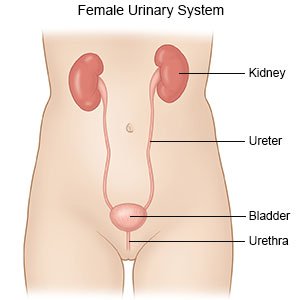
UTIs commonly originate from bacterial infiltration of the urinary tract.

Escherichia coli (E. coli), Klebsiella, Proteus, and Enterococcus are the most common bacteria that can cause a UTI.

These bacteria typically ascend into the urinary tract urethra and can eventually move into the urinary bladder. When the bladder isn’t completely voided and bacteria continue to overgrow the infection can eventually climb further up and into the kidneys, resulting in a kidney infection (pyelonephritis).


Here are 12 ways you can help to prevent UTIs


1. Drink Plenty of Water

Staying well-hydrated is a cornerstone of urinary tract health. Women who consume less than 1.5 liters of water daily have a 50% increased risk of developing UTIs. If you are prone to getting UTIs then you should be hydrating regularly. Adequate hydration encourages frequent urination which helps to flush out bacteria from your urinary tract. Aim for about eight glasses of water every day.

If plain water isn’t your preference, consider decaffeinated herbal tea or milk.  Avoid hydrating with excessively sweetened beverages as this may contribute to elevated blood glucose levels.

Reducing alcohol and caffeine intake can also contribute to a healthier urinary system.


2. Urinate Before and After Intercourse

Sexual activity – especially in women – can introduce bacteria into the urethra. To mitigate this risk, habitually urinate before and after intimacy. This practice helps eliminate potential bacteria that could lead to a UTI.

Additionally, gently cleaning your genital area before intercourse can contribute to maintaining cleanliness and minimizing the transfer of bacteria to the urethra.


3. Stay Hydrated After Intercourse

After intercourse, try to drink a glass of water to help flush out any bacteria that might have entered your urethra during sexual activity.


4. Wipe Front to Back

After using the bathroom, make it a habit to wipe your genital area from front to back. This simple action is crucial because the rectum is a common source of E. coli bacteria. By wiping in this direction, you minimize the risk of transferring these bacteria from the anus to the urethra which can prevent UTIs.

If you are dealing with diarrhea, adhering to the front-to-back wiping method becomes even more critical.

Diarrhea can disrupt normal bowel movements and increase the potential for E. coli to spread from the rectum to the urethra.


5. Take Cranberry Extract

Cranberry extract can be an effective preventive measure against UTIs. Regular consumption of cranberry products containing proanthocyanidins (PACs) can hinder the attachment of bacteria to the bladder wall, reducing the risk of infection. Opt for cranberry supplements over cranberry juice, as supplements provide a higher concentration of PACs.


6. Avoid Scented Vaginal Washes and Bubble Baths

Preserving the inherent bacterial equilibrium within the vaginal region plays a pivotal role in UTI prevention. Scented feminine products have the potential to upset this delicate balance, providing an environment for detrimental bacteria to thrive. It’s advised to avoid the use of scented douches, pads, tampons, and powders. Additionally, scented bath oils, soaps, and bubble baths can lead to genital irritation and disrupt the harmonious bacterial equilibrium of the vaginal area.


7. Avoid Holding Your Urine

Delaying trips to the restroom can create a breeding ground for bacterial growth. If you are prone to getting UTIs aim to urinate every 3 to 4 hours and fully empty your bladder each time. This practice becomes even more crucial during pregnancy, as pregnancy increases the risk of UTIs.


8. Use Probiotics

Probiotics are vital in maintaining a healthy balance of bacteria in your body, including your urinary tract. They promote a strong immune system and support the growth of beneficial bacteria in both the vagina and urinary tract.

Including probiotic-rich foods like yogurt, sauerkraut, and kefir can help prevent the propagation of harmful bacteria that can lead to UTIs.


9. Opt for Loose Clothing

Choose clothing that promotes airflow and minimizes moisture accumulation in your genital area. This can help inhibit bacterial growth that thrives in warm, damp environments.


10. Evaluate Birth Control Methods

Some birth control methods can contribute to bacterial overgrowth and UTIs. Diaphragms, non-lubricated condoms, spermicides, and spermicide condoms are potential culprits. If you suspect your birth control is linked to UTIs, consult with your doctor to explore alternative options for birth control


11. Prioritize Proper Hygiene

Practicing good hygiene habits is essential for preventing UTIs. As discussed, wiping from front to back after using the restroom helps prevent the transfer of bacteria from the rectum to the urethra. However, showering daily and especially after activity that causes sweating is even more crucial if you are prone to UTIs.


12. Consider Antibiotics When Necessary

If you experience recurrent UTIs unresponsive to preventive treatment, your healthcare provider might recommend a low daily dose of oral antibiotics. This preventive approach can help manage harmful bacteria and reduce the likelihood of UTIs.

However, long-term antibiotic use should be closely monitored by your medical provider.

While common, UTIs are an unwanted nuisance and can lead to serious infection if left untreated.

Adopting these simple yet effective practices proactively can help reduce the risk of introducing detrimental bacteria into your urinary tract and keep you pain-free. 


Dr. Sergio Guiteau is a physician who is board certified in Family Practice and Sports Medicine with added certifications in Aesthetic Medicine. He specializes in Preventive MedicineSports Medicine, and  Anti-Aging Medicine and blogs on rhm.sys.mybluehost.me/website_d5adaba3/blog

How Can I Lose Weight Naturally?

When you’re trying to lose weight, it’s easy to become overwhelmed by all of the diets, supplements, and meal replacement plans promising quick results. It’s important to approach these claims with a critical eye since most of them don’t have the support of scientific evidence.

The ones that do however all boil down to one common thing – limiting your calories.

Limiting your caloric intake or burning more calories than you consume is the only way to lose weight. Learning and mastering how to do this consistently over time is how you lose weight and keep it off.

In this guide, I will teach you how to curb your caloric intake and how to keep it in check consistently.

We will cover everything from creating a calorie deficit to tracking your progress to maintaining weight loss.


Caution: This is not a lose-weight quick guide. This article will show you how to manage your diet so that you can lose weight consistently one pound at a time without the need for dieting or medications.


What are Calories?

Before we delve into how you can lose weight naturally, you must understand calories. 

A calorie is merely a unit of heat energy. Generally speaking, it is defined as the amount of heat energy needed to heat 1 gram of water by 1 degree Celsius. Today, we can use a machine known as a bomb calorimeter to burn food and measure how many calories (heat energy) are released from the foods that we eat and the drinks that we consume.

The amount of calories in specific foods is determined by their unique chemical composition. Generally, foods high in fats and carbohydrates provide more calories, while protein-rich alternatives typically provide fewer calories.

Similarly, when we eat food our bodies metabolize that food for energy. The heat energy released is also measured in calories. This can be measured using a formula known as the Harris-Benedict Formula. You will not have to use this formula.

The more food we consume the more fuel we have to utilize. If we consume too much food our bodies will store that extra fuel for future use. We indirectly measure this fuel as calories. Or put another way, our bodies will store the extra calories.

Eating too many calories will result in weight gain.


How Many Calories Do I need?

The amount of calories you need per day is called your basal metabolic rate (BMR). Your BMR is the amount of calories your body burns at rest to maintain vital functions. 

You can use this calculator here to get a better estimation of your BMR. 


How Many Calories Do I Burn Per Day?

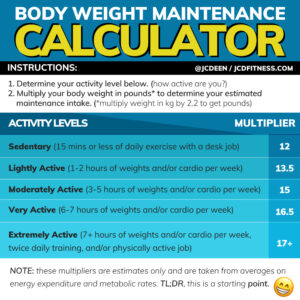
Now that you know how many calories you burn at rest or BMR, you need to understand how many calories you use or burn per day given your activity level. Your activity level significantly influences the amount of calories you burn per day. Calculating how many calories you burn based on your activity level will show you the difference between what you need at rest versus what you are burning based on your lifestyle.

 You can use the chart below to calculate this. Just multiply your weight in pounds by the multiplier in the right-hand column that corresponds with your activity level.

For instance, if you weigh 190 pounds and you are lightly active then you would do the following: 190 x 13.5 = 2,565 cal. Thus your body needs 2,565 calories per day to maintain your current weight. Eating any more than this consistently will cause you to gain weight whereas eating any less than this consistently will result in weight loss.

You must eat at a caloric deficit in order to lose weight.

Note: This is only an estimate. You may be burning slightly more or less calories per day however this will give you a good starting point.


How Many Calories Should I Cut Per Day?

Now that you know how many calories you are burning daily, you can start deciding how many calories you need to cut out in order to lose weight.

While the number of calories required to gain or lose a pound depends on a variety of factors, as a general rule of thumb, you should cut your caloric intake by about 500 calories per day to lose 0.5 lb to 1lb a week. While this is not a perfect calculation, this is a good place to start in order to get an idea of how many calories you need to eat in order to lose weight.

Always remember to stay hydrated if you are going to be cutting your caloric intake by drinking plenty of water.

You should also consult with your primary care provider if you plan on cutting more calories than this or if you notice any concerning symptoms.

How Can I Monitor My Caloric Intake?

Now that you know how many calories you need to eat to lose weight, you need to monitor how many calories you are consuming.

There are several apps and online calculators that will help you do this. 

Tracking your calories creates a sense of awareness and accountability.More importantly, it empowers you to make informed choices about portion size and food selection.

If you would rather not use calculators or apps to help you lose weight and prefer a general guide of what foods you should or should not eat, please reach out to our office directly.


How Can I Cut Calories?

Here are the three effective ways to cut your calories:

1. Cut Out Poor Quality High-Calorie Foods

This one is straightforward. When aiming to cut calories, you must cut down on poor quality high-calorie foods from your diet.These foods typically include processed snacks, sugary drinks, and items high in saturated fats.

You can significantly lower your caloric intake by reducing or eliminating these unhealthy choices. Opt for nutritious alternatives like fresh fruits, vegetables, lean proteins, and whole grains. 

2. Switch to More-Filling Low-Calorie Options

Another effective strategy to reduce caloric consumption is to switch from less-filling high-calorie options to more-filling, low-calorie options.

For instance, instead of reaching for calorie-dense desserts like cookies, pastries, and chips, consider alternatives like fresh berries or nuts like almonds or cashews. Similarly, swap out calorie-rich beverages like soda or sugary juices for water, low-sugar or sugar-free herbal tea, or sugar-free flavored sparkling water.

These substitutions allow you to enjoy satisfying foods and beverages while reducing your caloric intake.

3. Cut Down on Portion Sizes

Cutting down on portion sizes is a practical way to reduce calorie intake without eliminating your favorite foods.

Avoid eating whole portions in one sitting from restaurants. These portions tend to be more than one serving size and can be spread out over multiple days to help keep you at a daily caloric deficit.

Be mindful of how much food you put on your plate, and avoid going for seconds just to feel stuffed.

Paying attention to hunger and fullness cues can help prevent overeating. Remember, it’s not about depriving yourself of food but rather finding a balance that allows you to enjoy your meals while controlling your caloric intake.

4. Know Your Menu Options

We all love to eat out and enjoy the occasional “fast food” restaurant. You don’t have to cut out your favorite restaurants in order to lose weight. You just have to know what your options are and how often you can “splurge” on unhealthy options. Every restaurant, even McDonalds, has low-calorie options. Check out this list here for some of the more popular resturants.

Your goal, if you are going to be eating at these restaurants, is to know what your go-to low-calorie (and hopefully healthier) options are before you even order from there. Pick your top 3-4 restaurants that you frequent and know what your low-calorie options are when you eat from there. This will keep you from going off the menu and ordering unhealthy high-calorie options.

Every once in a while but no more than once a month you can eat an unhealthier option as long as you stay under your caloric goal for the day. You may find that after eating a low-calorie or healthier options that the unhealthier options are no longer appealing to you.


How Can I Curb My Appetite?

Oftentimes, the hardest part of eating less and maintaining a caloric deficit is controlling your appetite. Appetite control can be difficult, especially when your body is used to overeating or consuming more calories than you need.

This can be even more difficult when we factor in such things as busy work/life schedules, readily available low-quality food options, and foods that are designed to make you eat more. 

There are effective strategies that can help you curb your appetite and make healthier choices. Incorporating these 3 habits into your daily routine can help.

1. Eat Low-Calorie Meals that are Filling

This one is also straightforward.

Focus on incorporating fiber-rich foods like vegetables and whole grains. These nutrient-dense options provide volume and help you feel full for extended periods. Including lean proteins like chicken, fish, or legumes can also contribute to satiety.

2. Drink Plenty of Water with Meals

Hydration is important for overall health; drinking water before or during meals can help you feel more satisfied. Staying properly hydrated is important because, at times, the body may mistake thirst for hunger, leading to unnecessary snacking or overeating.

3. Dont Deprive Yourself of food

Cutting calories while keeping your hunger in check can be difficult. As stated earlier, often times the hardest part of eating less is controlling your appetite. One of the worst things you can do when trying to cut weight however is to deprive yourself of food to the point where you are hungry for a significant portion of your day. This can result in such adverse effects as weakness, fatigue, depression, irritability, lightheadedness, nausea, upset stomach, and headache. No one wants to feel any of these let alone more than one of these symptoms at any given time.

No weight loss plan can work unless you find a balance where you can curb your hunger while eating enough and maintaining your motivation to want to continue losing weight. Because of this, it is important to eat at regular intervals throughout the day so that you can continue to maintain satiety/fullness. Even if you aren’t hungry, you should consider eating regularly throughout the day in order to avoid feeling hungry. As you can expect, feeling hungry and irritable is the quickest way to derail your weight loss and cause you to go back to the unhealthy eating patterns that resulted in the weight gain in the first place.

Note: If you are having difficulty curbing your appetite sometimes you may need a little extra help. There are medications that may help control your appetite while you progress towards your weight loss goals. If you would like more information please reach out to our office.


Remember, sustainable and natural weight loss is a journey that requires patience, consistency, and a focus on eating in a way that keeps you at a caloric deficit. While the majority of your weight loss will come from a low-calorie diet, incorporating regular physical activity, getting enough sleep, and managing stress will also help contribute to your weight loss goals.

By making mindful choices when it comes to your food and embracing a lifestyle that supports your weight loss, you can lose the weight and more importantly, keep it off for good.


Dr. Sergio Guiteau is a physician who is board certified in Family Practice and Sports Medicine with added certifications in Aesthetic Medicine. He specializes in Preventive MedicineSports Medicine, and  Anti-Aging Medicine and blogs on rhm.sys.mybluehost.me/website_d5adaba3/blog


Avoid these Food Additives!

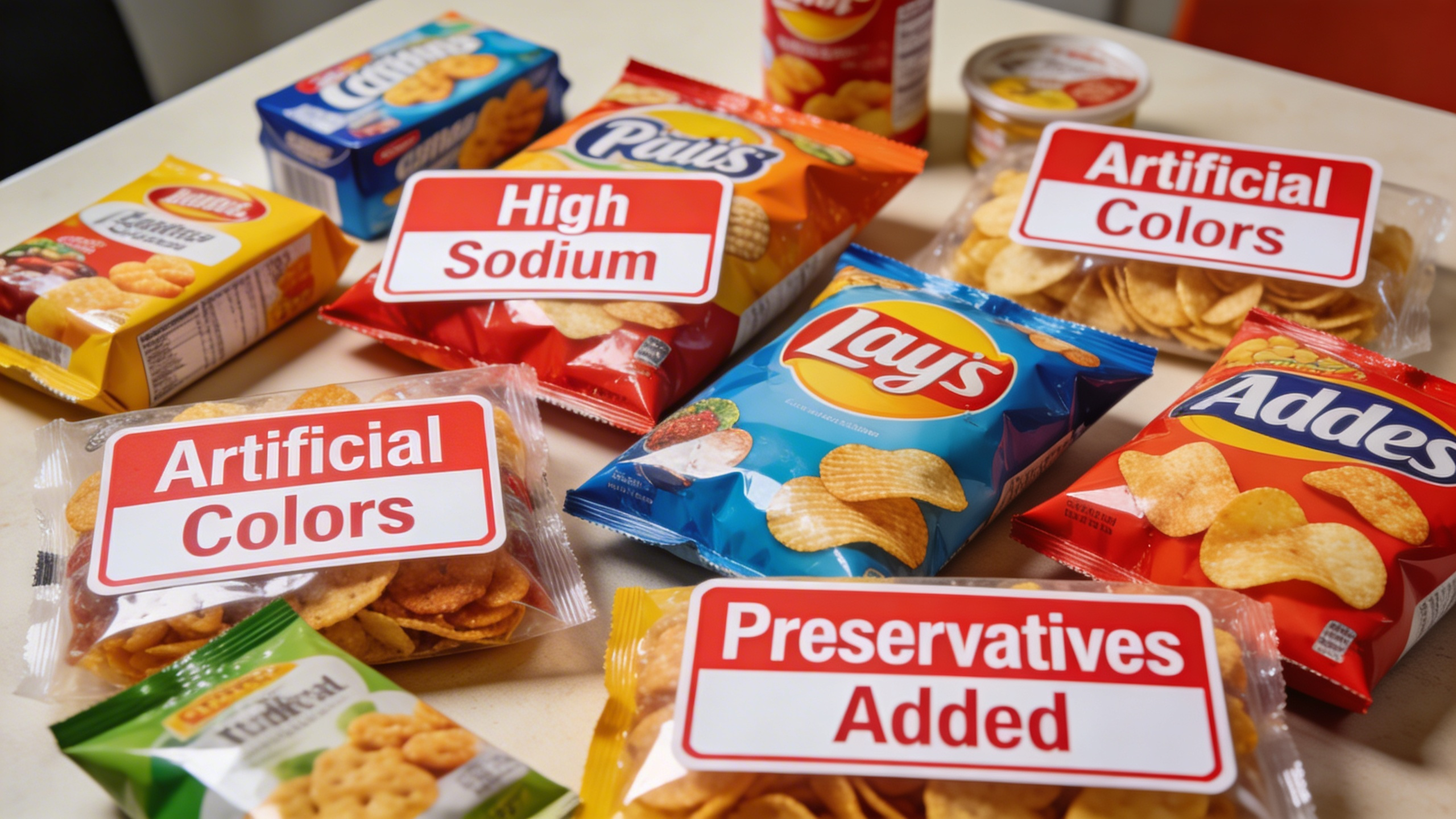
If you look closely at the ingredient labels on the food items in your pantry, you will likely find a wide range of food additives. While some additives are generally safe and pose minimal risks to most individuals, others have been associated with negative health effects and are best avoided. In this article, we will briefly cover which food additives to avoid when possible.


What Are Food Additives?

Food additives are substances added to our foods to enhance their taste, appearance, shelf life, and sometimes quality. They are vital in preventing foodborne illnesses, enabling food transportation to remote areas, and helping to lower costs for mass production. While they play a vital role in the foods we consume, it’s essential to recognize that not all food additives are created equal. In fact, some food additives should be limited or even removed from consumption. 


Here are seven food additives you should avoid:


1) Artificial Food Coloring

Artificial food coloring is commonly used to brighten and enhance the appearance of various foods, like candies. It’s a popular way to enhance the visual appeal of dishes, making them more enticing.

Health Effects of Artificial Food Coloring:

Specific artificial food dyes, such as Yellow 5, Yellow 6, Red 40, and Blue 1, have been linked with allergic reactions in some individuals. Excessive consumption has been shown to contribute to hyperactivity in sensitive children and may be linked to ADHD.

Some food dyes like Red 40 contain benzene which is a known carcinogen that has been shown to promote tumor growth in animal studies. More research is needed to fully assess their impact on humans.

To make healthier choices, limit your intake of artificially colored processed foods and opt for naturally colorful whole foods.


2) Sodium Nitrite

Sodium Nitrite is commonly found in processed meats such as deli meat, canned tuna, and sausages. It is a preservative that helps prevent bacterial growth.

Health Effects of Sodium Nitrite

Too much consumption of sodium nitrite has been linked to bladder cancer and other health problems. When exposed to heat, nitrites can convert into nitrosamines which are also known carcinogens. Because of this, you should do your best to reduce your consumption of processed meats when possible. 


3) High Fructose Corn Syrup (HFCS)

HFCS is a highly-refined artificial sweetener derived from corn. It is found in most processed foods like processed bread, flavored yogurt, candy, salad dressings, cereals, soda, juice, candy, breakfast cereals, and canned vegetables. 

Health Effects of HFCS:

Consuming HFCS excessively can lead to weight gain, increased LDL (“bad”) cholesterol levels, the development of diabetes, and overall inflammation. The inflammatory effects of HFCS may cause worsening symptoms for those with such conditions as arthritis, gout, or autoimmune conditions like lupus or rheumatoid arthritis.

Studies have shown that high-fructose corn syrup can contribute to belly fat accumulation which can be an issue for those trying to lose weight. Because of this, you should avoid regular consumption of snacks and foods containing high fructose corn syrup. 

Ideally, you should eliminate or limit your consumption of any sugary sweeteners as many have been linked to a number of deleterious health effects. However, if you do consume sweeteners you should do so in moderation and consider using natural sweeteners like raw sugar, honey, dates, agave, or maple syrup. Unfortunately, however, not all natural sweeteners are considered compltely safe for consumption such as Stevia and Monk Fruit.


4) Stevia, Truvia, Monk Fruit

Stevia, Truvia, and Monk Fruit are popular natural sweeteners that many people use as alternatives to sugar in their baking and beverages.

Stevia is a natural sweetener derived from the plant  Stevia Rebaudiana. 

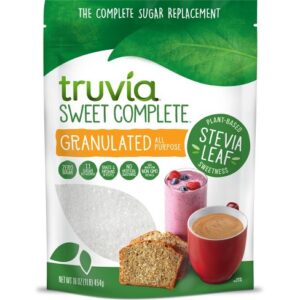
Truvia is a commercially produced product from multinational corporations Coca-Cola and Cargill Inc. Because it is derived from Stevia, those corporations have deemed it a natural sweetener.

Monk Fruit is a plant native to Southern China with a sweetness 250 x that of table sugar.

Health Effects of Stevia, Truvia, Monk Fruit:

Recent studies have raised concerns about the specific sugar replacement in products like Monk Fruit, Stevia, and Truvia. One sugar replacement, erythritol, found in these sweeteners, has been associated with stroke, blood clotting, and heart attack. Moreover, Stevia may cause side effects like bloating, nausea, and gas.


5) Sodium Benzoate

Sodium benzoate is a commonly used preservative in salad dressings, pickles, carbonated beverages, and fruit juices. It helps prevent spoilage and fungal growth in meat-related food items like packaged meats.

Health Effects of Sodium Benzoate:

While the FDA generally recognizes sodium benzoate as safe, studies have highlighted some significant side effects. For instance, merging sodium benzoate with artificial food coloring has amplified hyperactivity in young children. Excessive intake of beverages containing this food additive was also shown to be associated with increased symptoms of ADHD in college students. Furthermore, when combined with vitamin C source, this food additive can be converted into benzene, which is associated with the risk of cancer development.

Carefully read food labels and avoid products containing ingredients like benzoic acid or benzene, particularly when combined with vitamin C sources like citric acid.


6) Trans Fats

Trans fats are found naturally in dairy products and meat from ruminant animals like cattle, sheep, and goats. They are also present in synthetic forms in processed foods such as deep-fried fast foods, margarine, and certain baked goods made with partially hydrogenated vegetable oils. These fats enhance flavor and extend the shelf life of food products.

Health Effects of Trans Fats:

Numerous studies have shown that trans fats increase LDL cholesterol (“bad” cholesterol) levels while decreasing HDL cholesterol (“good” cholesterol) levels. This imbalance in cholesterol levels increases the risk of heart attacks, heart disease, and strokes. Trans fats are also associated with increased inflammation and diabetes.

To reduce your intake of trans fats, minimize your consumption of processed foods that contain partially hydrogenated oils such as processed chips, cookies, cakes, pastries, margarine, crackers, and fast foods. Our motto is, if it comes in a bag and you can pop it open and eat it on the go then it most likely has trans fats.

Consider healthier alternatives like whole foods, freshly baked goods, natural fats like butter, and olive or coconut oil.


7) BHA/BHT

Butylated hydroxyanisole (BHA) and butylated hydroxytoluene (BHT) are artificial antioxidants obtained from petroleum. They are widely used as preservatives in various food items, such as cereals, potato chips, chewing gum, and many vegetable oils. The main function of BHA and BHT is to safeguard against color alterations, flavor deterioration, and food spoilage.

Health Effects of BHA/BHT:

Studies have shown that BHA and BHT affect the brain’s neurological system and alters behavior. While these additives are considered antioxidants, they have been shown to form reactive compounds in the body that may actually be carcinogenic.

To minimize exposure to these additives, prioritize whole, unprocessed foods and read food labels carefully.

Tips for Avoiding Unhealthy Food Additives

Here are some practical tips to help you avoid harmful food additives and make informed choices.

1) Prioritize Freshness:

Choose fresh foods in their natural form and vibrant hues and colors. Explore the option of going to your nearby farmer’s market or subscribing to CSA (community-supported agriculture) deliveries so you can obtain fresh produce.

2) Frozen Food Can Be a Good Option:

If fresh foods are not available, frozen fruits and vegetables can be a nutritious alternative. Look for options without any additives or preservatives.

3) Read Food Labels:

Before adding a product to your grocery cart, take a moment to read the ingredient list. Avoid purchasing items with known additives, and be cautious of ingredients that are difficult to pronounce or understand.

The Bottom Line

When making healthy choices in your diet, it’s important to understand that you can’t always avoid certain foods.  Processed foods and food additives are vital for food production and storage. They are everywhere and will be staples in the American diet for the foreseeable future. Eating a processed cookie or potato chip from time to time likely won’t cause much harm. However, you should be aware of what food additives you are eating and how often you are eating them so that you can limit your exposure to harmful additives.

While the Food and Drug Administration (FDA) tries to carefully evaluate and regulate these additives, it is vital that you do your own research in finding out which food additives are safe for you and your family and which ones you should avoid.

As a general rule of thumb, always focus on high-quality natural ingredients and read the food labels when purchasing or consuming any food products.


Dr. Sergio Guiteau is a physician who is board certified in Family Practice and Sports Medicine with added certifications in Aesthetic Medicine. He specializes in Preventive MedicineSports Medicine, and  Anti-Aging Medicine and blogs on rhm.sys.mybluehost.me/website_d5adaba3/blog


Hypertension? Eat this not that.

Have you been diagnosed with high blood pressure?

Have you been told that your blood pressure runs a little high?

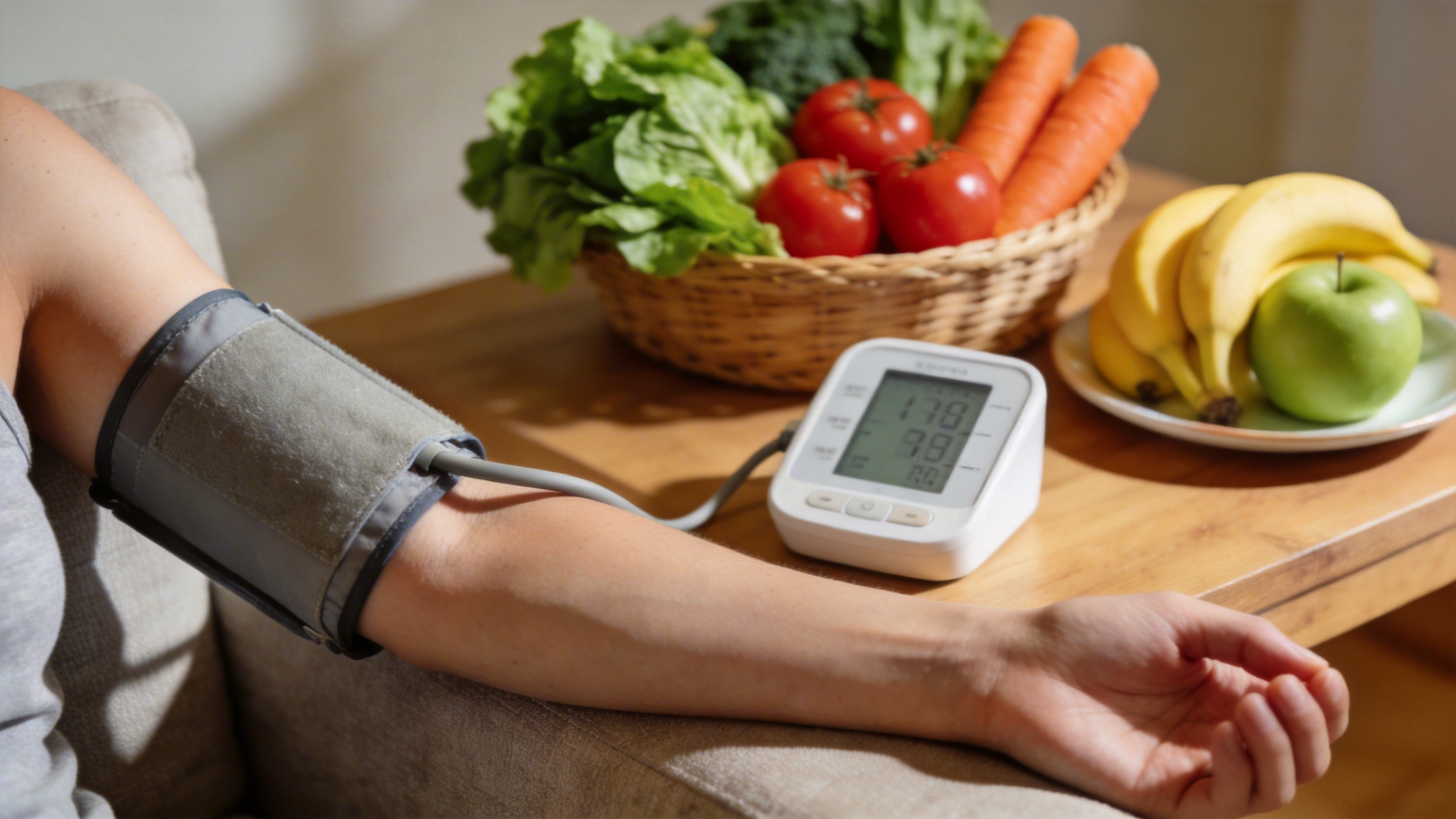
High blood pressure is a very common condition that unfortunately affects 47% of Americans as of the writing of this article. Controlling your blood pressure will involve making some healthy lifestyle changes. If your blood pressure is high enough then you may need to take medications to help. 

In this article, we will focus on nutrition and more specifically which foods to eat and which foods to avoid to keep your blood pressure in check.


What is High Blood Pressure?

When your heart pushes blood through your arteries, it creates a certain amount of force against the artery walls. This force is what translates into your blood pressure. If your blood pressure stays consistently higher than it should be, you might have high blood pressure, also known as hypertension.

When we talk about blood pressure, we consider both systolic blood pressure and diastolic blood pressure.

Systolic Blood Pressure:

Systolic blood pressure measures the force blood makes on the artery walls when the heart contracts and pumps blood through your vascular system.

Diastolic Blood Pressure:

Diastolic blood pressure represents the pressure in the arteries when the heart is at rest between beats.


What is My Blood Pressure Goal?

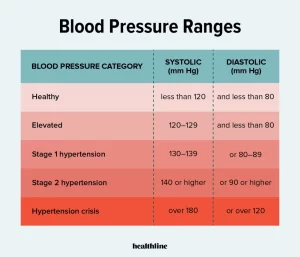
According to the Eighth Report of the Joint National Committee on Prevention, Detection, Evaluation, and Treatment of High Blood Pressure Guideline (JNC 8), adults greater than 60 years old should be treated with blood pressure-lowering medications if blood pressure is greater than 150 (systolic) / 90 (diastolic). Adults less than 60 years old should be treated with blood pressure-lowering medications if blood pressure is greater than 140/90.

Hypertension chart

How Can I Manage High Blood Pressure?

If you have been diagnosed with high blood pressure, you may be prescribed an antihypertensive medication to help lower your blood pressure levels.

However, lifestyle modifications are also important as they can reduce blood pressure, prevent high blood pressure, enhance treatment when used with medications, and decrease adverse cardiovascular risks. Some simple lifestyle modifications include:

  • Maintain a healthy body weight (BMI 18.5-29).
  • Eat a healthy diet, such as the DASH diet.
  • Limit dietary sodium to no more than 2.4 g per day.
  • Practice regular physical activity (at least 30 minutes per day most days of the week).
  • Limit alcohol intake.

The DASH Diet

The Dietary Approaches to Stop Hypertension or DASH diet is specially designed to help people with hypertension manage their blood pressure.

The diet focuses on healthy food sources such as fruits, vegetables, and low-fat dairy and limits sodium, saturated fat, and added sugar.

This diet also provides generous amounts of nutrients such as calcium, potassium, and magnesium, which help to control blood pressure.


Foods you can eat for High Blood Pressure

To maintain a healthy heart and control your blood pressure, focus on a diet thats rich in the following:

  • Fruits such as strawberries, blueberries, oranges, bananas, and apples
  • Vegetables such as cabbage, spinach, and kale
  • Whole grains such as oatmeal and quinoa
  • Low-fat dairy products such as low-fat milk and yogurt
  • Skinless poultry
  • Fish such as salmon and mackerel
  • Nuts such as walnuts and almonds
  • Legumes such as peas, lentils, and beans
  • Vegetable oils such as canola oil

Food to avoid for High Blood Pressure

To keep your blood pressure under control, it is best to limit or avoid the following foods

  • Red meat such as beef and pork
  • Salty foods such as processed meat, salty snacks, pickles, olives, canned soup, cheese, and tomato sauce.
  • Sugary foods and drinks such as prepackaged meals, soda, and fruit juice
  • Alcohol should be limited to one drink per day for women and two drinks per day for men.


High blood pressure is a serious problem, but a healthy diet rich in fruits, vegetables, and whole grains and limited in salt, saturated fat, and sugar can help control and prevent this disease.


Dr. Sergio Guiteau is a physician who is board certified in Family Practice and Sports Medicine with added certifications in Aesthetic Medicine. He specializes in Preventive MedicineSports Medicine, and  Anti-Aging Medicine and blogs on rhm.sys.mybluehost.me/website_d5adaba3/blog

High Cholesterol? Eat this not that.

High cholesterol can be genetic or can occur when you eat too many fatty foods, are overweight, or don’t exercise enough.

Learning which foods to eat and avoid can help you lower your cholesterol and improve your quality of life.

What Is Cholesterol?

Cholesterol is a fatty substance present in the blood. The liver helps make certain cholesterols, which are essential to your health. For example, your body makes cholesterol to form chemical messengers called hormones.

You can also find cholesterol in some foods, including meat, seafood, poultry, eggs, and dairy.

What Are the Main Types of Cholesterol?

When you get your cholesterol checked, the test will measure HDL, LDL, Triglycerides, and Total Cholesterol levels.

Here is what they are and how they work:

  • Low-density lipoprotein (LDL) – This type of cholesterol is what we call a lipoprotein. It is a cholesterol and protein molecule that carries fat to your body’s cells for vital functions. Having too much can lead to serious health problems. This is because having too much LDL in your bloodstream can cause it to aggregate in the walls of your arteries.
  • High-density lipoproteins (HDL) – This is another type of lipoprotein that transports excess fats from the blood back to the liver, where it can be broken down and removed from the body. This is why HDL cholesterols are helpful in lowering cholesterol levels.
  • Triglycerides – This is a type of fat found in your blood. High levels of triglycerides in combination with a high LDL or low HDL can contribute to heart disease.
  • Total cholesterol – This is the total amount of HDL and LDL cholesterol in your blood.

To learn how to interpret these lab levels on your blood work check out this article.

Foods to Avoid if You Have High Cholesterol

The best way to lower your cholesterol is to reduce your intake of saturated and trans fat. This means you should limit your intake of the following foods:

  • Red meat: Beef, Lamb, Pork, etc.
  • Processed meat: Ham, Bacon, Salami, Sausages, Chicken Nuggets, etc.
  • Dairy products made with whole milk: Heavy cream, Butter, Cream Cheese, Full-fat Cheese, etc.
  • Fried food: Egg Rolls, Falafel, Potato Chips, French Fries, etc.

Foods That Can Lower Your Cholesterol

Fighting high cholesterol is not only about cutting foods from your diet but also adding foods that help lower your cholesterol and/or triglyceride levels. Examples of such foods are:

  • Oats: Oatmeal contains soluble fiber. Soluble fiber helps reduce cholesterol absorption into your bloodstream which can lower LDL cholesterol levels.
  • Whole grains: Barley and other whole grains contain soluble fiber and thus, can also help lower LDL cholesterol.
  • Nuts, almonds, and peanuts: These foods contain healthier unsaturated fats and Omega-3 fats that can help lower cholesterol.
  • Beans: These foods are rich in soluble fiber and thus, can also help lower LDL cholesterol.
  • Vegetable oils: Using canola and sunflower instead of high-cholesterol-containing butter and lard when cooking can help lower LDL cholesterol.
  • Extra Virgin Olive Oil: Contain polyphenols that can help lower LDL, increase HDL, and lower triglycerides
  • Fatty fish: Fish is rich in ômega-3 fatty acids, which help reduce triglycerides and protect against heart diseases.
  • Fresh fruits: Apples, grapes, strawberries, and citrus fruits, which are rich in pectin, a soluble fiber that lowers LDL.

A heart-friendly low cholesterol diet should focus on fiber-rich foods, fresh vegetables and fruits, fish, whole grains, nuts, and vegetable oils. At the same time, you should consume less fried foods, processed foods, dairy products, red meats, and fast foods. All of these will help you lower your cholesterol which will also help you avoid such adverse outcomes as heart disease and stroke.

If you are trying to lower your cholesterol or would like to find ways to avoid getting high cholesterol, feel free to give our office a call to find out how we can help.


Dr. Sergio Guiteau is a physician who is board certified in Family Practice and Sports Medicine with added certifications in Aesthetic Medicine. He specializes in Preventive MedicineSports Medicine, and  Anti-Aging Medicine and blogs on rhm.sys.mybluehost.me/website_d5adaba3/blog

Should I Take Vitamin D?

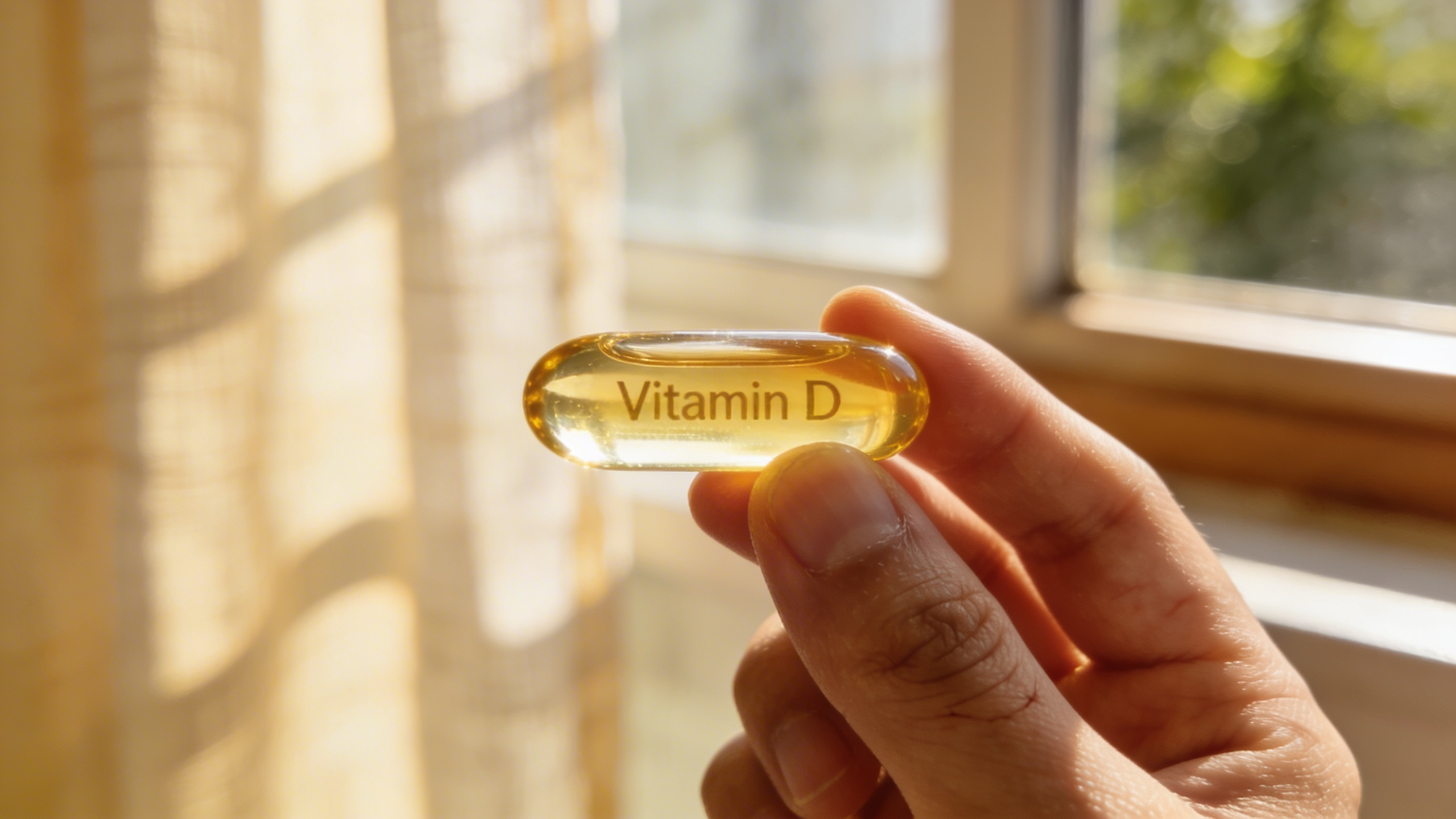
Have you ever wondered if you should take Vitamin D? Have you always taken vitamin D and wondered what the benefits really are? Vitamin D is an essential nutrient that helps our bodies absorb calcium, maintain bone health, and support immune function. It’s often called the “sunshine vitamin” because our skin produces it when exposed to sunlight. However, many people don’t get enough vitamin D from their diet or sun exposure, which is why you might want to consider supplementing with it.

In this article, we’ll explore the benefits, side effects, and recommended dosages for supplementing with vitamin D.

Benefits of Vitamin D:

1) Regulates calcium absorption:

Vitamin D helps our bodies absorb and use calcium, which is essential for strong bones and teeth. Without enough vitamin D, our bones can become weak and brittle, leading to conditions like osteopenia or osteoporosis. This can result in an increased risk of fractures especially in women over the age of 65.

2) Supports immune function:

Vitamin D plays a key role in the function of our immune system. It helps activate immune cells that fight off infections and diseases. Studies have shown that people with low levels of vitamin D are more likely to get sick, especially with respiratory infections like the flu.

3) Reduces the risk of chronic diseases:

Low levels of vitamin D have been linked to an increased risk of chronic diseases like heart disease, diabetes, and some types of cancer. Studies have shown that getting enough vitamin D may help reduce the risk of these diseases.

4) Improves mood and cognitive function:

Vitamin D may also play a role in our mood and cognitive function. Some studies have shown that low levels of vitamin D are linked to depression and cognitive impairment.

5) May help with weight management:

Some studies have suggested that getting enough vitamin D may help with weight management. Vitamin D may play a role in regulating our appetite and metabolism.

Potential Side Effects of Vitamin D 

While vitamin D is important for our health, too much of it can actually be harmful. Overdosing with vitamin D can cause symptoms such as nausea, vomiting, constipation, and depression. These symptoms can be mild or severe depending on the level of vitamin D in the body. In severe cases, vitamin D overdose can lead to an over-accumulation of calcium which can deposit within major organs such as the heart, liver, and kidneys.  Damage to these major organs can lead to a host of other conditions which if not corrected can become permanent.

This is why it’s important to follow the recommended daily dosage guidelines for vitamin D and to also talk to your doctor before taking any supplements.

Who Should Consider Vitamin D Supplementation:

Some groups of people are more likely to be deficient in vitamin D and may benefit from supplementation. These include people with limited sun exposure, older adults, those with darker skin tones, people with certain medical conditions, and those who follow a vegan or vegetarian diet.

Who Should Avoid Taking Vitamin D: 

While vitamin D is generally safe for most people, some individuals should avoid taking vitamin D supplements.

In general, if you have liver or kidney disease you should avoid taking Vitamin D or speak with your doctor before taking this supplement. Also, if you take certain medications, most importantly a class of medications called Thiazide diuretics, then you should avoid taking Vitamin D supplements until you speak with your doctor. People with certain medical conditions such as sarcoidosis, tuberculosis, and lymphoma should also avoid taking vitamin D supplements.

What is the Recommended Daily Intake of Vitamin D:

The National Insitute of Health recommends 600-800 IU per day for most adults. If you have certain medical conditions you may benefit from higher doses in order to maintain adequate vitamin D levels. In our office, we find that despite living in sunny South Florida a fair amount of patients are still vitamin D deficient. Because of this we always recommend our patients speak with us about whether or not they may benefit from vitamin D testing in order to assess whether or not they may be vitamin D deficient.

Vitamin D is an important nutrient that plays a crucial role in our health. While it’s possible to get vitamin D from sunlight and food, supplementation may be necessary for some individuals.  Always remember that too much of a good thing can be harmful, so it’s important to follow the recommended daily intake and be aware of any potential side effects.

Dr. Sergio Guiteau is a physician who is board certified in Family Practice and Sports Medicine with added certifications in Aesthetic Medicine. He specializes in Preventive Medicine, Sports Medicine, and  Anti-Aging Medicine and blogs on rhm.sys.mybluehost.me/website_d5adaba3/blog
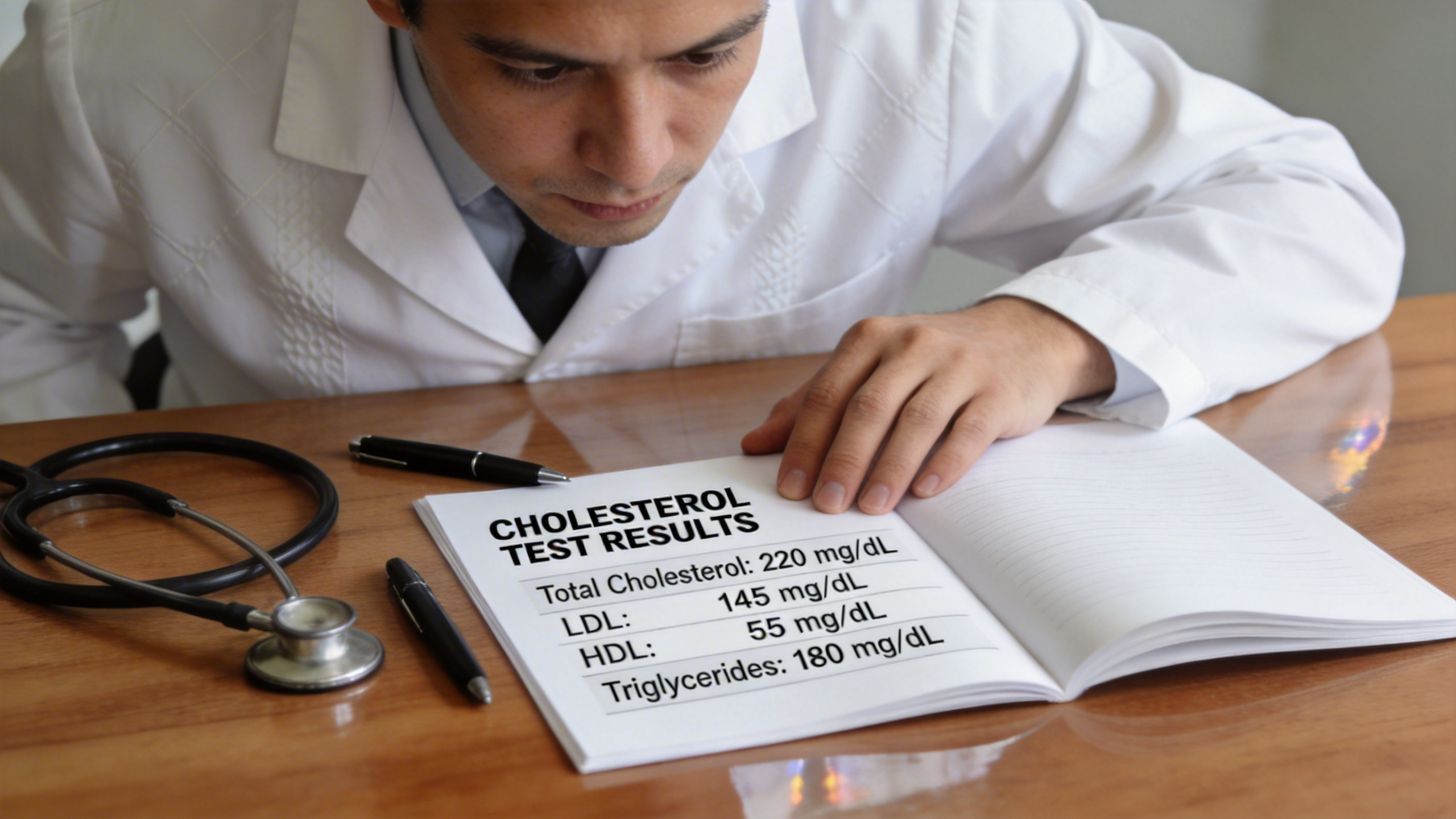
How do I read my cholesterol lab results?

One of the most common questions I often get from my patients is, “How do I read my cholesterol lab results?” Understanding your cholesterol values and how they play a part in your overall health is one of the many things I enjoy explaining. Knowing your cholesterol numbers and how to interpret them will give you a better idea of what changes you need or don’t need to make in regard to your overall lifestyle and diet.

What is a Cholesterol Test or Lipid Panel?

A cholesterol test, also known as a lipid panel, is a blood test used to measure cholesterol and fats in your blood. By analyzing the levels of cholesterol and triglycerides in your blood, a lipid panel test can help determine your risk of developing fatty deposits (plaques) in your arteries. This is a condition known as atherosclerosis.

Persistently high cholesterol levels can result in atherosclerosis. Atherosclerosis can result in significant negative long-term effects such as heart attack and stroke since blood flow to vital organs such as the heart and brain can become compromised.

What Does a Cholesterol Test/Lipid Panel Measure?

The Cholesterol test/Lipid panel measures four main types of cholesterol labs: HDL, LDL, triglycerides, and total cholesterol.

  • High-Density Lipoprotein or HDL level

High-density lipoprotein, or HDL, is a type of cholesterol often called “good” cholesterol. HDL carries excess cholesterol from your bloodstream to your liver, where it can be processed and eliminated from your body. 

High HDL cholesterol levels can help clear out the harmful LDL cholesterol from your arteries. This can help maintain adequate blood circulation to your organs and lower your risk of long-term organ damage from things like heart attack and stroke. 

  • Low-Density Lipoprotein or LDL Level

Low-density lipoprotein (LDL) is commonly called the “bad” cholesterol. LDLs are necessary for carrying cholesterol to your body’s cells for vital functions. However, having too much can lead to serious health problems. This is because having too much LDL in your bloodstream can cause it to aggregate in the walls of your arteries. This can in turn result in the build-up of plaque known as atherosclerosis. Atherosclerosis in your arteries can result in the compromise of blood flow to your vital organs over time.

  •  Triglycerides

Triglycerides are a type of fat found in the body that can be used for energy. When we need energy, our body can utilize these triglycerides much like a car can utilize fuel for energy. When we eat too much food our body can store the extra calories we consume from this food as triglycerides for later use.

Years of research have shown that a high level of triglycerides on a lipid panel test is indicative of a higher risk of heart disease and stroke. 

In addition, certain factors like uncontrolled diabetes, obesity, excessive alcohol consumption, and a high-calorie diet can all contribute to increased levels of triglycerides in your body.

  • Total Cholesterol

Total cholesterol is the sum of all types of cholesterol circulating in your bloodstream. It is calculated using the following formula:

HDL + LDL + 20% of triglycerides = total cholesterol

Knowing your total cholesterol level is important in assessing your overall risk for heart disease and other cardiovascular issues.

How do I interpret my cholesterol lab result numbers?

The normal range of cholesterol lab values described above are as follows:

Note that these are general guidelines, and individual optimal levels may vary depending on various factors such as age, gender, family history, and overall health.

  • HDL, LDL, and Total Cholesterol Test Results (mg/dl)

Types of Cholesterol

Healthy Range

At Risk

Dangerous

HDL

60 and higher

40 to 59 (male)

50 to 59 (female)

Under 40 (male)

Under 50 (female)

LDL

Under 100

100 to 159

160 and higher

Total Cholesterol

Under 200

200 to 239

240 and higher


  • Trygliceride Test Results (mg/dl)

Age Optimal Low Risk  Normal Risk High Risk Dangerous
0-9yr Below 75 75-99 >99
10-18yr Below 90 90-129 >129
>19yr Below 100 100-129 150-199 200-499 >499

What do the cholesterol lab values mean for my overall health?

Patients often ask me how to interpret their cholesterol lab results and if they should be worried about any elevated lab values.

The best way to know for sure if these lab values should be a cause for concern is to speak with a qualified medical provider. We can review your cholesterol values in relation to your lifestyle and any other medical conditions you may have to determine whether you should be concerned.

In addition, The American College of Cardiology/American Heart Association has developed a calculator known as the (ACC/AHA) CV Risk Calculator (2013) that may help predict your 10-year risk of heart attack, stroke, or death from cardiovascular disease.

While helpful, this calculator has several limitations and should only be used in conjunction with a discussion of your cholesterol lab results and risk factors with your doctor.

High cholesterol often has no symptoms, and regular testing is necessary to catch it early. If you are concerned that your cholesterol lab results are above the normal range and you would like to discuss them further,  give our office a call to schedule a time to discuss them.

Dr. Sergio Guiteau is a physician who is board certified in Family Practice and Sports Medicine with added certifications in Aesthetic Medicine. He specializes in Preventive Medicine, Sports Medicine, and  Anti-Aging Medicine and blogs on rhm.sys.mybluehost.me/website_d5adaba3/blog
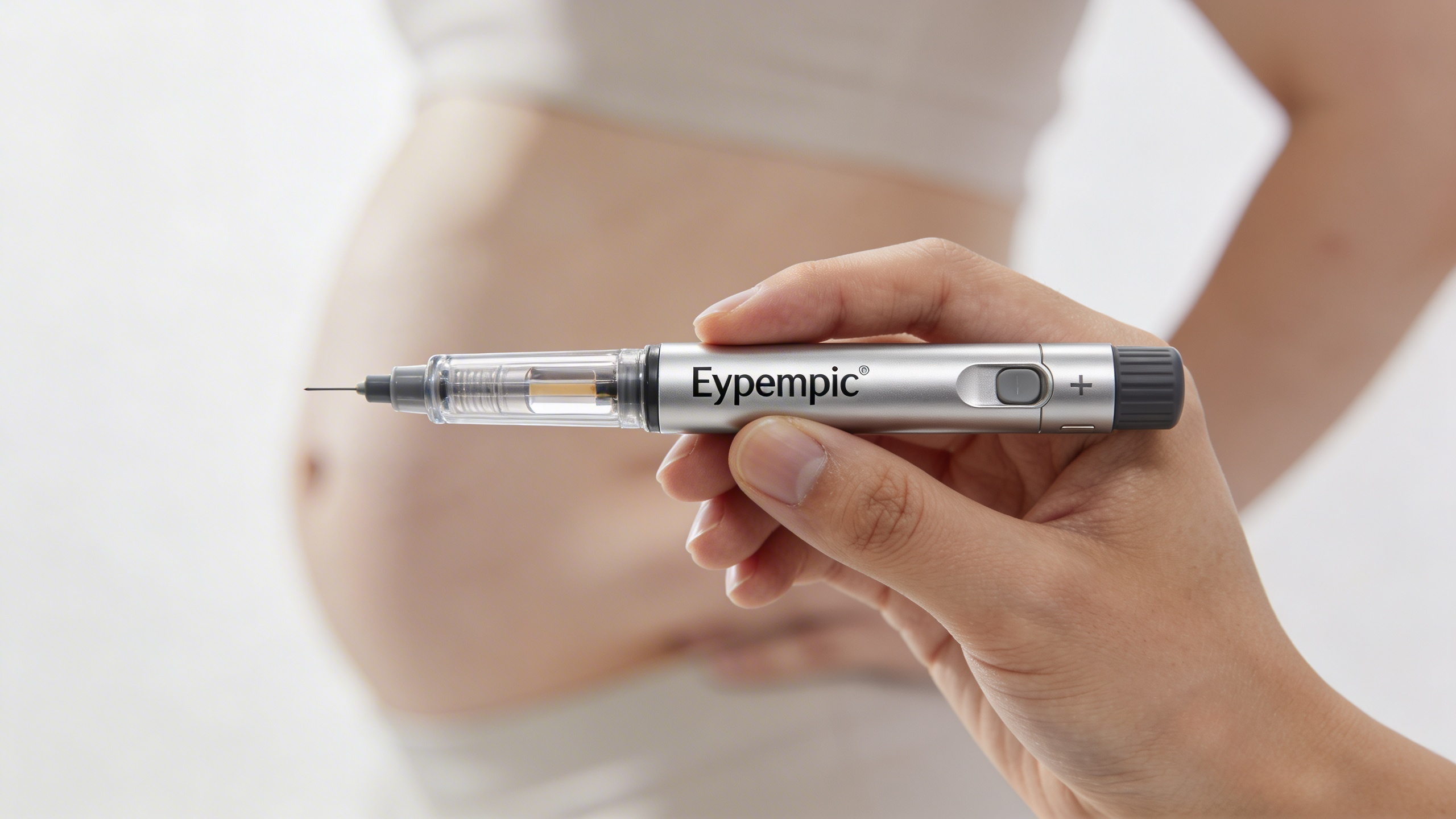
Ozempic and Wegovy for Weight Loss

What are Ozempic and Wegovy?


Ozempic and Wegovy (Semaglutide) are injectable medications that are used with diet and exercise to treat type 2 diabetes in adults. They both lower blood sugar levels by stimulating the secretion of insulin and reducing the secretion of glucagon. When blood sugar rises, insulin is secreted to lower blood sugar while glucagon causes the release of your body’s stored sugar into the bloodstream. Ozempic and Wegovy prevent both of these from happening. In addition, these drugs cause your body to release the hormone GLP-1. This hormone is known to play a role in satiety and also slows down your body’s digestive system which can also make you feel more full.

While Ozempic is not approved by the Food and Drug Administration (FDA) for weight loss, Wegovy is. Wegovy is approved for people with a Basal Metabolic Index (BMI) of greater than 30. It is also approved for people with a BMI of at least 27 and at least 1 comorbid condition such as hypertension or high cholesterol. In fact, at least two studies that observed A1C levels in diabetics found that adults who used Semaglutide lost up to 14 pounds. 

What side effects can occur with Ozempic or Wegovy?


Semaglutide is generally well-tolerated by many people. However, if you have had a previous allergy to Semaglutide or a personal or family history of certain thyroid cancers then you should generally avoid Semaglutide.

The most common side effects include

  • nausea
  • vomiting
  • diarrhea
  • stomach pain
  • constipation

Pancreatitis, low blood sugar, kidney damage, and gallbladder disease are more serious but rare side effects.

In addition, some people experience “Ozempic face”, which is the term used to describe facial sagging that results from rapid weight loss. This can occur with both Ozempic or Wegovy.


What is the difference between Ozempic and Wegovy?


Ozempic and Wegovy are both Semiglutide made by the pharmaceutical company Novo Nordisk. They are both injectable medications that are taken weekly. The main difference is that Wegovy is dosed slightly higher than Ozempic and is also FDA-approved for weight loss. The use of Ozempic for weight loss, as of the publication of this article, is still considered “off-label”.


Are these medications covered by my insurance for weight loss?


In general, Ozempic is not covered by your insurance company for weight loss as it is not FDA-approved for weight loss. Wegovy may or may not be covered depending on your type of insurance. Both Medicare and Medicaid do not cover Wegovy as of the publication of this article. In addition, the out-of-pocket cost for Wegovy or Ozempic is generally more than $500 and can be as high as $1500. You may be able to check your insurance plans coverage for Wegovy by searching here.


While we have prescribed Ozempic and Wegovy for weight loss, our office generally recommends that you couple these medications with diet and exercise. Traditionally, we have found that these medications work best and patients maintain their weight loss for a longer period of time when they also incorporate a healthier lifestyle. If you have any questions about Ozempic, Wegovy, or any other weight loss medication, feel free to reach out to our office for more information.


Dr. Sergio Guiteau is a physician who is board certified in Family Practice and Sports Medicine with added certifications in Aesthetic Medicine. He specializes in Anti-Aging Medicine and blogs on rhm.sys.mybluehost.me/website_d5adaba3/blog
IV Vitamin Therapy, Is it for you?

What is intravenous (IV) therapy?

If you’ve ever been to a hospitalthen you’re probably familiar with the bags that hang from a pole and connect to the arm. IV therapy is a way to deliver fluids and medications directly to the bloodstream through a vein. This method of delivery is especially beneficial for people who cannot take medications by mouthIn addition, IV nutrition is traditionally used to deliver nutrients to patients who are unable to eat or absorb nutrients due to an illness.

Today, however, vitamin infusions are being administered outside of the hospital setting more commonly. From medical spas to hydration rooms to integrative medicine offices, IV vitamins are being seen as a way to infuse “wellness.”

What is IV vitamin therapy?

IV vitamin therapy, also called intravenous micronutrient therapy or hydration therapy is used to deliver high concentrations of vitamins and minerals directly to the bloodstream. This allows faster absorption of vitamins and nutrients by the body’s cells than if delivered through food or oral supplements.

IV Vitamin therapy has recently become a wellness trend, claiming to improve a number of ailments. If you have been thinking of trying it out yourself you are not alone. The amount of people who have received outpatient IV nutrition has grown dramatically over the last few years.

People have used IV’s to help with some of the following:

Cure hangovers

Improve skin complexion

Help with weight loss

Help with chronic pain

Improve fitness performance and recovery

Improve focus

Boost immunity

Boost libido

Boost energy

What’s on an IV vitamin menu?

The concept of IV vitamin therapy is that delivering specially formulated cocktails of nutrients, vitamins, electrolytes, and antioxidants intravenously can help replenish, restore, and detoxify your body more efficiently. These vitamins often contain mixes of such things as vitamin C, B vitamins, glutathione, electrolytes, and saline.

One popular IV item includes Myers’ cocktail. This mixture contains high doses of B vitamins, vitamin C, and minerals such as magnesium and calcium.

The vitamins and minerals in Myers’ Cocktail are beneficial in the following ways:

B vitamins:

Vitamins B1, B2, and Bare associated with energy conversion and healthy skin and hair.

Vitamin B5 is also associated with energy conversion.

Vitamin B6 helps convert tryptophan to serotonin which is associated with sleep, appetite, and mood.

Vitamins B9 and B12 are important for making new cells.

Vitamin C:

Vitamin C, also known as ascorbic acid, is an antioxidant that can boost the immune system and prevent cell damage.

Magnesium and Calcium:

Magnesium and calcium are important for many of the body’s functions including muscle contraction, blood clotting, blood pressure regulation, and the building of bones and teeth.

Does IV vitamin therapy actually work?

Most of the evidence we have is anecdotal, which means that it’s based on people’s personal experiences. There are few studies out there that have tested the effectiveness of IV vitamin therapy. 

One non-blinded outcome study of 43 asthma patients showed that IV nutrient therapy may be beneficial for acute and chronic asthma. A randomized, double-blind, placebo-controlled pilot study of 34 adults with fibromyalgia syndrome (FMS) concluded that most patients had relief from FMS compared to baseline after being treated with IV micronutrient therapy. 

Although IV vitamin therapy can potentially help to improve a variety of health conditions and ailments, more studies really are needed to demonstrate its full efficacy. That’s why it’s important to talk to your doctor before you receive IV vitamin therapy to see if it may be of benefit for you.

If you have any questions about IV vitamin therapy or are curious to know if it might help you, feel free to give our office a call.

Dr. Sergio Guiteau is a physician who has certifications in Aesthetic Medicine and is board certified in Family Practice and Sports Medicine. He specializes in Anti-Aging Medicine and blogs on rhm.sys.mybluehost.me/website_d5adaba3/blog
The Benefits of Fish Oil

Have you been curious about what the benefits of fish oil actually are?

Have you wondered whether or not it’s even worth taking fish oil?

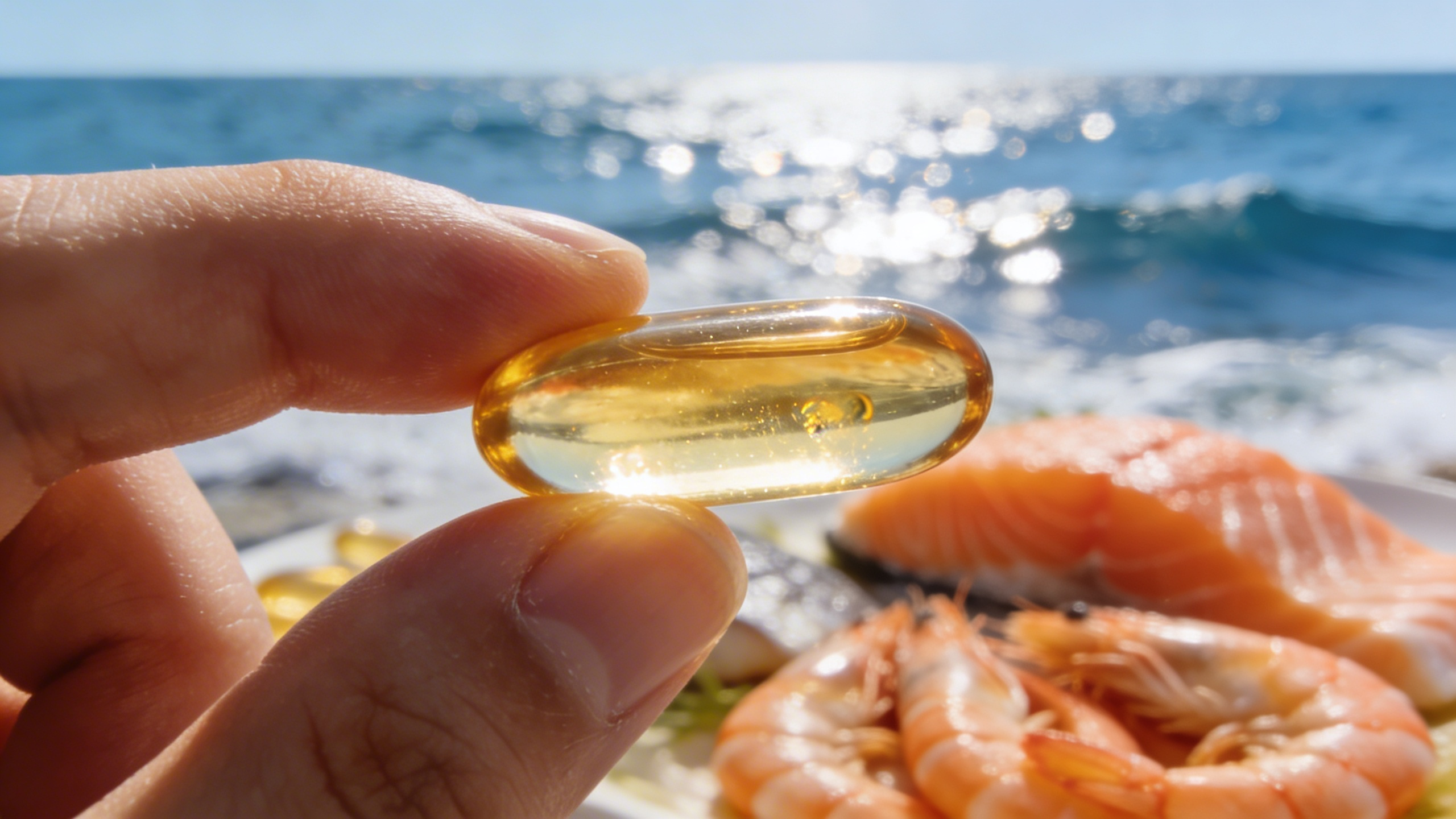
Fish oil is rich in omega-3 fatty acids. This is associated with many bodily functions and preventive health benefits. 

Let’s take a look at what fish oil really even is and what are the benefits of supplementing with fish oil.

What is fish oil and where is it found?

Fish oil is the fat or oil found in the tissue of oily fish like salmon, herring, tuna, anchovies, and mackerel. Mammals such as humans cannot naturally produce the components found in fish oil. Because of this, eating enough fish or taking fish oil supplements can help you obtain an adequate amount of omega-3 fatty acids.

Omega-3 fatty acids are important components of cell structure and also have a key role in fat metabolism. In fact, research is ongoing in trying to better understand the importance of Omega-3 fatty acids in such things as metabolism and healing. 

What are the components of fish oil?

Fish oil contains the omega-3 fatty acids, eicoapentaenoic acid (EPA) and docosahexaenoic acid (DHA), both of which have health benefitsStudies have shown that EPA and DHA are important for proper fetal development, including neuronal, retinal, and immune function. EPA and DHA likely also have positive effects on inflammation, heart health, and cognitive function.

What are the health benefits of fish oil?

Fish oil may be associated with several health benefits, including a decrease in the following:

  • Inflammation
  • Blood pressure
  • Triglyceride levels in the blood
  • LDL (bad) cholesterol

Omega-3 fatty acids may also lead to an increase in HDL (good) cholesterol and improvements in joint pain and stiffness.

What are the side effects of fish oil supplements?

Fish oil supplements generally do not cause any harm if taken as recommended; however, they can cause side effects including a fishy aftertaste, heartburn, nausea, diarrhea, and rash. High doses of fish oil may increase the risk of bleeding. 

What are some possible interactions with fish oil?

Taking fish oil supplements can interact with certain medications.

Taking fish oil supplements with anticoagulants, antiplatelets, herbs, or certain other supplements can increase your risk of bleeding.

Low blood pressure may occur if you take fish oil supplements with blood pressure medications.

Some birth control medications may reduce fish oil’s effect on triglycerides.

Orlistat (Xenical, Alli), a weight loss medication, may actually decrease the absorption of fish oil. Therefore, it’s recommended to take Orlistat and fish oil two hours apart.

Always ask your health care provider if you’re unsure whether or not you take any of these types of medications.

How much fish oil should be taken daily?

The recommended daily consumption of combined EPA and DHA is 250-500 mg. Before you buy fish oil supplements, be sure to look at the label on the bottle to see how much EPA and DHA is provided.

In summary

Fish oil is important for many functions of the body and may be associated with many health benefits. Before you take fish oil supplements, be sure you talk to your doctor about your medications, allergies, health problems, and pregnancy or breastfeeding status. Also, be sure to look at the label on the bottle to determine how much EPA and DHA is provided.

As always, be sure to talk to your health care provider before taking any new supplements.

Dr. Sergio Guiteau is a physician who has certifications in Aesthetic Medicine and is board certified in Family Practice and Sports Medicine. He specializes in Anti-Aging Medicine and blogs on rhm.sys.mybluehost.me/website_d5adaba3/blog