
Is It OK to Drink a Glass of Wine Every Day?

The idea of enjoying a  glass of wine daily has long been associated with heart health and the Mediterranean lifestyle.
But how safe is it really?

When we dig deeper into the effects of wine, or any alcohol, the studies offer a more nuanced view that weigh potential benefits against known risks. So is it really safe to drink a glass of wine daily? Lets explore and discuss.

Is It Safe to Drink Wine Every Day?

Moderate wine consumption is generally considered safe for most healthy adults. In the U.S., moderation is defined as up to one 5-ounce glass per day for women and up to two for men. This level of intake has been linked to certain health benefits, particularly when wine is consumed with meals.

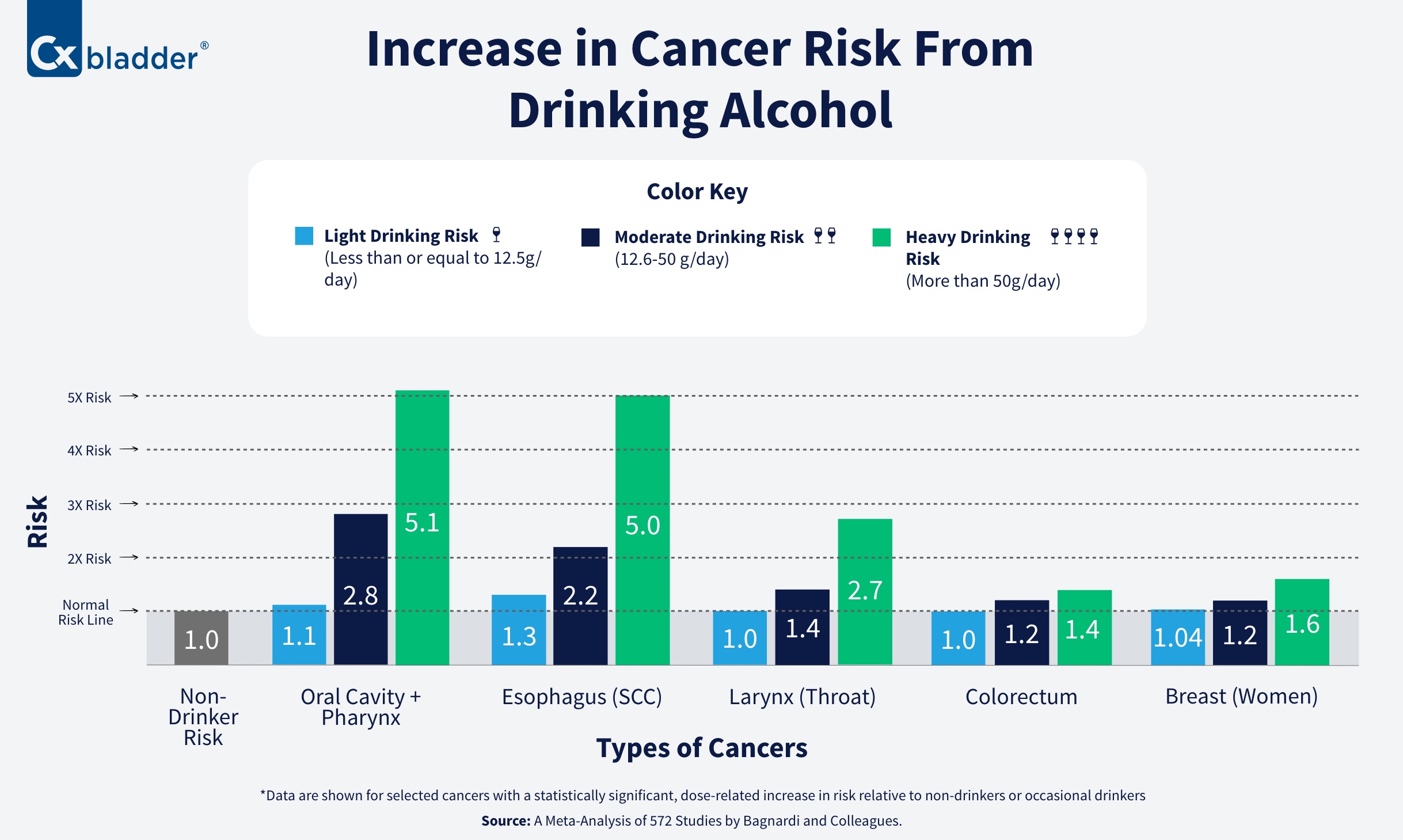
However, emerging evidence suggests that even light drinking may carry health risks. For instance, recent studies have found that even low levels of alcohol consumption can increase cancer risk and contribute to higher mortality rates, particularly among older adults. The World Health Organization has also emphasized that there is no truly “safe” level of alcohol consumption when it comes to cancer risk.

Is There Any Research on the Long-Term Effects of Drinking Wine Daily?

Long-term moderate wine consumption has been associated with certain health benefits, such as a reduced risk of cardiovascular disease and improved cognitive function. Some studies also suggest wine may contribute to lower rates of type 2 diabetes when consumed in moderation with meals.

However, other large-scale research challenges the idea that daily alcohol consumption is beneficial. Newer studies suggest that even moderate drinking may increase the risk of high blood pressure, atrial fibrillation, and certain types of cancer. Heavy or prolonged use can also lead to liver disease, mental health problems, and alcohol dependence.

Most Research on Wine’s Health Benefits are Influenced by the Alcohol Industry

It’s important to consider the source of information about alcohol and health.
Many studies promoting the health benefits of wine have been funded, at least in part, by the alcohol industry — including wine producers and alcohol trade organizations.

Industry-funded research tends to emphasize the potential cardiovascular benefits of moderate drinking while downplaying or omitting information about serious risks like cancer, liver disease, and addiction.
Independent research, which is not tied to alcohol industry funding, has increasingly found that even small amounts of alcohol consumption carry measurable health risks.

Organizations like the World Health Organization now advise that there is no completely safe level of alcohol consumption when it comes to preventing cancer and other chronic diseases.
Thus, while moderate wine consumption might fit into certain lifestyles, it’s important to approach claims of health benefits with caution, particularly when industry sponsorship may bias the findings.Alcohol and Cancer
Is There a Difference Between Drinking Red Wine and White Wine in Terms of Health Benefits?

Red wine often receives more attention for its potential health benefits because it contains higher levels of certain antioxidants, such as resveratrol, compared to white wine. These antioxidants have been studied for their possible roles in reducing inflammation and supporting heart health.

However, while red wine may have a slight advantage nutritionally, it’s important to remember that both red and white wine contain alcohol, and the associated risks apply regardless of the type.

Recent research also suggests that any health differences between red and white wine are relatively small compared to the overarching risks of alcohol consumption overall.

How Much Wine Is Too Much to Consume Daily?

Exceeding moderate drinking guidelines increases health risks significantly. According to the National Institute on Alcohol Abuse and Alcoholism:

  • Women: Consuming more than 8 drinks per week is considered heavy drinking.

  • Men: Consuming more than 15 drinks per week is considered heavy drinking.

Heavy drinking is associated with a much higher risk of liver disease, heart disease, certain cancers, and mental health disorders. Regularly drinking more than the recommended amounts can also lead to alcohol use disorder.

While a daily glass of wine may fit within moderate drinking guidelines and has been featured as part of certain healthy diets, it is important to weigh the potential risks carefully.
Given the growing body of evidence linking even low levels of alcohol consumption to cancer and other health risks — and considering the influence of alcohol industry sponsorship on much of the research promoting wine’s benefits — moderation and personal health considerations are key.

Dr. Sergio Guiteau is a physician who is board-certified in Family Practice and Sports Medicine with added certifications in Aesthetic Medicine. He specializes in Preventive MedicineSports Medicine, and  Anti-Aging Medicine and blogs on rhm.sys.mybluehost.me/website_d5adaba3/blog

Can Chat-GPT Save You a Trip to the Doctor?

We’re living in one of the most exciting and confusing eras in medicine. Artificial Intelligence (AI) is transforming how we access health information, make medical decisions, and deliver care. But can Chat-GPT save you a trip to the doctors office?

As a physician deeply committed to personalized, human-centered care, I believe AI can be a powerful tool if we use it wisely. Let’s explore how AI is shaping the future of medicine, how you can use it responsibly, and why the human doctor-patient relationship is more valuable than ever.


AI and Medicine: A New Frontier

AI is already showing up in healthcare in a variety of ways:

  • Chatbots and symptom checkers

  • Virtual health assistants

  • Predictive analytics for chronic disease

  • AI scribes to help doctors with documentation

  • Algorithms that analyze lab results, X-rays, and even EKGs

These tools can help make care faster, more accessible, and even more accurate. But they’re not a replacement for your doctor. They’re a starting point. Not the final word.


How to Responsibly Use AI to Ask Medical Questions

If you’re using AI tools like Chat-GPT or health apps to research symptoms or ask medical questions, keep these best practices in mind:

  1. Be Specific
    The more context you give, the better the answer. Include your age, medical history, medications, and specific symptoms if you’re asking AI about a health concern.

  2. Use it as a Guide, Not a Diagnosis
    AI doesn’t know you. It can’t examine you, feel your pulse, or pick up on subtle signs. Think of it as a well-read assistant and not a licensed provider.

  3. Double-Check Sources
    Some AI tools cite studies or articles. Be cautious. Not all information is high-quality or up-to-date. Ask your doctor to help you sort fact from fiction.

  4. Never Make Major Medical Decisions Based on AI Alone
    If an AI tool suggests stopping a medication, skipping a test, or self-diagnosing something serious, don’t act without talking to a provider.


How to Interpret AI-Generated Medical Responses

Even when the information seems accurate, interpretation is key. Here’s how to think critically:

  1. General ≠ Personal: AI gives generalized information based on patterns. What applies to most people may not apply to you.
  2. Risk vs. Relevance: An AI might mention a dozen possible causes for a headache. That doesn’t mean you have a brain tumor, it just means it’s on the list.
  3. Don’t Let It Cause Anxiety: Avoid falling into “cyberchondria.” If AI research is making you more stressed, take a break and schedule a visit. That’s what we are here for.

Personalized Care Still Matters

Even in the AI age, personalized medicine is more important than ever. Here’s why:

  1. You are more than your symptoms: Your lifestyle, stress, sleep, family history, and environment all influence your health
  2. Medicine is an art as much as a science: No algorithm can replace intuition, empathy, or the relationship we build over time.
  3. Long-term health is about prevention: AI can help identify risk, but a human doctor can help you act on it with sustainable lifestyle changes.

What We Offer: The Best of Both Worlds

At South Florida Advanced Rejuvenation, we blend cutting-edge technology with high-touch, human-centered care. Whether you’re focused on longevity, performance, injury prevention, or just feeling your best—we specialize in

  • Comprehensive health assessments

  • Personalized anti-aging and wellness plans

  • Regenerative therapies like PRP and stem cells

  • Preventive and lifestyle medicine

  • A doctor who listens, explains, and partners with you—not a robot.

AI is here to stay—and that’s a good thing. It can make healthcare more efficient, informed, and proactive. But the future of medicine isn’t about machines replacing doctors. It’s about you and your doctor working together, using smart tools to personalize your care and optimize your life.

If you’ve been using AI for health questions or want to learn more about how it fits into your wellness journey, bring it up at your next visit. We would love to help you navigate it wisely.

Dr. Sergio Guiteau is a physician who is board-certified in Family Practice and Sports Medicine with added certifications in Aesthetic Medicine. He specializes in Preventive MedicineSports Medicine, and  Anti-Aging Medicine and blogs on rhm.sys.mybluehost.me/website_d5adaba3/blog

Emotional Support Animal Letter – Can I get one?

If you have a psychiatric disability, having an emotional support animal can really be an asset. Emotional support animals can provide excellent companionship to help you cope with such things as anxiety, depression, OCD, acute stress, or other psychiatric disorders.

Unfortunately, living or traveling with your emotional support animal can be a challenge when “no pet policies” or “extra pet fees” are involved. In these situations, getting a letter for your pet from your health care professional can be quite helpful.

However, there are a few things you should know before getting an emotional support animal letter.

Where can I get an emotional support animal letter?

To obtain a letter to accommodate your emotional support animal, you will need documentation from a physician or licensed mental health provider. There are some websites that will put you in contact with a medical provider for a fee. Here at our office we also provide evaluations for emotional support animal letters. Be aware that every medical provider will likely have their own process for providing emotional support animal letters. Some medical providers do not provide these letters at all for liability concerns.

What qualifies an animal to be an emotional support animal?

The Dept of Housing and Urban Development which oversees housing discrimination requires that landlords consider 2 questions when evaluating the legitimacy of emotional support animals.

1. Does the person seeking to use and live with the animal have a physical or psychiatric disability?
2. Does the person making the request have a “disability-related need” for an emotional support animal?

Generally, emotional support animals help provide comfort and alleviate an owner’s disability.

Where can I use an emotional support animal letter?

As of this writing, emotional support animal letters can be used by those with a disability who are looking to move into pet restricted housing. Letters can also be used to waive pet fees for housing and airline flights if the emotional support animal is considered a necessity as per Federal Fair Housing Amendment (FHAA) and Air Carrier Access Act (ACAA) guidelines.

Who can get an emotional support animal letter?

Anyone with an ongoing medical or psychiatric disability can obtain an emotional support animal letter. However, the animal must be therapeutic to that person’s disability. In order to qualify for a letter, you must meet with an appropriate healthcare professional who can certify your need for an emotional support animal.

How often will I need to get a certification letter for an emotional support animal?

There are no regulations regarding how often you will need to obtain a letter for your emotional support animal. This will depend on how often your medical provider certifies your letter or how often your landlord or the airline requires one. Generally, most landlords and airlines will want a fairly recent letter.

What animals qualify as an emotional support animal?

There is no governing body or regulating entity that certifies what type of animal may be an emotional support animal. Wild or exotic animals that may cause disease or injury to other individuals can be excluded. Aggressive animals or those that may cause property damage can also be excluded. The type of animal allowed is generally up to the discretion of the landlord or airline. According to the Dept of Housing and Urban Development, an emotional support animal is not considered a pet.

Where can I take my emotional support animal?

Emotional support animal regulations have only been written for airline travel and housing. As of this writing, no governing body regulations exist regarding their access to other public or private property.

What’s the difference between an emotional support animal and a service animal?

The regulations for emotional support animals are still quite vague. Service animals however are much more strictly regulated. Service animals are certified by certain non-profit organizations. Their regulations are governed under the American with Disabilities Act, 1990. These animals are considered working animals and are specifically trained to help those with both physical or psychiatric disabilities such as PTSD and anxiety. Only dogs and miniature horses can be certified as service animals.

What will my doctor need to know to certify an emotional support animal?

Your doctor or licensed mental health provider will need to document a psychiatric disability. Your emotional support animal letter however should not include your diagnosis, unless you would like it stated in the letter. There may also be ongoing intervention or follow up visits to manage your disability. While an emotional support animal is a great adjunct in helping those with a disability, it should not replace therapeutic medical or psychiatric care.

Dr. Sergio Guiteau is a physician who has certifications in Aesthetic Medicine and is board certified in Family Practice and Sports Medicine. He specializes in Anti-Aging Medicine and blogs on rhm.sys.mybluehost.me/website_d5adaba3/blog